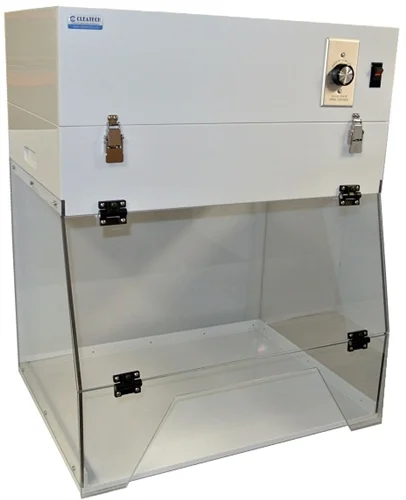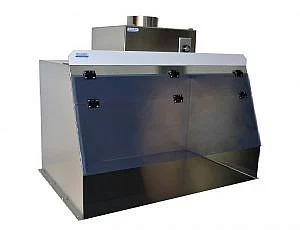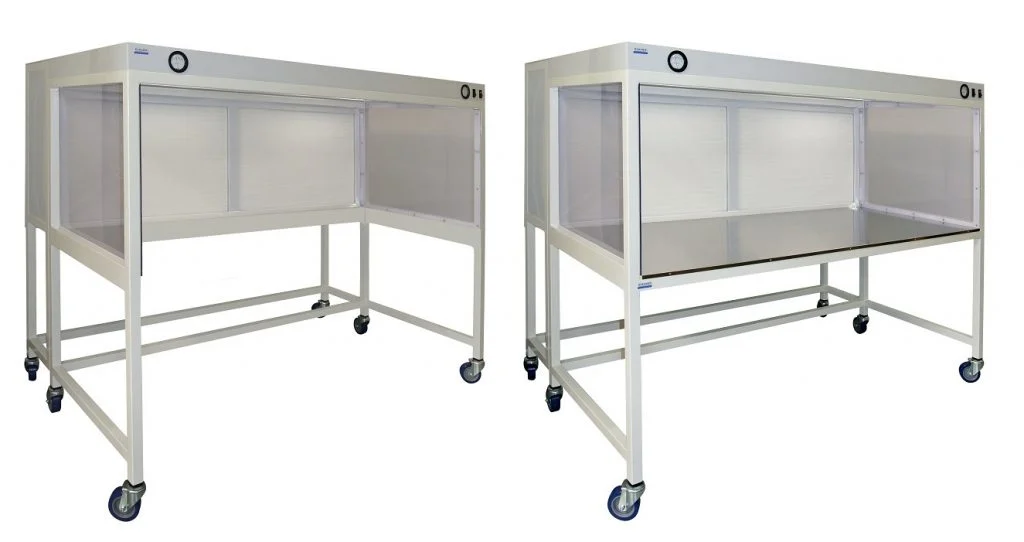


When you work with sensitive electronics, you know that moisture is one of your biggest enemies. Even a small amount of humidity can cause corrosion, oxidation, delamination, and costly component failures. If you assemble, store, or test PCBs, semiconductors, or precision instruments, you cannot afford uncontrolled environmental exposure. That is why you should seriously consider investing in a Nitrogen Desiccator Cabinet for long-term electronics moisture protection.
A nitrogen desiccator cabinet is not just storage furniture. It is an active protection system that safeguards your high-value components and ensures long-term reliability.
Why Moisture Is a Hidden Threat to Electronics
You may not see moisture damage immediately, but it builds over time. High humidity can:
- Cause oxidation on metal contacts
- Reduce solderability of components
- Lead to popcorning during reflow
- Promote corrosion on circuit boards
- Damage sensitive optical and semiconductor parts
If you store components in a typical cabinet or open shelf, you risk exposing them to fluctuating ambient humidity levels. Even air-conditioned spaces can exceed recommended RH limits for sensitive electronics.
When you invest in a nitrogen desiccator cabinet, you take control of that environment.
What Makes a Nitrogen Desiccator Cabinet Different?
Unlike standard desiccators that rely solely on silica gel or passive drying agents, a nitrogen desiccator cabinet uses dry nitrogen gas to purge oxygen and moisture from the enclosure. This creates a low-humidity, low-oxygen atmosphere ideal for electronics storage.
By maintaining ultra-low relative humidity levels, you:
- Extend component shelf life
- Protect moisture-sensitive devices (MSDs)
- Minimize oxidation risks
- Maintain compliance with IPC and JEDEC standards
You are not just storing components. You are preserving performance, reliability, and compliance.
How This Investment Saves You Money
You might initially see a nitrogen cabinet as an added expense. However, the real cost lies in damaged components, production delays, and failed quality inspections.
Here’s how you benefit financially:
Reduced Scrap and Rework
Moisture-damaged components often require re-baking or replacement. With proper storage, you reduce waste and labor costs.
Improved Production Efficiency
When your components are consistently dry and ready for assembly, you avoid unexpected downtime caused by moisture-related failures.
Protection of High-Value Inventory
If you store expensive semiconductors, sensors, or optical modules, humidity damage can mean thousands of dollars in losses. Controlled storage minimizes that risk.
Compliance and Audit Readiness
If your facility follows strict quality standards, controlled storage strengthens your audit documentation and demonstrates proactive environmental control.
Ideal Applications for Electronics
You should consider a nitrogen desiccator cabinet if you handle:
- Surface-mount devices (SMDs)
- Integrated circuits and microchips
- Printed circuit boards (PCBs)
- LEDs and optical components
- Aerospace or defense electronics
- Medical electronic devices
In each of these cases, moisture control directly affects performance and reliability.
Why Nitrogen Is Superior to Passive Dry Storage
Passive desiccator cabinets rely on absorbent materials that require frequent replacement and monitoring. If neglected, they lose effectiveness.
Nitrogen-based systems provide:
- Continuous low-humidity control
- Reduced oxygen exposure
- Stable internal environment
- Less maintenance compared to desiccant replacement
This consistent performance ensures that your electronics remain protected even during long-term storage.
Key Features You Should Look For
When choosing a nitrogen desiccator cabinet, focus on features that enhance reliability and usability:
- Airtight construction
- Adjustable nitrogen flow control
- Humidity monitoring systems
- ESD-safe materials
- Durable, cleanroom-compatible design
- Multiple shelving configurations
If you want high-performance cabinets built for demanding environments, explore solutions from CleaTech LLC cleanroom and controlled environment equipment manufacturer. Their cabinets are engineered to meet the strict needs of electronics manufacturing and research facilities.
How to Integrate a Nitrogen Cabinet Into Your Workflow
You can maximize your return on investment by implementing a structured storage protocol:
- Label moisture-sensitive components clearly.
- Transfer components into the cabinet immediately after receipt.
- Monitor relative humidity levels regularly.
- Document storage conditions for quality assurance.
- Train staff on proper cabinet usage and nitrogen flow settings.
By creating consistent handling procedures, you prevent accidental exposure and protect your inventory long-term.
Long-Term Reliability Starts with Proper Storage
Electronics failures often trace back to environmental exposure before assembly. By investing in controlled storage, you reduce the likelihood of field failures, warranty claims, and reputational damage.
If you serve industries like aerospace, medical devices, or defense, reliability is not optional. Your clients expect consistent performance. A nitrogen desiccator cabinet helps you deliver that standard.
Why Work with a Trusted Manufacturer
Choosing the right supplier is just as important as choosing the right equipment. You need cabinets designed for durability, precision control, and compatibility with cleanroom operations.
When you partner with an experienced manufacturer, you gain access to:
- Custom sizing options
- Engineering support
- Reliable nitrogen control systems
- Long-term service and support
If you are ready to upgrade your moisture control strategy, contact for customized nitrogen desiccator cabinet solutions and discuss your specific electronics storage requirements.
FAQs About Nitrogen Desiccator Cabinets for Electronics
What humidity level should I maintain for electronics storage?
Most moisture-sensitive electronics require storage below 5% RH, though some critical components may require even lower levels. A nitrogen desiccator cabinet helps you maintain consistent ultra-low humidity.
Is a nitrogen desiccator cabinet better than a regular desiccator cabinet?
Yes. Nitrogen cabinets actively purge moisture and oxygen, offering more stable and reliable environmental control compared to passive desiccant-based cabinets.
Can nitrogen storage prevent oxidation?
Yes. By reducing oxygen levels inside the cabinet, nitrogen significantly minimizes oxidation and corrosion on metal contacts and sensitive components.
Do nitrogen desiccator cabinets require high maintenance?
No. They generally require minimal maintenance compared to desiccant systems. Routine checks of nitrogen supply and humidity monitoring are usually sufficient.
Are nitrogen desiccator cabinets suitable for cleanroom environments?
Yes. High-quality cabinets are designed for cleanroom compatibility and can be integrated into controlled manufacturing spaces.