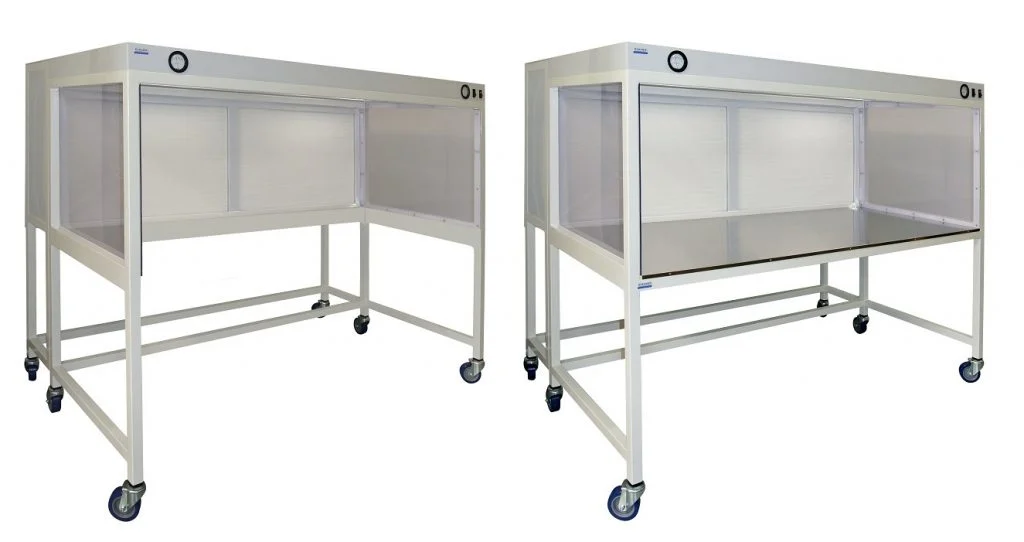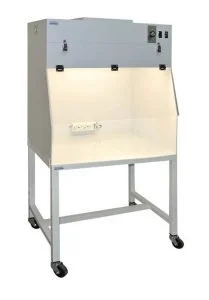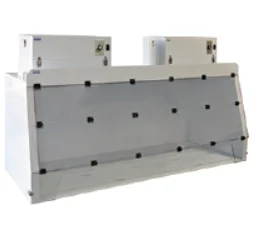

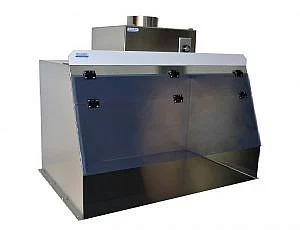
When you work with aggressive chemicals, maintaining a safe and reliable laboratory environment is essential. Your fume hood must withstand chemical exposure, daily operation, and demanding laboratory conditions without losing performance. Stainless steel fume hoods are designed to provide excellent durability because of their corrosion resistance, strong construction, and ability to handle challenging chemical environments. Choosing the right equipment helps you protect personnel, samples, and laboratory infrastructure while improving long-term operational efficiency.
Why Do Stainless Steel Fume Hoods Handle Chemical Exposure Better?
Stainless steel is widely used in laboratory environments because it offers superior resistance against many corrosive substances. Unlike materials that may degrade quickly when exposed to acids, solvents, or chemical vapors, stainless steel maintains its structural strength and surface integrity.
When you use a stainless steel fume hood, you benefit from a non-porous surface that prevents chemical absorption and makes contamination control easier. The smooth finish allows you to clean spills quickly, reducing the risk of chemical buildup and surface damage.
High-quality stainless steel grades also contain chromium, which creates a protective oxide layer. This invisible layer helps the material resist corrosion and recover from minor surface damage, making it suitable for laboratories that frequently handle harsh chemicals.
How Does Stainless Steel Construction Improve Laboratory Safety?
Your laboratory safety depends heavily on equipment that can perform consistently under pressure. A stainless steel fume hood provides a durable enclosure that helps contain chemical fumes, vapors, and hazardous particles generated during experiments.
The strong stainless steel structure supports reliable airflow management while protecting the internal workspace from chemical deterioration. When the hood maintains its integrity over time, you reduce the chances of leaks, corrosion-related failures, and unexpected maintenance issues.
For laboratories working with acids, solvents, and reactive chemicals, selecting a stainless steel fume hood for chemical-resistant laboratory applications can improve workplace safety and provide dependable protection.
What Makes Stainless Steel Resistant to Harsh Chemicals?
Several properties allow stainless steel fume hoods to perform effectively in chemically demanding environments:
Corrosion Resistance
The biggest advantage of stainless steel is its ability to resist corrosion. Chemical fumes and accidental spills can damage ordinary materials, but stainless steel offers better protection against oxidation and chemical reactions.
This resistance is especially valuable in laboratories where exposure to moisture, acids, and chemical vapors occurs regularly.
Easy-to-Clean Surface
Laboratory cleanliness plays an important role in preventing contamination. Stainless steel surfaces are smooth and non-absorbent, allowing you to remove chemical residues efficiently.
A simple cleaning routine helps maintain the appearance, hygiene, and performance of your equipment while extending its service life.
High Mechanical Strength
Chemical-resistant performance is not only about preventing corrosion. Your fume hood must also withstand daily laboratory activities. Stainless steel provides excellent strength, allowing the structure to remain stable even in demanding environments.
This makes stainless steel an ideal choice for research facilities, industrial laboratories, pharmaceutical applications, and testing environments.
How Can Stainless Steel Fume Hoods Support Different Laboratory Applications?
Different laboratories handle different chemical challenges. Whether you are performing research, quality testing, or industrial processing, your fume hood should match your operational requirements.
Stainless steel fume hoods are commonly used in:
- Chemical research laboratories
- Pharmaceutical testing facilities
- Educational laboratories
- Industrial quality control environments
- Biotechnology and analytical labs
- Manufacturing research areas
When selecting equipment, consider chemical compatibility, ventilation requirements, workspace dimensions, and the type of substances you handle.
How Does Proper Maintenance Improve Chemical Resistance?
Even the most durable equipment requires regular care. Proper maintenance ensures your stainless steel fume hood continues to provide reliable protection.
You should regularly inspect surfaces for chemical residue, clean spills immediately, and follow manufacturer maintenance recommendations. Avoid using cleaning products that may damage stainless steel finishes.
Routine airflow testing is also important because effective ventilation helps remove hazardous vapors and maintains a safer working environment.
By combining durable construction with proper maintenance, you can maximize the lifespan and performance of your laboratory equipment.
Why Choose CleaTech LLC for Stainless Steel Laboratory Solutions?
Selecting the right supplier helps you access reliable equipment designed for demanding laboratory environments. CleaTech LLC provides laboratory solutions designed to support safety, durability, and performance across various industries.
CleaTech LLC offers high-quality laboratory equipment that helps you create controlled and efficient workspaces. Their stainless steel solutions are designed for professionals who need dependable protection against chemical exposure.
If you need guidance selecting the right equipment for your application, you can Contact us today to discuss your laboratory requirements.
How to Choose the Right Stainless Steel Fume Hood?
Before investing in a fume hood, evaluate your laboratory needs carefully. Consider:
- The types of chemicals you use
- Required ventilation capacity
- Workspace size requirements
- Frequency of chemical handling
- Cleaning and maintenance expectations
- Safety standards for your industry
A properly selected fume hood provides better protection, improved workflow, and long-term value.
For laboratories requiring strong chemical resistance and dependable performance, a stainless steel fume hood for laboratories handling corrosive chemicals can be a practical solution. You can explore a suitable option through this stainless steel fume hood designed for chemical safety and laboratory ventilation from CleaTech LLC.
Frequently Asked Questions
Why are stainless steel fume hoods resistant to harsh chemicals?
Stainless steel fume hoods resist harsh chemicals because stainless steel has corrosion-resistant properties, a protective chromium oxide layer, and a non-porous surface that reduces chemical absorption and damage.
Can stainless steel fume hoods handle acid exposure?
Yes, stainless steel fume hoods can handle many chemical applications involving acids. However, chemical compatibility should always be evaluated based on the specific acids and concentrations used.
How long do stainless steel fume hoods last?
With proper maintenance, cleaning, and regular inspections, stainless steel fume hoods can provide reliable laboratory protection for many years.
Are stainless steel fume hoods easy to maintain?
Yes. Their smooth surfaces make cleaning easier and help prevent chemical residue buildup, supporting better hygiene and equipment performance.
What industries use stainless steel fume hoods?
Stainless steel fume hoods are used in research, pharmaceutical, biotechnology, industrial testing, education, and manufacturing laboratories where chemical safety is important.