
When you work with volatile, irritating, or hazardous chemicals, you need effective protection against airborne contaminants. A ductless fume hood can provide localized containment while filtering contaminated air before returning it to the laboratory. However, you should not select a hood based only on size or appearance. The filter technology, chemical compatibility, airflow, and intended application must match the hazards you handle.
Identify the Chemical Hazards First
Start by making a complete list of the chemicals you expect to use inside the hood. Note their names, concentrations, quantities, volatility, toxicity, and potential reactions. You should also consider whether your work produces vapors, fumes, aerosols, or particulates.
Different chemical hazards require different filtration approaches. Activated carbon filters are commonly used for many organic vapors, while specialized filter media may be required for acids, ammonia, formaldehyde, or other specific contaminants. You should never assume that one filter will safely handle every chemical.
Check the chemical manufacturer’s safety data sheet (SDS) for information about exposure hazards, incompatibilities, and recommended controls. If you work with mixtures, evaluate every significant component rather than focusing only on the primary chemical.
Match the Filter to Your Application
The filter is one of the most important components when choosing a ductless hood. Your filtration system should be selected according to the contaminants your process generates.
For example, activated carbon may be appropriate for certain solvent vapors, but it is not universally suitable for corrosive gases or every toxic substance. HEPA filtration is designed primarily for particulates and aerosols rather than general chemical vapor removal.
You should also consider filter capacity and service life. A filter can become saturated as it captures contaminants, reducing its effectiveness. Your operating conditions, chemical concentration, usage frequency, and contaminant load can all influence replacement intervals.
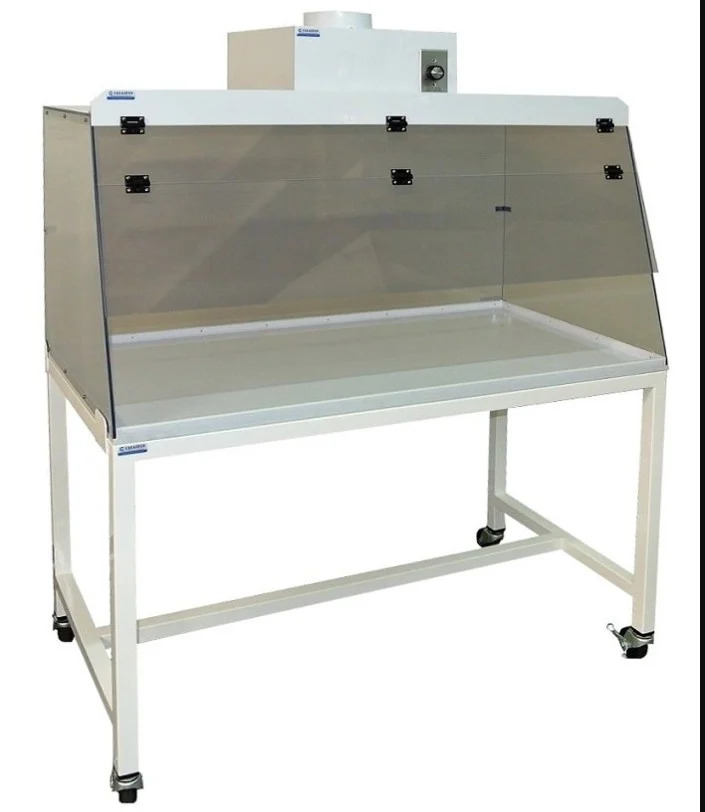
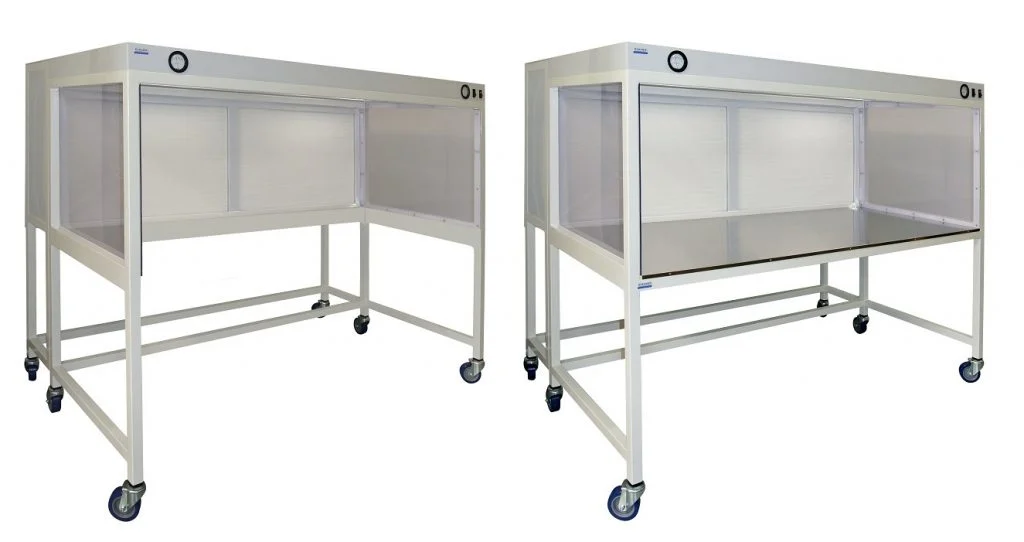
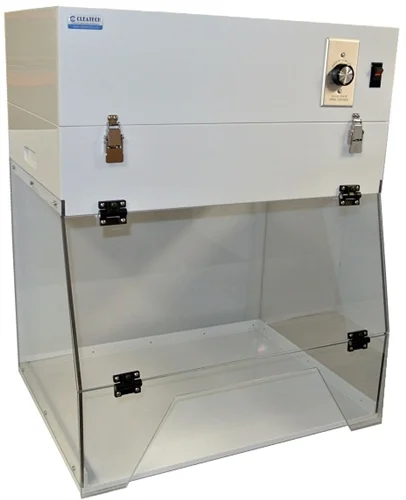
When evaluating ductless fume hoods for chemical vapor containment and laboratory filtration, review the manufacturer’s recommended filter types and compatible chemical applications before purchasing.
Consider Airflow and Containment
Proper airflow helps keep contaminants contained within the work area. Look for a ductless hood designed to maintain the airflow conditions required for your application.
You should consider the hood’s working width, depth, sash configuration, and airflow design. A hood that is too small may restrict your work, while an unnecessarily large enclosure can occupy valuable laboratory space.
Keep your work positioned well inside the hood rather than directly at the front opening. Avoid blocking airflow with excessive equipment, containers, or supplies. Good laboratory practices work together with the hood’s engineering controls to improve containment.
You should also understand that a ductless hood is not automatically suitable for every chemical process. Highly hazardous, highly volatile, radioactive, explosive, or otherwise unsuitable substances may require a different engineering control, such as a properly exhausted ducted fume hood or specialized containment system.
Evaluate Chemical Compatibility and Construction
The hood’s interior materials should withstand the chemicals used during your work. Consider resistance to solvents, acids, bases, and other substances that could contact the work surface or internal components.
You should also inspect the work surface, liner materials, sash, seals, lighting, and other components. Smooth, durable surfaces can make routine cleaning easier and reduce areas where residues can accumulate.
Think about how you will use the hood every day. If your process involves frequent transfers, sample preparation, weighing, or small-scale chemical handling, choose a configuration that gives you adequate working space without encouraging clutter.
For a broader range of laboratory equipment and containment solutions, you can explore Global Lab Supply laboratory safety and equipment solutions.
Plan for Maintenance and Safe Operation
Selecting the right hood is only the beginning. You should establish a maintenance schedule based on the manufacturer’s recommendations and your actual chemical usage.
Monitor filter condition and replace filters according to validated service requirements. Do not wait until you notice strong chemical odors as a substitute for proper filter monitoring. Some hazardous contaminants may not have a reliable odor warning.
Keep the hood clean and avoid storing unnecessary chemicals inside it. Train users to understand the hood’s operating limits, appropriate chemical applications, airflow requirements, and emergency procedures.
Before purchasing, ask whether the hood has been evaluated for the specific chemicals and quantities used in your process. If you are uncertain about compatibility or filtration requirements, contact us today for guidance on selecting the right laboratory fume hood solution.
Make Your Selection Based on Risk
A good ductless fume hood selection starts with the hazard, not the product. Identify the chemicals, determine the contaminants they can generate, match the filtration system, verify material compatibility, and consider how frequently the hood will be used.
You should also review applicable laboratory safety requirements and consult qualified safety professionals when working with particularly hazardous substances. Choosing containment based on your actual process helps you avoid unsuitable filtration and supports safer laboratory operations.
Frequently Asked Questions
What are ductless fume hoods used for?
Ductless fume hoods provide localized containment while using filtration to capture certain airborne contaminants. They can be useful for compatible chemical applications where the filtration system is appropriate for the specific hazards.
Are ductless fume hoods suitable for all chemicals?
No. Their suitability depends on the chemical, concentration, quantity, volatility, and filtration system. You should verify chemical compatibility and filter performance before using a ductless hood.
Which filter is used in a ductless fume hood?
Filter selection depends on the contaminant. Activated carbon is commonly used for certain chemical vapors, while HEPA filters target particulates and aerosols. Specialized applications may require other filtration media.
How often should ductless fume hood filters be replaced?
Replacement depends on the filter type, chemical load, usage frequency, and manufacturer’s specifications. You should follow an established monitoring and replacement program rather than relying on odor detection.
When should you choose a ducted fume hood instead?
A ducted system may be more appropriate when your process involves chemicals or hazards that cannot be safely managed through the available ductless filtration system. Always evaluate the specific risk before selecting containment equipment.