
Maintaining consistent airflow is essential when you work with sensitive materials, sterile processes, and contamination-controlled applications. A horizontal laminar flow hood depends on a smooth, uninterrupted stream of filtered air to protect your products and maintain a clean working environment. Even small airflow disruptions can increase contamination risks, reduce efficiency, and affect the reliability of your operations.
By following proper installation practices, performing regular maintenance, and using correct operating techniques, you can prevent airflow problems and ensure your equipment performs effectively. Whether you are working in research laboratories, electronics manufacturing, pharmaceuticals, or other precision industries, understanding airflow control helps you achieve better process protection.
Understand How Airflow Works in a Horizontal Laminar Flow Hood
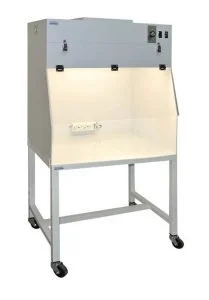
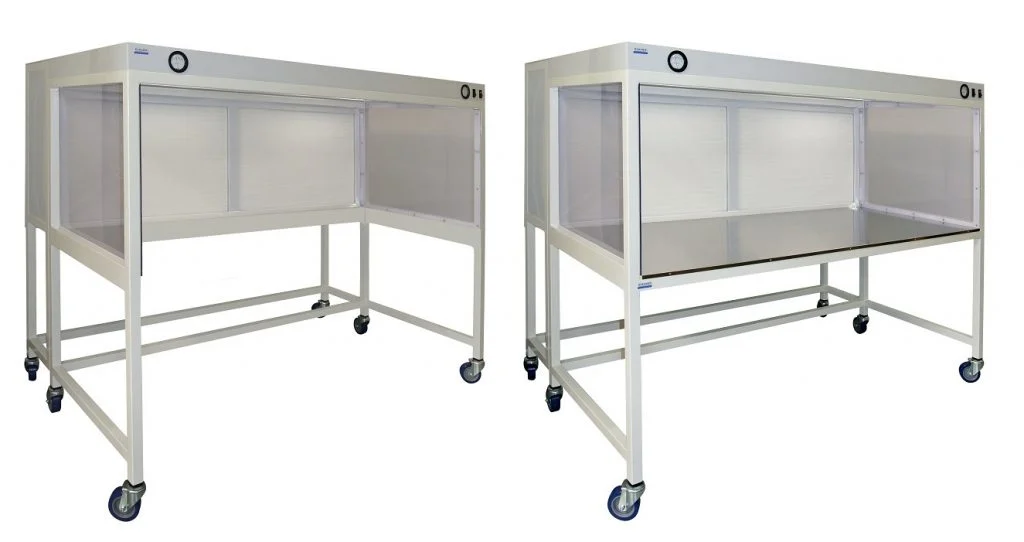
A horizontal laminar flow hood operates by pushing clean, HEPA-filtered air horizontally across the workspace toward the operator. This continuous airflow removes airborne particles and creates a controlled environment for sensitive procedures.
When airflow becomes unstable, contaminants may enter the workspace and compromise your processes. Common causes include blocked filters, improper placement of materials, damaged components, or environmental disturbances around the hood.
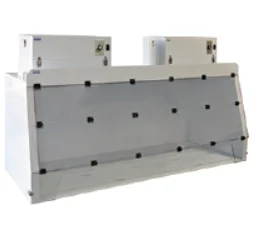
Choosing a properly designed high-performance horizontal laminar flow hood for contamination control applications helps you maintain consistent airflow and improve workplace reliability.
Keep HEPA Filters Clean and Properly Maintained
HEPA filters are one of the most important components responsible for maintaining clean airflow. Over time, filters collect airborne particles, which can restrict air movement and reduce airflow velocity.
To prevent disruptions:
- Schedule regular filter inspections.
- Replace filters according to manufacturer recommendations.
- Monitor airflow performance after filter replacement.
- Avoid operating the hood with damaged or overloaded filters.
A clogged filter forces the blower system to work harder, which may lead to uneven airflow distribution and reduced protection.
Avoid Blocking the Airflow Path
One of the most common causes of airflow disruption is improper placement of materials inside the workspace. Items that block the airflow path can create turbulence and dead zones where contaminants may accumulate.
Follow these practices:
- Keep materials away from the front and rear airflow areas.
- Arrange equipment neatly inside the working zone.
- Avoid overcrowding the workspace.
- Place larger objects carefully to prevent air obstruction.
A well-organized workspace allows clean air to move smoothly across your materials and reduces contamination risks.
Position the Hood in the Right Location
The surrounding environment directly affects airflow stability. Installing your hood near doors, vents, fans, or high-traffic areas can introduce air disturbances that interfere with laminar airflow.
For better performance:
- Place the unit away from strong air currents.
- Avoid locations with frequent movement.
- Maintain adequate clearance around the equipment.
- Consider nearby HVAC airflow patterns before installation.
A stable environment helps your hood maintain consistent air velocity and protects your critical processes.
Perform Regular Airflow Testing
Routine airflow testing helps identify potential problems before they affect your operations. Monitoring airflow velocity, filter performance, and system conditions allows you to take preventive action.
Important checks include:
- Air velocity measurements.
- HEPA filter integrity testing.
- Blower performance evaluation.
- Particle contamination monitoring.
Regular testing ensures your equipment continues operating within required performance standards.
Maintain Proper Operating Practices
Even a well-maintained system can experience airflow issues if users do not follow proper procedures. Operator habits play an important role in maintaining airflow stability.
You should:
- Minimize unnecessary movement near the hood.
- Avoid placing hands or tools in a way that blocks airflow.
- Keep the workspace clean before and after use.
- Follow standard operating procedures.
Training users on correct handling techniques reduces accidental airflow disruptions and improves overall equipment performance.
Check Blower and Mechanical Components
The blower system controls air movement through the hood. Mechanical issues such as motor wear, unusual noise, or reduced airflow can indicate developing problems.
Regular inspections should include:
- Checking blower operation.
- Inspecting electrical connections.
- Identifying unusual vibrations.
- Reviewing airflow performance records.
Early detection of mechanical issues prevents unexpected downtime and protects your controlled environment.
Choose Reliable Equipment for Long-Term Performance
Selecting the right equipment is a key step in preventing airflow challenges. A quality system provides better airflow consistency, durability, and easier maintenance.
CleaTech LLC provides advanced cleanroom and laboratory solutions designed for demanding controlled environments. You can explore reliable solutions from CleaTech LLC for laboratory airflow and contamination control equipment to support your precision applications.
If you need assistance selecting the right system or understanding airflow requirements, you can Contact us today for expert guidance on cleanroom and laboratory solutions.
Conclusion
Preventing airflow disruptions in a horizontal laminar flow hood requires proper maintenance, correct installation, careful operation, and regular performance monitoring. By keeping filters clean, avoiding airflow blockages, controlling the surrounding environment, and following best practices, you can maintain a stable and contamination-controlled workspace.
Consistent airflow performance improves product protection, increases operational efficiency, and supports reliable results in sensitive applications. Investing time in preventive care ensures your horizontal laminar flow hood continues delivering dependable performance for years.
Frequently Asked Questions
What causes airflow disruption in a horizontal laminar flow hood?
Airflow disruption can occur due to clogged filters, blocked airflow paths, poor installation locations, excessive movement near the unit, or mechanical issues with the blower system.
How often should I test airflow performance?
Airflow performance should be tested regularly based on usage, application requirements, and manufacturer recommendations to ensure consistent operation and contamination control.
Can overcrowding affect horizontal laminar flow hood performance?
Yes. Too many items inside the workspace can block airflow and create turbulence, reducing the effectiveness of the clean air environment.
Why is HEPA filter maintenance important?
HEPA filters remove airborne particles from the air supply. Proper maintenance ensures efficient filtration and helps maintain stable airflow conditions.
Where should I install a horizontal laminar flow hood?
Install it in a low-traffic area away from doors, vents, fans, and other sources of air movement that can disturb airflow patterns.