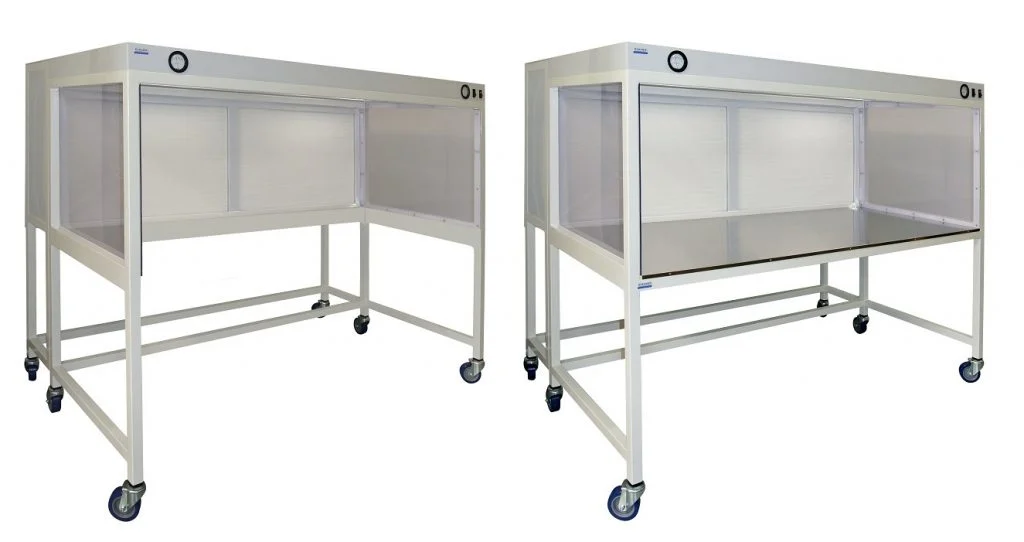

Modern laboratories handle a wide range of chemicals, solvents, powders, and fumes every day. Whether you work in pharmaceuticals, biotechnology, electronics, research, or educational facilities, maintaining a safe and controlled workspace is one of your top responsibilities. That is why benchtop fume hoods have become an essential part of modern laboratory operations.
A benchtop fume hood helps you protect personnel, equipment, and samples from harmful airborne contaminants. It creates a controlled airflow environment that captures hazardous fumes and prevents them from spreading throughout the lab. As laboratory safety standards continue to evolve, choosing the right fume hood is no longer optional—it is critical for operational efficiency and compliance.
Improve Laboratory Safety and Air Quality
One of the biggest reasons you need a benchtop fume hood is to improve laboratory safety. Many chemicals release toxic vapors during mixing, heating, or testing processes. Without proper ventilation, these contaminants can accumulate in the workspace and create health hazards for lab personnel.
When you use advanced portable benchtop fume hoods for laboratory chemical handling, you reduce exposure to dangerous fumes and airborne particles. The filtration and airflow systems continuously remove contaminants, helping you maintain cleaner indoor air quality.
This protection is especially important in environments where researchers regularly work with acids, solvents, formaldehyde, or volatile organic compounds.
Enhance Productivity in Modern Labs
Safety is not the only benefit. A well-designed benchtop fume hood also helps you work more efficiently. Modern labs often have limited space, and large ventilation systems may not fit your layout. Benchtop models provide compact protection while maximizing available workspace.
You can easily place these systems on existing laboratory benches without major facility modifications. Their flexible design allows you to adapt workstations based on changing research requirements.
In fast-paced laboratories, portability and convenience matter. Compact fume hoods support quick setup, efficient workflow organization, and better space management.
Support Compliance With Safety Standards
Laboratories must follow strict safety regulations to protect workers and maintain certifications. Regulatory agencies often require proper ventilation systems when hazardous chemicals are present.
Using high-quality benchtop fume hoods helps you align your facility with industry safety guidelines and best practices. Proper airflow management reduces workplace risks and demonstrates your commitment to employee safety.
Investing in reliable laboratory safety equipment can also reduce downtime caused by safety incidents or environmental concerns.
Protect Sensitive Experiments
Many laboratory procedures require contamination-free conditions. External particles or unstable airflow can compromise sensitive experiments, leading to inaccurate results or damaged samples.
Benchtop fume hoods create controlled environments that help you maintain consistent testing conditions. By reducing airborne contamination, you improve experimental reliability and product quality.
This is especially valuable in semiconductor labs, pharmaceutical testing facilities, and cleanroom applications where precision is critical.
Reduce Installation Costs and Complexity
Traditional ducted ventilation systems often require expensive building modifications and complicated installation procedures. In contrast, benchtop fume hoods offer a more practical and cost-effective solution for many laboratories.
Portable and ductless systems minimize installation challenges while still delivering effective containment performance. You can integrate them into your current setup without extensive renovation work.
For growing labs or temporary research facilities, this flexibility provides long-term operational advantages.
Adapt to Different Laboratory Applications
Modern laboratories perform a wide variety of tasks, and your equipment must adapt to changing workflows. Benchtop fume hoods are versatile enough to support multiple applications, including:
- Chemical handling
- Sample preparation
- Powder weighing
- Electronics assembly
- Pharmaceutical testing
- Biological research
- Educational lab demonstrations
Because of their compact footprint, these systems fit well in research institutions, universities, manufacturing labs, and industrial testing facilities.
Increase Energy Efficiency
Energy efficiency has become an important consideration for laboratory managers. Large HVAC systems can significantly increase operational costs. Many modern benchtop fume hoods are designed with energy-saving airflow systems and advanced filtration technology.
Ductless models, in particular, help reduce energy consumption by filtering and recirculating clean air instead of continuously exhausting conditioned air from the building.
Lower energy usage helps you reduce operating expenses while supporting sustainable laboratory practices.
Choose Reliable Laboratory Equipment
Not all fume hoods deliver the same level of performance. You should always choose equipment designed for durability, safety, and long-term reliability.
CleaTech LLC offers high-quality laboratory containment solutions designed to meet the demands of modern research environments. Their benchtop fume hoods combine efficient airflow control, durable construction, and flexible configurations to support various laboratory applications.
Selecting trusted laboratory equipment helps you improve workplace safety while maintaining productivity and compliance.
Maintenance and Long-Term Performance
Regular maintenance is essential for keeping your fume hood operating efficiently. You should inspect filters, airflow systems, and working surfaces routinely to ensure optimal performance.
Simple maintenance practices include:
- Replacing filters as recommended
- Cleaning work surfaces regularly
- Monitoring airflow indicators
- Avoiding overcrowded workspaces inside the hood
- Performing periodic safety inspections
Proper maintenance extends equipment lifespan and helps you maintain consistent laboratory safety standards.
Why Benchtop Fume Hoods Matter More Than Ever
Laboratories today face increasing pressure to improve safety, efficiency, and compliance while managing operational costs. Benchtop fume hoods provide a practical solution that supports all of these goals.
By using compact and efficient ventilation systems, you create safer working environments, protect valuable research, and optimize laboratory workflows. Whether you operate a research facility, educational lab, or industrial testing environment, investing in quality fume hood systems helps you maintain professional standards and long-term reliability.
If you want dependable laboratory containment solutions tailored to your application, contact us today for customized benchtop fume hood solutions and expert guidance.
Frequently Asked Questions
What is a benchtop fume hood?
A benchtop fume hood is a compact laboratory ventilation system designed to capture and filter hazardous fumes, vapors, and airborne particles generated during laboratory procedures.
Why are benchtop fume hoods important in laboratories?
They help protect lab personnel from chemical exposure, improve indoor air quality, maintain compliance with safety regulations, and support contamination-free experiments.
What industries use benchtop fume hoods?
Benchtop fume hoods are commonly used in pharmaceutical labs, biotechnology facilities, semiconductor manufacturing, educational institutions, chemical research centers, and industrial testing labs.
Are ductless benchtop fume hoods energy efficient?
Yes. Many ductless models use advanced filtration systems that recirculate clean air, helping reduce energy consumption compared to traditional ducted systems.
How often should you maintain a benchtop fume hood?
You should inspect and maintain the system regularly based on manufacturer recommendations. Routine filter replacement and airflow checks help ensure safe and efficient operation.
Can benchtop fume hoods fit in small laboratories?
Yes. Their compact design makes them ideal for laboratories with limited space while still providing effective airflow control and worker protection.