

When you work in a laboratory that handles large amounts of chemicals, vapor control becomes one of your top safety priorities. Many chemical reactions release strong fumes, volatile organic compounds, and hazardous vapors that can quickly accumulate in the air. Without proper containment and ventilation, these substances can compromise air quality, threaten worker safety, and disrupt laboratory operations.
This is where a ducted fume hood becomes an essential piece of laboratory equipment. Designed to capture and remove airborne contaminants, it helps you maintain a safe working environment even when dealing with high volumes of chemical vapors.
In this guide, you will learn how ducted fume hoods work, why they are effective for high-volume vapor control, and how they support safe laboratory operations.
Understanding High-Volume Chemical Vapors in Laboratories
When you perform experiments involving acids, solvents, reagents, or volatile compounds, chemical vapors are often produced as a byproduct. These vapors can spread rapidly in enclosed environments.
If you frequently work with:
- Organic solvents
- Acid digestion processes
- Chemical synthesis reactions
- Heating and evaporation procedures
- Large-scale chemical transfers
you may generate significant volumes of airborne contaminants.
Without proper ventilation systems, these vapors may lead to:
- Respiratory exposure risks
- Chemical odors spreading through the facility
- Contamination of nearby experiments
- Long-term health hazards for lab personnel
To prevent these issues, laboratories rely on specialized ventilation systems that actively remove contaminants from the workspace.
How a Ducted Fume Hood Works
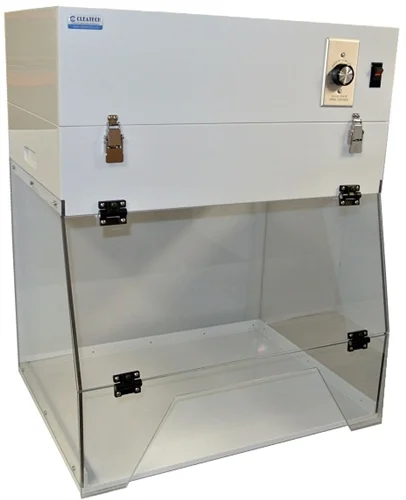
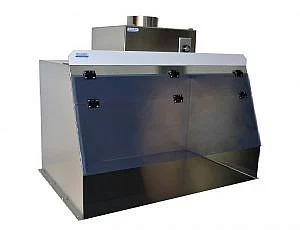
A ducted fume hood operates by drawing contaminated air away from your work area and exhausting it safely outside the building through a duct system.
When you conduct experiments inside the hood:
- Air enters through the front sash opening.
- The airflow captures vapors, fumes, and particles.
- Contaminated air travels through internal ducts.
- The building’s exhaust system releases it outdoors.
This continuous airflow prevents hazardous vapors from escaping into the laboratory.
Unlike recirculating systems, ducted fume hoods remove contaminants entirely instead of filtering and returning air to the room. This makes them ideal for handling large volumes of aggressive chemical vapors.
Efficient Containment for High Vapor Loads
When you work with chemicals that generate intense fumes, you need equipment capable of handling heavy vapor production.
You can improve laboratory safety by installing a high-clearance ducted fume hood for high-volume chemical vapor control that efficiently captures and removes contaminants during demanding experiments.
Ducted fume hoods are designed with strong airflow systems that maintain consistent face velocity. This airflow pulls vapors away from you and keeps them contained within the hood chamber.
Even when reactions produce dense fumes, the hood continues directing them toward the exhaust system.
Powerful Ventilation Through External Exhaust Systems
One of the main reasons ducted fume hoods handle high vapor loads effectively is their connection to external exhaust systems.
Instead of relying only on internal filtration, the system channels contaminated air through building ducts connected to powerful exhaust fans.
This process offers several benefits:
- Rapid removal of high concentrations of vapors
- Continuous airflow during intensive experiments
- Reduced buildup of hazardous chemicals in the workspace
- Improved laboratory air quality
When you work with corrosive or highly volatile chemicals, this level of ventilation becomes critical for maintaining safety standards.
Larger Interior Workspace for Complex Experiments
High-volume chemical processes often require larger equipment such as heating mantles, reactors, distillation units, or analytical instruments.
Ducted fume hoods typically provide:
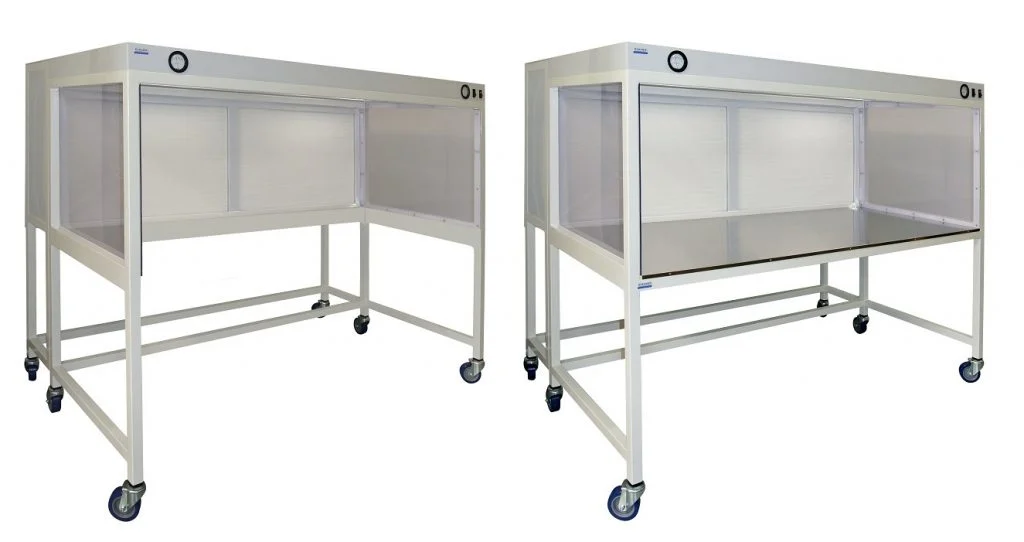
- Spacious work surfaces
- High clearance interiors
- Adjustable sash openings
This extra space allows you to safely perform large-scale experiments while keeping vapors contained.
The hood’s design ensures that airflow remains balanced even when multiple pieces of equipment are operating inside the workspace.
Continuous Airflow Improves Laboratory Safety
A major advantage of ducted fume hoods is the consistent airflow they maintain throughout the experiment.
As long as the ventilation system is active, vapors are continuously pulled away from the laboratory environment.
This helps you:
- Minimize exposure to hazardous chemicals
- Maintain safe working conditions
- Prevent accumulation of toxic gases
- Protect sensitive laboratory instruments
By maintaining steady airflow, ducted fume hoods provide reliable protection even during long experimental procedures.
Supporting Regulatory Compliance in Laboratories
Many laboratories must follow strict safety standards related to chemical exposure and ventilation.
Ducted fume hoods help you meet these requirements by providing controlled airflow and proper vapor removal.
Laboratory safety guidelines often recommend ducted systems when working with:
- Toxic chemicals
- Strong acids and bases
- Volatile organic compounds
- High-temperature reactions
Working with trusted manufacturers like CleaTech LLC laboratory contamination control equipment specialists ensures your facility receives high-quality fume hoods designed for professional laboratory environments.
Best Practices for Using a Ducted Fume Hood
To maximize the performance of your ducted fume hood, you should follow a few important safety practices:
Keep the Sash at the Recommended Height
Lower sash positions improve airflow efficiency and containment.
Avoid Blocking Airflow Paths
Place equipment at least several inches away from the hood walls.
Work Inside the Hood Properly
Keep your hands and materials inside the working area to maintain containment.
Maintain Regular Inspections
Routine airflow testing ensures the hood continues operating safely.
Following these practices helps you maintain optimal vapor control during high-volume chemical operations.
Why Ducted Fume Hoods Are Ideal for High-Volume Vapors
When you conduct experiments that release strong chemical fumes, you need a reliable ventilation system that removes contaminants effectively.
Ducted fume hoods provide:
- Strong external exhaust ventilation
- Continuous vapor removal
- Safe containment for hazardous reactions
- Large workspace for complex procedures
- Improved laboratory air quality
If your laboratory regularly handles large amounts of chemicals, investing in a high-quality ducted fume hood is one of the best ways to protect personnel and maintain safe operations.
For expert guidance on selecting the right laboratory ventilation system, contact us today for professional fume hood solutions and support tailored to your laboratory needs.
FAQ: Ducted Fume Hood and Chemical Vapor Control
What is a ducted fume hood used for?
A ducted fume hood is used to capture and remove hazardous chemical vapors, fumes, and particles from laboratory workspaces. It protects researchers by exhausting contaminated air outside the building.
Why are ducted fume hoods better for high-volume chemical vapors?
Ducted fume hoods connect to external exhaust systems that remove large quantities of chemical vapors quickly. This makes them ideal for laboratories handling strong fumes and volatile chemicals.
How does airflow work in a ducted fume hood?
Air enters through the hood opening, captures chemical vapors inside the chamber, and travels through ductwork connected to exhaust fans that release the air outside the building.
Can ducted fume hoods handle toxic chemicals?
Yes. Ducted fume hoods are specifically designed for laboratories working with toxic, corrosive, or volatile chemicals because they completely remove contaminated air from the workspace.
How often should a ducted fume hood be inspected?
Most laboratories perform airflow inspections at least once per year, although frequent testing may be required depending on regulatory standards and laboratory usage.