
When you have just conceived, the first thing on your priority list would be to ensure a healthy and happy pregnancy and childbirth. Getting the right nutrition is vital for the mother and the baby. It helps the baby grow well and does not starve the mother of important nutrients needed for the baby’s development.
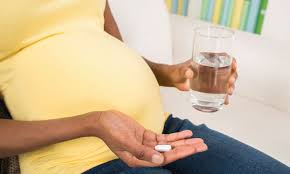
While you cannot ignore the importance of having a balanced diet, prenatal vitamins make sure that you get all that you need. Sometimes, you cannot get all the important vitamins and minerals in adequate quantity just through diet. Prenatal vitamins fill that gap. Here’s all you need to know about prenatal vitamins during pregnancy.
How Do Prenatal Vitamins Help?
If you are trying to conceive, your doctor may recommend some vitamin supplements to prepare your body for a healthy pregnancy and support the baby. These vitamins are recommended because:
- Your body needs more nutrients during pregnancy
- Your diet may lack some critical vitamins and minerals
- They ensure your baby gets the vital nutrition needed for growth
- Some vitamins reduce the risks faced by the fetus during the early stages of pregnancy
- Some essential vitamins help in placenta development
- They also promote adequate blood and oxygen supply to the fetus
Important prenatal vitamins to include in your diet.
Vitamin B12 or Folic Acid
Folic acid is critical for the growth and development of the fetus. Adequate folic acid prevents neural tube defects that can lead to insufficient development of the brain and spine. There is also some evidence to show that folic acid may promote heart health. Foods such as beans, green leafy vegetables and citrus fruits have folic acid, but that may not be enough for a mom-to-be.
Iron
Iron is a major component of hemoglobin, which is essential for transporting oxygen to all parts of your body. A pregnant woman needs more iron to ensure enough oxygen reaches the developing fetus. The fetus uses iron to make blood cells. Seafood, lean meats, leafy greens, nuts, dried fruits, and beans have iron, but during pregnancy, you must ensure that you aren’t falling short of this essential nutrient. So, take prenatal iron supplements.
Calcium
Calcium helps in the bone development of the baby. It also helps in building muscle and nerve cells. If you do not intake sufficient calcium during pregnancy, your body will take it from your bones to meet the needs of the growing baby. This not only impacts your bone health adversely but also limits the calcium supply to your baby. Dairy products, broccoli, kale are good sources of calcium to include in your diet. Alongside, take calcium supplements.
Vitamin D
Besides helping in the development of the skeletal system, nervous system and muscles, Vitamin D helps in developing and maintaining the immune system. It is also important for the baby’s teeth and bones. Include fatty fish in your diet to get vitamin D. However, still have prenatal vitamins to ensure you do not fall short.
Always consult your doctor before adding anything new, including supplements, to your diet. Ensuring you get all the essential nutrients during pregnancy is the best way to take care of your growing baby.