

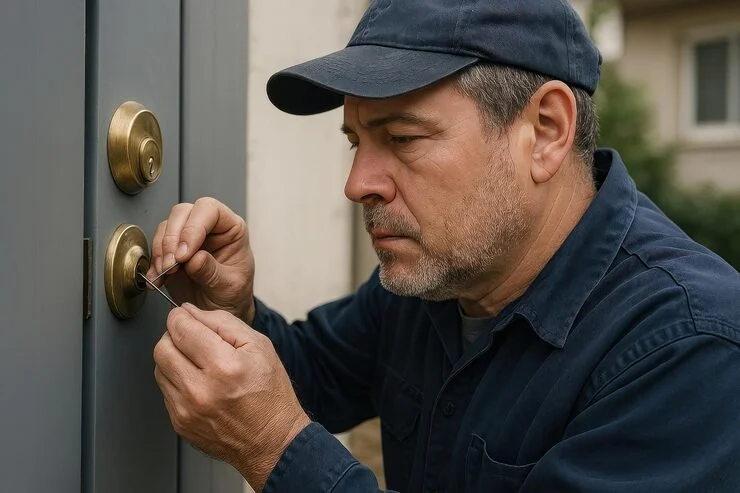
Moving into a new Denver home gives you a fresh start, but your new keys may come with an old security history. Previous homeowners, tenants, contractors, property managers, cleaners, or neighbors may have had access to the property. Even if you receive every key at closing or from your landlord, you cannot always know how many copies were made.
So, should you change your locks after moving to Denver? In most cases, you should at least rekey your locks. If the existing hardware is damaged, outdated, or does not provide the security you need, replacing the locks may be the better choice.
A professional APEX Locksmith Denver service can inspect your doors and help you choose between rekeying, repairing, or replacing the locks.
Why Change Your Locks After Moving?
The main reason is simple: you want control over who can enter your home.
When you move into a property, you inherit more than its walls, doors, and fixtures. You may also inherit uncertainty about its previous key holders. A former occupant could have given a spare key to a family member, friend, contractor, or service provider.
You do not need evidence that someone has an unauthorized key before taking action. Changing or rekeying the locks removes that uncertainty and gives you a known starting point.
This is particularly important when you have purchased a home and plan to stay for years. Securing the property immediately can prevent an avoidable access problem later.
Should You Rekey or Replace the Locks?
You do not necessarily need completely new locks.
Rekeying changes the internal configuration of an existing lock so that the old keys no longer operate it. The hardware remains in place, but you receive new keys. This can be a practical option when your current locks are in good condition and you mainly want to eliminate access from previous key holders.
Replacing the locks means installing new lock hardware. This may make more sense when your existing locks are worn, damaged, outdated, difficult to operate, or unsuitable for your security goals.
If you are unsure which option fits your home, a professional locksmith can evaluate the condition of the locks before recommending a solution.
When Rekeying Makes More Sense
Rekeying can be particularly useful after moving when the locks work properly but you do not know who still has the old keys.
You may also consider rekeying if:
- You moved into a previously occupied home.
- You received only some of the original keys.
- You believe copies may have been made.
- You recently ended a roommate arrangement.
- You want all compatible locks controlled by a new key.
- You want to improve access control without replacing functional hardware.
For many homeowners, this provides a straightforward way to establish control over existing locks.
If you want professional assistance, APEX Locksmith Denver provides residential lock rekeying solutions designed to help homeowners secure their properties after a move.
When You Should Replace the Locks
Rekeying is not always enough. If the lock itself has a problem, changing the key does not address the underlying weakness.
Consider replacing your locks when you notice:
- Loose or damaged lock components
- Difficulty turning the key
- A lock that frequently jams
- Visible corrosion or significant wear
- Outdated hardware
- Damage from an attempted break-in
- Locks that do not fit the door properly
- A desire for upgraded security features
Moving is also an opportunity to evaluate whether your exterior doors have adequate deadbolts and whether your current hardware matches the level of protection you want.
A professional lock change and installation service can help you replace damaged or outdated hardware and make sure the new locks are properly fitted.
Do All Doors Need New Locks?
Not necessarily.
Start with the doors that provide direct access to your home. Your front, back, side, garage-entry, and other exterior doors deserve priority. You should also consider doors that connect an attached garage to your living space.
You may not need to replace every interior privacy lock. Focus your budget and attention on access points that could affect your home’s security.
If several exterior locks use different keys, you can also ask whether your setup can be simplified. A locksmith can assess the existing hardware and explain which locks can be rekeyed or coordinated.
What About Smart Locks?
Moving into a new home can also be a good time to consider smart locks. Depending on the door and existing hardware, you may be able to upgrade to keyless entry, temporary access codes, or other modern access features.
However, convenience should not replace proper installation. A smart lock still needs to fit the door correctly and function reliably. You should also understand its battery requirements and maintain a backup entry method when appropriate.
A locksmith can help determine whether a particular smart lock is compatible with your door and existing hardware.
Denver-Specific Considerations
Denver homeowners deal with a wide range of property types, from older homes with aging hardware to newer construction with modern locking systems. Your home’s age, door configuration, existing locks, and security priorities all affect the best solution.
You should also consider your lifestyle. If you frequently have contractors, cleaners, dog walkers, relatives, or other service providers entering your home, controlling key access becomes even more important.
Instead of automatically replacing every lock, have the property assessed and address the highest-priority access points first.
A Simple Moving-Day Security Checklist
Once you move in, take these steps:
- Identify every exterior entry point.
- Test each lock for smooth operation.
- Check whether you received all available keys.
- Decide whether rekeying is sufficient.
- Replace damaged or outdated locks.
- Secure garage and secondary entrances.
- Consider smart or high-security options if appropriate.
- Keep new keys limited to trusted individuals.
- Store spare keys securely rather than hiding them in obvious locations.
- Address any security concern promptly.
This approach helps you avoid overlooking an entry point simply because the main front door appears secure.
When Should You Call a Denver Locksmith?
You should not wait for a lockout or security incident before addressing your home’s locks. If you have just moved, lost keys, discovered damaged hardware, or cannot determine who may have access, professional assistance can give you a clearer path forward.
A qualified Locksmith Denver professional can inspect your existing locks and explain whether rekeying, repair, or replacement makes the most sense for your situation. The goal is not necessarily to sell you new hardware; it is to help you establish dependable control over your property’s access.
Secure Your New Denver Home With Confidence
Moving should be about settling into your new home, not wondering who might still have a working key. Rekeying can often eliminate old-key access when existing locks remain in good condition. Replacement is more appropriate when hardware is damaged, outdated, or no longer meets your needs.
If you have recently moved and want a professional assessment, contact APEX Locksmith Denver to discuss your residential lock needs. Taking care of your locks early can give you greater confidence that your new Denver home is secure from day one.
Frequently Asked Questions
1. Should you change locks after buying a Denver home?
Yes. You cannot always know how many copies of the existing keys were made. Rekeying or replacing the locks helps ensure previous occupants and other key holders no longer have access.
2. Is rekeying better than replacing locks after moving?
It depends on the condition of your locks. Rekeying works well when the hardware is functional and you mainly want old keys disabled. Replacement is better for damaged, worn, or outdated locks.
3. Do renters need to rekey their locks after moving?
Check your lease and speak with your landlord first. Some rental properties have restrictions on changing locks. If permitted, rekeying can help address concerns about previous occupants retaining keys.
4. Which locks should you prioritize after moving?
Start with exterior entry points, including front, back, side, and garage-entry doors. These provide the most direct access to your home and should receive priority during your security assessment.
5. Can a locksmith install smart locks after you move?
Yes. A locksmith can assess your door and existing hardware to determine whether a smart lock is compatible. Professional installation can also help ensure the lock operates correctly and securely.

