
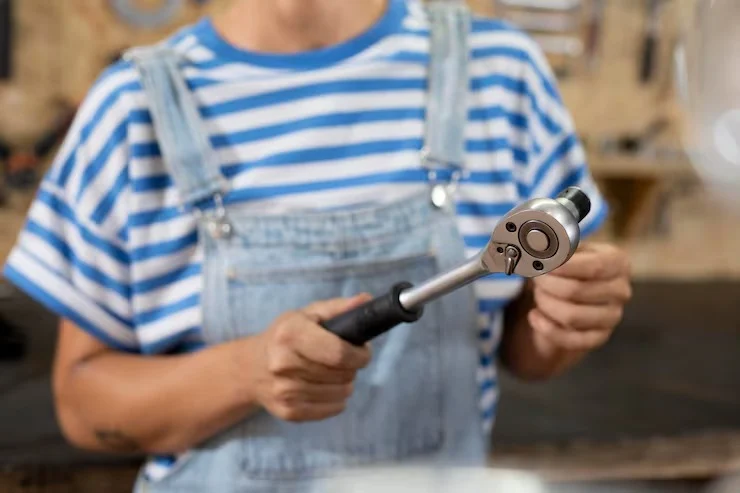
Rapid torque wrench calibration in Houston is typically conducted by qualified calibration technicians using traceable standards, controlled procedures, and equipment appropriate for the wrench type and required torque range. When you need fast turnaround, you should choose a calibration provider that can combine technical accuracy with responsive service.
Who Performs Rapid Torque Wrench Calibration in Houston?
Qualified calibration technicians conduct torque wrench calibration using calibrated reference equipment to verify whether your wrench delivers the required torque accurately. The technician measures the wrench against known standards, evaluates its performance, and documents the results.
For industrial, automotive, manufacturing, maintenance, and field-service applications, calibration should not be treated as a simple adjustment. Your torque wrench is a measurement instrument, and inaccurate torque can affect fastener performance, equipment reliability, product quality, and safety.
When turnaround time matters, look for a provider that understands both calibration requirements and your operational deadlines. Industrial Scale & Measurement provides professional measurement services for businesses that need dependable equipment performance rather than an informal accuracy check.
What Does a Torque Calibration Technician Actually Do?
A calibration technician compares your torque wrench against a traceable reference standard across its operating range and records the results. The process helps determine whether the instrument remains within its specified tolerance.
A typical calibration task may include:
- Inspecting the torque wrench for visible damage or wear
- Identifying the wrench and its torque range
- Connecting it to suitable calibration equipment
- Applying controlled torque loads
- Recording readings at specified test points
- Comparing measured values with applicable tolerances
- Identifying measurement errors or inconsistencies
- Providing documented calibration results
The technician may also identify conditions that could affect performance, such as mechanical wear, damaged components, contamination, or improper storage.
That distinction matters when you are trying to complete a rapid calibration. Speed should reduce downtime, not eliminate essential testing steps.
Why Does Rapid Calibration Matter for Houston Businesses?
Rapid calibration helps you return critical torque tools to service sooner while maintaining confidence in their measurement performance. This can be especially valuable when a production line, maintenance schedule, repair project, or inspection depends on a specific torque wrench.
If you send a frequently used wrench away for an extended period, you may face delays or need to locate a replacement. A responsive calibration provider can help you reduce that disruption.
You should still avoid choosing a provider based solely on promised turnaround time. Ask how the calibration is performed, what documentation you receive, whether the reference equipment is traceable, and how the results are reported.
For a clearer understanding of the professional process, you can review these Torque Wrench Calibration Services for verifying torque measurement accuracy and documenting instrument performance.
How Should You Choose a Calibration Provider?
Choose a calibration provider based on technical capability, traceability, documentation, turnaround expectations, and experience with your specific torque equipment. The cheapest or fastest option is not necessarily the most suitable.
Before sending your wrench, confirm several details.
First, identify the torque range and wrench type. Different instruments may require different testing equipment and procedures. Second, ask whether the calibration uses appropriate reference standards. Third, determine what documentation will accompany the completed calibration.
You should also explain your required turnaround time before submitting the equipment. If the wrench supports a critical operation, tell the provider that upfront so scheduling expectations are clear.
A professional provider should be able to explain the process without making the technical side unnecessarily complicated.
What Can Cause a Torque Wrench to Lose Accuracy?
Torque wrench accuracy can change because of mechanical wear, repeated use, improper storage, overloads, impacts, contamination, or other operating conditions. Even a wrench that appears to function normally can develop measurement errors.
You should pay particular attention to tools that experience frequent use or demanding working conditions. Dropping a torque wrench, applying force beyond its intended range, or storing it improperly can affect its performance.
Another common issue is assuming that a wrench is accurate simply because it clicks or operates normally. The mechanical action tells you that the tool functions; it does not independently prove that the applied torque is accurate.
That is why objective calibration testing remains important.
How Can You Prepare Your Wrench for Fast Calibration?
You can support a faster calibration process by providing accurate equipment information and making sure the wrench is ready for evaluation. Good preparation reduces avoidable delays before testing begins.
Before submitting your tool, record its manufacturer, model, serial number, torque range, and any known service history. Tell the calibration provider whether the wrench has been dropped, repaired, overloaded, or exposed to unusual conditions.
If your organization has a required tolerance, standard, or documentation format, communicate those requirements in advance.
You should also avoid making unauthorized adjustments immediately before calibration. A technician needs to evaluate the instrument’s actual condition and performance.
How Often Should You Calibrate a Torque Wrench?
Your calibration interval should reflect how frequently you use the wrench, its operating environment, required accuracy, manufacturer recommendations, and previous calibration results. There is no single interval that works for every application.
A high-use production tool may justify more frequent verification than a rarely used maintenance wrench. Likewise, tools exposed to impacts, heavy workloads, or harsh environments may require closer monitoring.
Use your calibration records to identify performance trends. If a wrench repeatedly approaches or exceeds tolerance, you may need to shorten its calibration interval or investigate whether repair or replacement is appropriate.
FAQs About Rapid Torque Wrench Calibration
Who performs torque wrench calibration?
Qualified calibration technicians perform torque wrench calibration using appropriate reference standards and controlled test procedures.
How quickly can a torque wrench be calibrated?
Turnaround depends on the provider, equipment type, workload, and service requirements. Confirm the expected completion time before submitting your wrench.
Does a torque wrench need calibration after being dropped?
Yes. A significant impact can affect measurement performance even when the wrench still appears to operate normally.
What information should you provide for calibration?
Provide the manufacturer, model, serial number, torque range, service history, and any specific accuracy or documentation requirements.
How do you know when your torque wrench needs calibration?
Follow the manufacturer’s recommendations and your internal quality procedures, while considering usage frequency, operating conditions, and previous calibration results.
Get Your Torque Wrench Back Into Reliable Service
Your torque wrench supports critical fastening work, so you should not leave its accuracy to assumption. When you need professional calibration with attention to turnaround, documentation, and measurement reliability, Industrial Scale & Measurement can help you evaluate your calibration requirements and determine the appropriate service.
If your Houston operation depends on accurate torque tools, take the next step before an unverified instrument creates costly rework or measurement uncertainty. Contact Us to discuss your torque wrench calibration requirements and service needs.