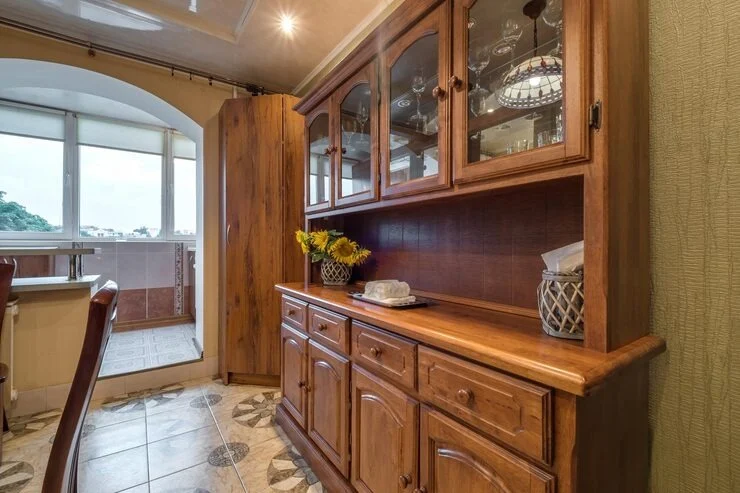

Antique furniture tells stories that span generations. Every carved leg, dovetail joint, and hand-finished surface reflects the materials and craftsmanship of a bygone era. One of the most important—and fascinating—elements of restoring antique furniture is understanding the types of wood used in its construction. The choice of wood affects not only the appearance of the piece but also how it should be repaired, refinished, and preserved for the future.
In this guest blog, we’ll explore the most common woods found in antique furniture, why they were historically favored, and how knowledge of these materials plays a critical role in Antique Furniture Restoration Maryland projects. Whether you’re a collector, homeowner, or restoration enthusiast, understanding these woods will help you appreciate antiques on a deeper level and make informed restoration decisions.
Why Wood Selection Matters in Antique Furniture Restoration
Before modern manufacturing, furniture makers relied on locally available hardwoods and softwoods. Each wood species had unique characteristics—grain pattern, hardness, durability, and workability—that made it suitable for certain types of furniture.
In professional Antique Furniture Restoration Maryland services, identifying the original wood is essential. Using the wrong replacement wood or finishing technique can reduce the historical value of a piece, affect its structural integrity, and compromise authenticity. Skilled restorers study wood types closely to ensure repairs are sympathetic to the original craftsmanship.
Oak: A Foundation of Strength and Tradition
Oak is one of the most common woods found in antique furniture, especially pieces dating from the 17th to early 19th centuries. Known for its strength and durability, oak was widely used in Europe and early American furniture.
Characteristics of Oak
- Prominent, open grain
- Exceptional hardness and longevity
- Resistant to wear and insect damage
Oak was often used for chests, tables, cabinets, and chairs meant to withstand daily use. In Antique Furniture Restoration Maryland, oak pieces often require careful cleaning of deep grain pores and gentle refinishing to preserve their bold texture.
Mahogany: Elegance and Refinement
Mahogany became popular in the 18th century and is commonly associated with high-end antique furniture. Imported from the Caribbean and Central America, mahogany was prized for its rich color and smooth grain.
Why Mahogany Was Favored
- Straight, fine grain that’s easy to carve
- Warm reddish-brown tones
- Excellent dimensional stability
Antique sideboards, desks, dining tables, and bedroom furniture frequently feature mahogany. During Antique Furniture Restoration Maryland, restorers take special care to maintain the natural depth and patina that mahogany develops over decades, rather than sanding it down excessively.
Walnut: Rich Color and Versatility
Walnut was especially popular in the late 1600s and early 1700s before mahogany became widely available. It remains one of the most visually striking woods used in antique furniture.
Walnut’s Defining Features
- Dark, chocolate-brown color
- Smooth grain with occasional dramatic figuring
- Strong yet workable
Walnut is commonly found in high-style furniture such as armoires, dressers, and ornate chairs. Restoration professionals in Antique Furniture Restoration Maryland often focus on color matching and careful veneer repair when working with walnut pieces.
Cherry: Subtle Beauty That Ages Gracefully
Cherry wood is beloved for its warm tones that deepen over time. Many antique American furniture makers favored cherry due to its availability and attractive aging process.
Key Qualities of Cherry Wood
- Fine, closed grain
- Light reddish hue that darkens with exposure to light
- Smooth texture ideal for elegant furniture
Cherry is often used in desks, tables, and case goods. During restoration, it’s important to preserve the natural color development rather than trying to “reset” the wood’s appearance. Experienced Antique Furniture Restoration Maryland specialists understand how to enhance cherry’s beauty without stripping away its history.
Pine: Practical and Widely Used
While hardwoods often steal the spotlight, pine played a significant role in antique furniture—particularly in early American and rustic pieces. Pine was readily available and easy to work with.
Pine in Antique Furniture
- Softwood with visible knots
- Lightweight and affordable
- Common in country furniture and structural components
Pine was frequently used for drawers, backs, and internal frames, even in high-end furniture. In Antique Furniture Restoration Maryland, pine components may require stabilization, as softer woods are more susceptible to dents, warping, and insect damage.
Maple: Strength with a Clean Appearance
Maple is another wood commonly found in antique furniture, especially in utilitarian pieces and structural parts.
Why Maple Was Used
- Very hard and durable
- Light color with subtle grain
- Resistant to wear
Maple was often used for drawer sides, tabletops, and work surfaces. Restoration requires precision, as maple can be challenging to stain evenly. Skilled craftsmen involved in Antique Furniture Restoration Maryland know how to finish maple while respecting its original look.
Rosewood and Exotic Woods: Luxury Statements
In more elaborate antiques, particularly those influenced by European design, exotic woods like rosewood were used for decorative veneers and accents.
Features of Exotic Woods
- Deep, dramatic coloration
- Dense and heavy structure
- Often used sparingly due to cost
These woods require specialized care during restoration. Veneer repair, in particular, is a delicate process best handled by experts in Antique Furniture Restoration Maryland who understand historical construction techniques.
Veneers and Secondary Woods
Many antique furniture pieces combine multiple wood types. A high-quality piece may feature a mahogany veneer over a pine or oak base, balancing beauty with practicality.
Restorers must identify both primary and secondary woods to ensure accurate repairs. This layered construction is one reason professional restoration is so valuable—every decision must align with the original design intent.
The Role of Skilled Craftsmanship in Restoration
Understanding wood species is only part of the equation. True restoration requires respect for traditional joinery, period-appropriate finishes, and careful conservation techniques.
Working with a trusted company like Antique Furniture Restoration Maryland ensures that each piece receives expert attention rooted in historical knowledge and modern best practices. Established professionals such as Meisterbuilders Inc bring years of experience to every restoration project, ensuring authenticity, durability, and visual excellence.
If you have a cherished antique that needs professional care, don’t hesitate to Contact us to discuss your restoration needs with experienced specialists.
FAQs About Antique Furniture Woods and Restoration
1. How do professionals identify the type of wood in antique furniture?
Experts examine grain patterns, color, weight, and construction methods. In some cases, small hidden areas are inspected to determine the original wood species accurately.
2. Can damaged wood be replaced with a different type?
In authentic restoration, replacement wood should match the original species as closely as possible. Using different wood can affect appearance, value, and historical accuracy.
3. Is refinishing always necessary during restoration?
No. Many antique pieces benefit more from conservation than refinishing. Preserving the original finish and patina is often preferred unless the surface is severely damaged.
4. Why are multiple wood types used in one piece of furniture?
Furniture makers often used high-quality wood for visible surfaces and more affordable wood for internal structures. This approach balanced cost, strength, and appearance.
5. How long does an antique furniture restoration project take?
Timelines vary depending on the condition, wood type, and complexity of the piece. Detailed projects involving veneer repair or structural stabilization may take several weeks.
Final Thoughts
Antique furniture restoration is as much about understanding materials as it is about craftsmanship. Each wood species—from oak and mahogany to cherry and pine—plays a unique role in the history and character of antique furniture. By recognizing these woods and their properties, you can better appreciate the skill involved in bringing antique pieces back to life.
When handled by experienced professionals, Antique Furniture Restoration Maryland services ensure that treasured heirlooms retain their authenticity, beauty, and value for generations to come.