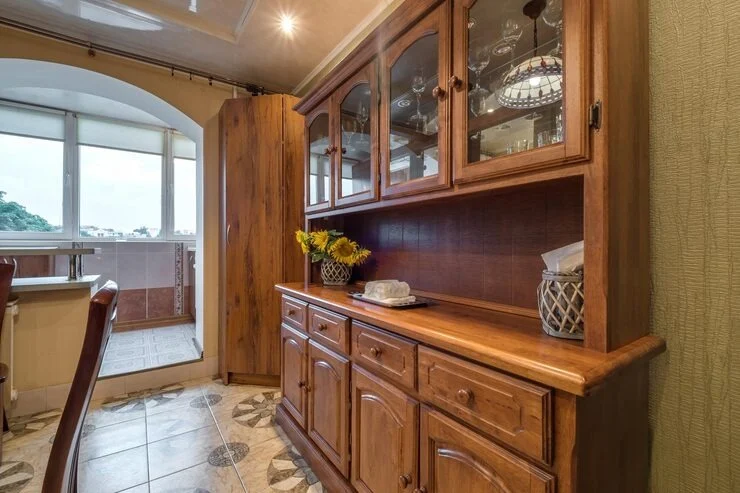


When you own antique furniture, you’re not just holding onto a functional piece—you’re preserving history, craftsmanship, and often significant monetary value. Naturally, one of your biggest concerns is whether restoring an antique will protect or diminish its market value. The answer isn’t a simple yes or no. It depends on how, why, and by whom the restoration is done.
In this guide, you’ll learn how restoration impacts antique value, when it’s beneficial, and how to make informed decisions that protect your investment.
Understanding Antique Value Before Restoration
Before you consider any restoration work, you need to understand what gives your antique its value. Several factors play a role:
- Age and rarity
- Original condition
- Craftsmanship and materials
- Historical significance
- Provenance (ownership history)
In many cases, originality is one of the most critical factors. Collectors often prefer pieces that retain their original finish, hardware, and structure—even if they show wear. This means careless or excessive restoration can actually reduce value rather than preserve it.
When Restoration Helps Maintain Value
Restoration can absolutely maintain—or even increase—your antique’s market value when done correctly. The key is preserving authenticity while improving structural integrity and appearance.
You should consider restoration when:
- Structural Damage Exists
If your furniture is unstable, has loose joints, or is at risk of falling apart, restoration is essential. Stabilizing the piece ensures longevity without compromising value. - Surface Damage Is Severe
Deep scratches, water damage, or peeling finishes can make a piece less appealing. Careful refinishing that matches the original style can enhance both beauty and value. - Functionality Matters
If a drawer no longer opens or a chair can’t support weight, restoring usability makes the piece more desirable to buyers.
In these situations, working with experts in Antique Furniture Restoration Maryland ensures that repairs are done with precision, preserving both character and worth.
When Restoration Can Hurt Value
Not all restoration is beneficial. In fact, poor or unnecessary work can significantly reduce an antique’s market appeal.
Be cautious if:
- The Piece Is Rare and Collectible
Highly collectible antiques often lose value if altered. Even minor refinishing can remove original patina that collectors prize. - Original Finishes Are Intact
If the finish is still in good condition, refinishing may do more harm than good. That aged look—known as patina—is often what makes antiques valuable. - Modern Materials Are Used
Replacing original parts with modern substitutes or using inappropriate techniques can make the piece less authentic.
Restoration vs. Conservation: Know the Difference
To protect value, you need to understand the difference between restoration and conservation.
- Restoration involves repairing or replacing parts to return a piece to its original appearance.
- Conservation focuses on preserving the current state and preventing further damage.
In many cases, conservation is the better approach for high-value antiques. It maintains originality while ensuring the piece doesn’t deteriorate further.
Choosing the Right Restoration Approach
If you decide restoration is necessary, your approach matters just as much as the work itself.
- Use Period-Appropriate Techniques
Traditional methods and materials should always be used to match the era of the piece. - Preserve Original Components
Whenever possible, original wood, hardware, and finishes should remain intact. - Avoid Over-Restoration
Too much work can strip away character. Aim for subtle improvements rather than a “like-new” appearance. - Document the Process
Keep records of any restoration work. Documentation can reassure future buyers and help maintain value.
Working with a trusted specialist like Meisterbuilders Inc ensures that your antique receives the care and expertise it deserves.
The Role of Professional Expertise
Restoration is not a DIY project if you want to preserve value. Skilled professionals understand:
- Historical construction techniques
- Proper finishing methods
- How to match original materials
- When to restore and when to conserve
An experienced restorer knows how to enhance the piece without erasing its story.
If you’re unsure about your antique’s needs, it’s always wise to Contact Us for a professional assessment before making any changes.
How Buyers View Restored Antiques
Understanding buyer preferences can help you make smarter restoration decisions.
Collectors
They often prefer minimal restoration and maximum originality.
Interior Designers and General Buyers
They may appreciate restored pieces that look polished and function well.
This means your restoration strategy should align with your target market. If you plan to sell to collectors, less is often more. If your audience values aesthetics and usability, tasteful restoration can increase appeal.
Common Restoration Techniques That Preserve Value
Some restoration methods are widely accepted and even encouraged when done correctly:
- French polishing for fine wood finishes
- Re-gluing joints using traditional adhesives
- Gentle cleaning to remove dirt without stripping patina
- Waxing and oiling to nourish wood surfaces
These techniques enhance the piece while maintaining its authenticity.
Signs Your Antique Needs Immediate Attention
Delaying restoration can sometimes lead to irreversible damage. Watch for:
- Cracks in wood or veneer
- Loose or wobbly joints
- Mold or water damage
- Insect infestations
- Flaking finishes
Addressing these issues early helps preserve both condition and value.
Balancing Sentimental and Market Value
Sometimes, your antique holds more emotional value than financial worth. In such cases, restoration decisions can be more flexible.
If your goal is to enjoy the piece in your home, you may prioritize:
- Comfort
- Functionality
- Appearance
However, if resale value is important, always lean toward preservation and professional guidance.
Cost vs. Value: Is Restoration Worth It?
Restoration can be an investment, so it’s important to weigh the costs against potential returns.
Ask yourself:
- Will restoration significantly increase resale value?
- Is the piece rare or highly collectible?
- Are you restoring for personal use or sale?
In many cases, thoughtful restoration enhances long-term value, especially when done by experts in Antique Furniture Restoration Maryland.
Final Thoughts
Restoration can maintain—and sometimes even increase—your antique’s market value, but only when done thoughtfully. The goal is not to make the piece look brand new, but to preserve its authenticity while ensuring durability and beauty.
By understanding when to restore, when to conserve, and who to trust with the process, you can protect your investment and keep your antique’s story alive for generations.
FAQs
- Does restoring antique furniture always increase its value?
No. Poor or excessive restoration can reduce value. Proper, minimal restoration that preserves originality is more likely to maintain or enhance worth. - Should I refinish antique wood furniture?
Only if the finish is severely damaged. Original finishes with patina are often more valuable than newly refinished surfaces. - Can I restore antiques myself?
DIY restoration risks damaging the piece. Professional expertise is recommended to preserve authenticity and market value. - What is the difference between restoration and conservation?
Restoration repairs and renews a piece, while conservation focuses on preserving its current condition and preventing further damage. - How do I choose a reliable restoration expert?
Look for experience, knowledge of period techniques, and positive client feedback. Always review past work before making a decision.