
Every time you plug in your phone charger, switch on a light, or power up a machine, there’s a hidden hero at work making sure the electricity you get is usable and safe. That hero is the transformer. Whether in a large factory or on your street corner, electrical power transformers and electrical transformers quietly manage voltage so devices and systems can run properly. Learning about them may sound technical, but with a little explanation, you’ll see how essential they are to everyday life and how easy it is to understand their role.
What Are Electrical Power Transformers?
Electrical power transformers are devices that change the voltage of electricity from one level to another. In simple terms, they step up or step down voltage depending on the need. They’re crucial for sending electricity over long distances and delivering it safely to homes, offices, and industrial sites.
Electrical transformers are found everywhere—on utility poles, inside industrial plants, and even in some household devices. While small ones handle low-power electronics, electrical power transformers manage much larger voltages for entire neighborhoods or factories.
How Electrical Power Transformers Work in Simple Terms
Think of electricity like water flowing through pipes. High voltage is like water under high pressure; low voltage is like water under gentle pressure. Electrical power transformers act like valves that adjust the pressure.
Inside the transformer are coils of wire wrapped around a magnetic core. When electricity flows through one coil, it creates a magnetic field that induces voltage in the other coil. By changing how many turns of wire are in each coil, the transformer can increase or decrease voltage as needed. This process is efficient, quiet, and vital for modern power systems.
Why Electrical Power Transformers Are Essential for Safety and Efficiency
Without transformers, electricity generated at power plants couldn’t travel far without major losses. High-voltage transmission lines carry electricity efficiently, but that voltage must be lowered before it reaches homes or businesses. Electrical power transformers make this possible by stepping down voltage to safe levels.
Electrical transformers also protect sensitive equipment. Computers, machines, and appliances are designed for specific voltages. A sudden spike or mismatch could damage them or cause hazards. By regulating voltage, transformers ensure equipment runs smoothly and safely.
Differences Between Electrical Power Transformers and Smaller Electrical Transformers
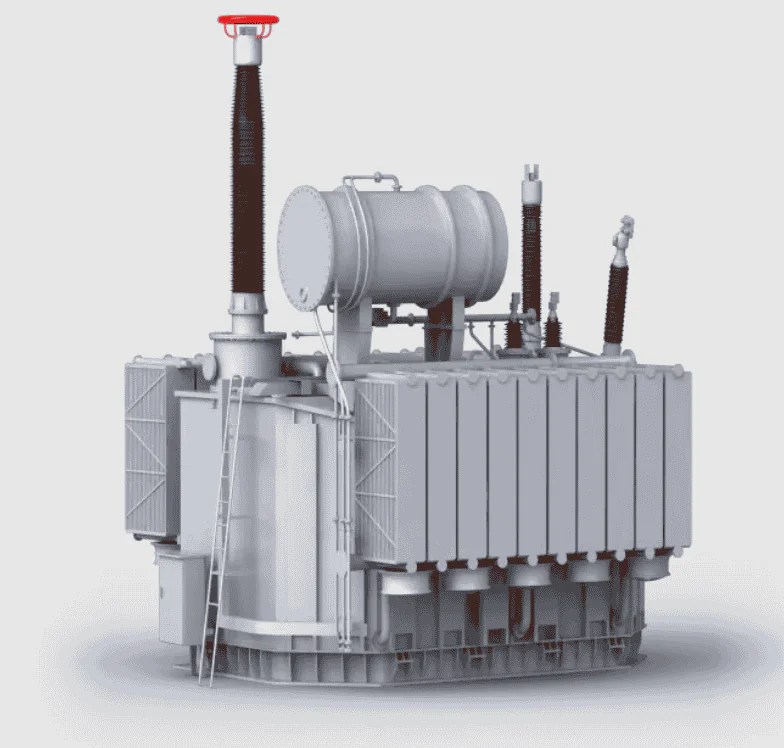
Both electrical power transformers and electrical transformers work on the same principle, but their scale differs. Electrical power transformers handle large voltages for transmission and distribution. They’re the big units you see in substations or industrial yards.
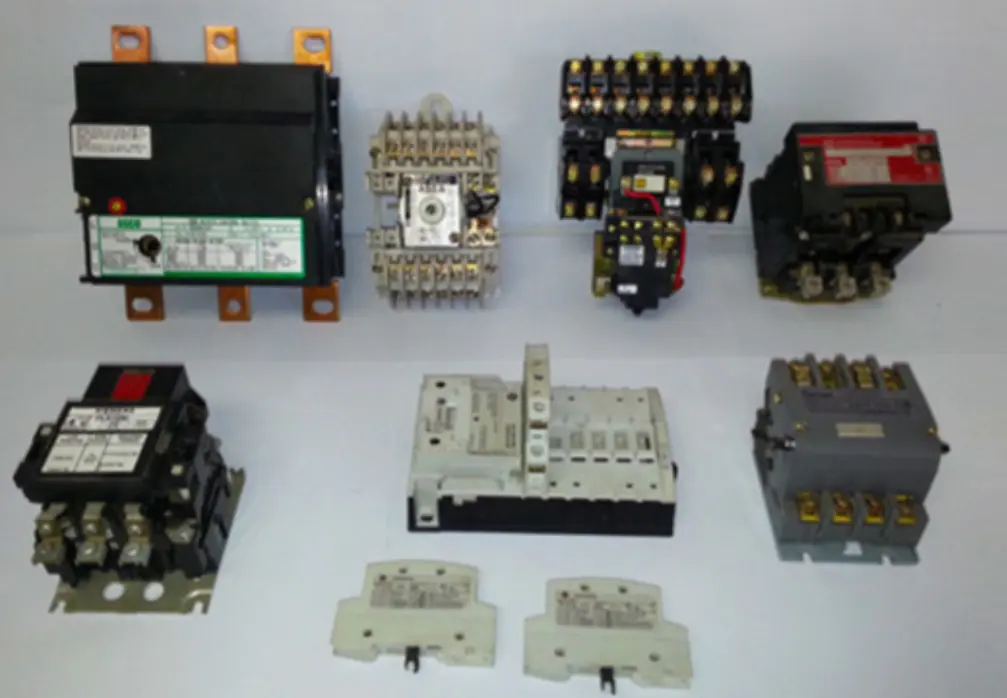
Smaller electrical transformers are used in appliances, lighting systems, or commercial buildings. They manage lower voltages and smaller loads. Understanding this difference helps when planning electrical systems for businesses or projects.
Benefits of Using Electrical Power Transformers in Modern Systems
Even though they’re rarely noticed, electrical power transformers deliver big advantages:
-
They allow electricity to travel long distances efficiently.
-
They reduce voltage to safe levels for homes and businesses.
-
They protect equipment from damage caused by voltage spikes.
-
They support reliable power for industrial and commercial operations.
These benefits make them a backbone of modern life.
Practical Tips for Managing Electrical Power Transformers
While most people don’t directly handle transformers, facility managers and maintenance teams often do. Some helpful tips include:
-
Ensure transformers are rated correctly for the intended load and voltage.
-
Schedule regular inspections to check for leaks, unusual noises, or overheating.
-
Keep the surrounding area clean and free of obstructions for proper ventilation.
-
Record performance data to spot issues early.
These practices extend the life of electrical power transformers and reduce costly downtime.
The Role of Electrical Power Transformers in Industrial and Commercial Settings
Factories, hospitals, and large commercial buildings rely heavily on stable electricity. Electrical power transformers supply the right voltage for heavy machinery, medical equipment, and HVAC systems. Without them, sudden voltage fluctuations could disrupt operations or cause expensive failures.
Electrical transformers also support backup systems. Many facilities have emergency power or generator systems that need transformers to integrate safely with the main power supply. This ensures smooth transitions during outages and keeps critical services running.
Energy Efficiency and Electrical Power Transformers
Modern designs are increasingly focused on efficiency. Transformers lose a small amount of energy as heat, but better materials and improved construction reduce these losses. Over time, upgrading to efficient electrical power transformers can save significant amounts of electricity and lower operating costs.
Electrical transformers in commercial buildings can also be optimized for energy efficiency. For businesses looking to reduce their carbon footprint, investing in efficient transformers is a practical step.
Choosing the Right Electrical Power Transformers
Selecting the right transformer involves considering the voltage and current requirements, the type of load, and the environment where it will operate. For example, a transformer in a coastal area may need special protection against corrosion, while one in a factory must handle fluctuating loads.
Electrical transformers for smaller applications have their own specifications but must also match the equipment they support. Mismatched transformers can lead to inefficiency, overheating, or even hazards.
Maintenance and Troubleshooting of Electrical Power Transformers
Regular maintenance keeps transformers reliable. Over time, insulation can degrade, connections can loosen, and oil (in oil-cooled models) may become contaminated. Monitoring temperature, checking for leaks, and testing electrical parameters help prevent failures.
When issues occur—like unusual humming, overheating, or inconsistent voltage—quick action is key. Many modern electrical power transformers include sensors and monitoring devices to help detect problems early. This reduces downtime and ensures safe operation.
The Future of Electrical Power Transformers
Technology is transforming even these traditional devices. Smart electrical power transformers now feature digital sensors, remote monitoring, and automated controls. This allows utilities and businesses to manage loads more effectively, predict maintenance needs, and integrate with renewable energy sources.
Smaller electrical transformers are also evolving. With more electronics and energy-efficient designs in buildings, the demand for smarter, more compact transformers is growing. These changes promise a future of safer, more reliable power for everyone.
Common Challenges with Electrical Power Transformers
Despite their reliability, transformers can face challenges. Overloading, poor maintenance, or harsh environments can shorten their lifespan. Additionally, as energy demands increase, older transformers may struggle to keep up with modern loads. Recognizing these challenges helps facilities plan upgrades and avoid costly failures.
Electrical transformers in commercial settings face similar issues but on a smaller scale. Proper sizing, maintenance, and monitoring are just as important for keeping these systems safe and efficient.
FAQs
Q1: What do electrical power transformers do?
They step voltage up or down to move electricity efficiently over long distances and deliver it safely to homes, businesses, and industrial facilities.
Q2: How do electrical transformers differ from electrical power transformers?
Electrical power transformers are larger units for high-voltage transmission and distribution, while electrical transformers are smaller devices for specific equipment or buildings.
Q3: Why are electrical power transformers important for safety?
They regulate voltage, protecting people and equipment from dangerous spikes or mismatched voltages.
Q4: Can electrical power transformers improve energy efficiency?
Yes. Modern designs reduce energy losses and, when properly maintained, help cut electricity costs and environmental impact.