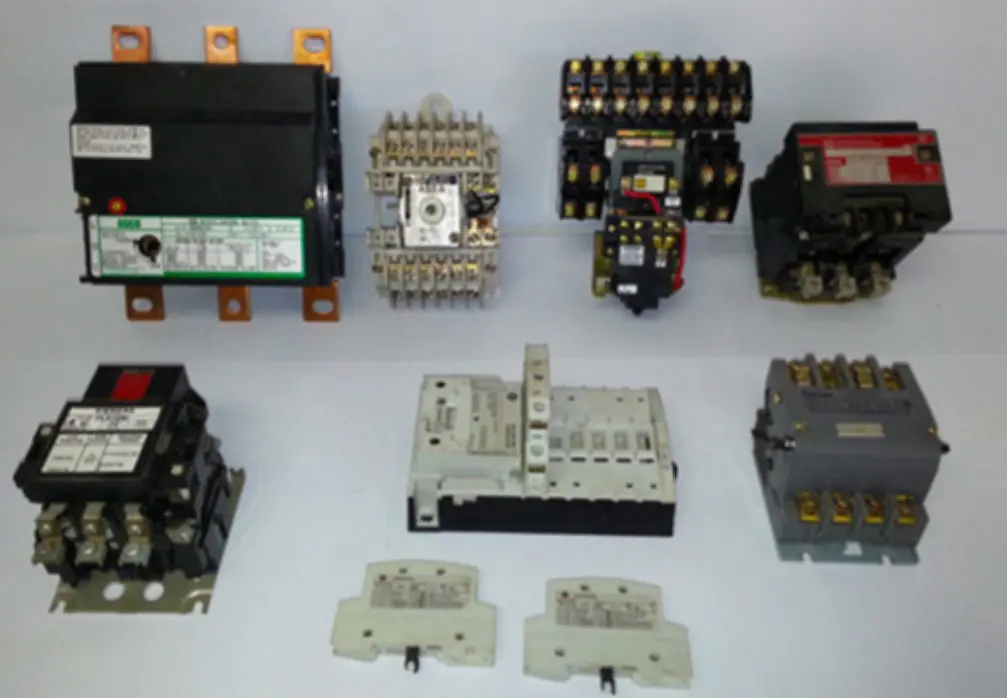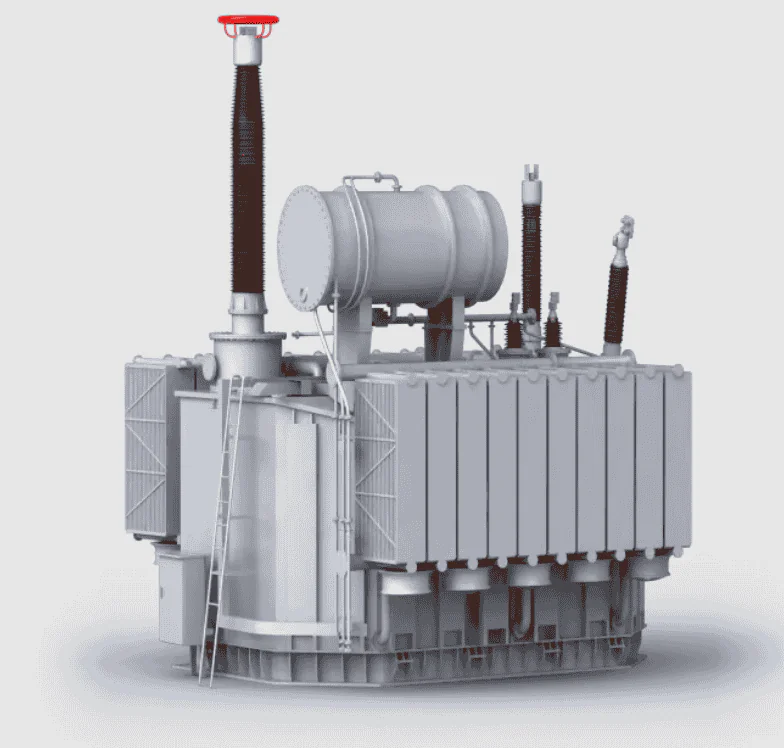

When you think of electrical installation, what comes to mind? Probably images of complicated circuits and wires strewn across floors and ceilings. While this is still a common element of many electrical installations, there’s a lot more to it than that. In this blog post, we will explore some of the basics of electrical installation, from planning and layout to equipment selection and installation. By understanding these basics, you’ll be better prepared to handle any electrical project you may come across. industrial electrical contractor Dearborn MI
What is an electrical installation?
Electrical installation is a process of installing electrical wiring and equipment in buildings. Electrical installations can involve anything from the installation of individual light fixtures to the rewiring of an entire building. The goal of an electrical installation is to ensure that all the devices in a building are properly wired and connected, so that they can exchange information effectively.
There are a number of factors that must be considered when installing electrical wiring, including the type of wiring being used, the layout of the building, and the types of devices being installed. It is important to consult with an experienced electrician when undertaking an electrical installation project, as improper planning could lead to complications later on. electrical troubleshooting Dearborn MI
What are the different types of electrical installations?
There are a few different types of electrical installations, including residential, commercial, industrial, and public utilities. Each installation has its own unique set of requirements and challenges that must be considered when planning and carrying out the project.
Residential electrical installation typically involves installing wires inside walls and ceilings to connect appliances and fixtures to the electric grid. Commercial installations involve installing large circuits in busy areas or high-rise buildings. Industrial installations cover everything from power generation to manufacturing. Public utilities often install wires in rural areas to provide service to villages or small towns.
Each installation requires a specific set of skills and equipment, so it’s important to choose an installer who is experienced with the type of installation being done. Every installation is unique, so it’s important to consult with the provider before starting work. There are also many online resources available that can help guide you through the process of choosing an installer and getting started on your project.
Conclusion
If you are looking to get into the electrical installation trade, there are a few things that you need to know. In this article, we have outlined some of the basics about electrical installation so that you can start your journey on the right foot. By following the tips in this article, you will be well on your way to becoming an experienced electrician. So what are you waiting for? Start learning today! electrical service upgrades Dearborn MI