
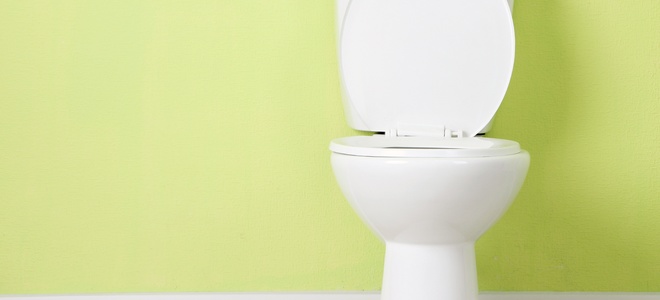
When it’s time to replace your toilet or install one in a new bathroom, here’s what to check for.
Toilets are in every home, and you probably take them for granted until they fail or you create a new bathroom. When it comes time to buy a new toilet, though, plumbing jargon can be frightening.
Your choice of toilet, whether based on water usage, design, or color, will have an impact on the cost and installation, so it’s a good idea to know what you’re getting into.
Our article explains the various types of toilets available, as well as the other elements that may influence your decision to purchase a new toilet.
The standard toilet room
The toilet consists of two basic components:
1.The cistern is where the water for the gravity-driven best flushing toilet is stored.
2.When the flush is activated, water from the cistern pours into the pan, carrying the waste to the sewer line.
The set up of the S trap, P trap, and skew trap
The fundamental distinction between toilet types is where the waste exits the toilet pan – the set out – which is divided into several alternatives depending on your bathroom’s design.
The alternatives are named after the curvature of the pipe bend.
All are designed to produce a water seal, preventing the sewage odor from resurfacing through the toilet.
1.The pipe connects to the sewer through the floor in a S trap. In Australia, this is the most frequent layout.
2.A P trap connects to the sewer through the wall from the rear of the toilet. A P trap is installed on a wall-hung toilet.
3.A skew trap exits on each side of the toilet pan; this is the least frequent configuration, but it can work well in small bathrooms.
If you’re replacing a toilet, you may not have much of a say in the layout, since the previous design will usually dictate your decision, unless you’re ready to spend a lot of money on a bathroom makeover.
Measurement criteria for toilet installation
You’ll need these measures when shopping for a toilet:
1.Set-out. It’s the distance between the waste outlet’s center and the wall for a S trap. It’s the distance between the outlet and the floor for a P trap. Make a mental note of where you currently have an inlet.
2.Projection. This is the amount of room your toilet takes up in your home. If you replace a toilet with one that projects too far, it may block a door, cupboard, or shower. After you’ve installed it, it’s difficult to fix.
3.Height. This is especially crucial for persons who have difficulty getting onto or off the toilet, or for those who are significantly taller than the average. Most toilets are installed at a height of 39.5cm, although ambulant toilets can be installed at any height.
Inlets for water
The location of the water inlet is also important because this is how the water gets to the cistern to flush. If you’re installing a new toilet, this is crucial. Often, toilets can accommodate both, but if they can’t, you’ll need to hire a plumber to make the necessary alterations.
One of two sources for flexible or copper pipe is:
1.A bottom intake is located beneath the cistern and has exposed piping — you’ll know you have one if there’s a tap of some sort.
2.A back inlet comes from the back of the cistern and is hidden, which is more attractive and takes less cleaning, although it is advised that you contact a plumber to install one.
Designs for toilets
The S trap or P trap can be seen in most toilet suite designs seen in most households. Cleaning this pipeware might be a chore. To address this issue, some more contemporary designs have combined the cistern and toilet pan into one unit, while others have totally hidden the cistern (though not its existence, of course).