

If you plan to carry a handgun legally in Maryland, understanding the training requirements is an important first step. Maryland Concealed Carry permit training prepares you to handle a firearm safely, understand state and federal firearm laws, and demonstrate the practical skills required for certification. Whether you are a first-time applicant or renewing an existing permit, the course helps you build the knowledge needed for responsible firearm ownership.
Maryland calls its concealed carry authorization a Wear and Carry Permit. The Maryland State Police (MSP) requires most first-time applicants to complete 16 hours of approved instruction, while renewal applicants generally need eight hours. The training must be provided by a qualified handgun instructor and include classroom education and a practical shooting assessment. Maryland State Police training requirements provide the official details.
1. Maryland Firearm Laws and Concealed Carry Regulations
A major part of Maryland Concealed Carry training focuses on understanding the laws governing firearm possession, transportation, and carrying. You learn the responsibilities that come with having a handgun and the legal restrictions that may apply in different situations.
Your instruction generally covers:
- Maryland firearm possession and eligibility requirements.
- State and federal firearm laws.
- Legal considerations surrounding concealed carry.
- Rules governing self-defense and the defense of others.
- Legal responsibilities associated with firearm ownership.
You should also understand that completing a training course does not automatically authorize you to carry a handgun. You must submit your application, satisfy the applicable eligibility requirements, and receive the required permit approval before carrying under that authorization.
2. Fundamental Firearm Safety and Safe Storage
Firearm safety is central to your training, regardless of your previous experience. You learn how to reduce the risk of accidental injury and handle a handgun responsibly.
Your instructor explains essential safety practices, including treating every firearm as loaded, keeping the muzzle pointed in a safe direction, and keeping your finger away from the trigger until you are ready to fire at an appropriate target.
You also learn about safe firearm storage at home. This includes preventing unauthorized access, considering the presence of children or other household members, and following applicable storage laws.
These lessons help you develop habits that extend beyond the classroom. Safe handling and secure storage should remain priorities whenever you own, transport, or use a firearm.
3. Handgun Components, Operation, and Maintenance
Before you can handle a handgun confidently, you need to understand how it works. Maryland Concealed Carry training introduces you to common handgun types, their basic components, and their operating mechanisms.
Depending on your course, you may learn about:
- Major handgun parts and their functions.
- Differences between common handgun designs.
- Safe loading and unloading procedures.
- Basic disassembly and reassembly.
- Routine cleaning and maintenance.
Understanding these fundamentals helps you recognize potential safety issues and care for your equipment responsibly. If you are new to firearms, ask your instructor to explain unfamiliar terms and demonstrate safe handling procedures before you practice them yourself.
4. Practical Shooting and Marksmanship Assessment
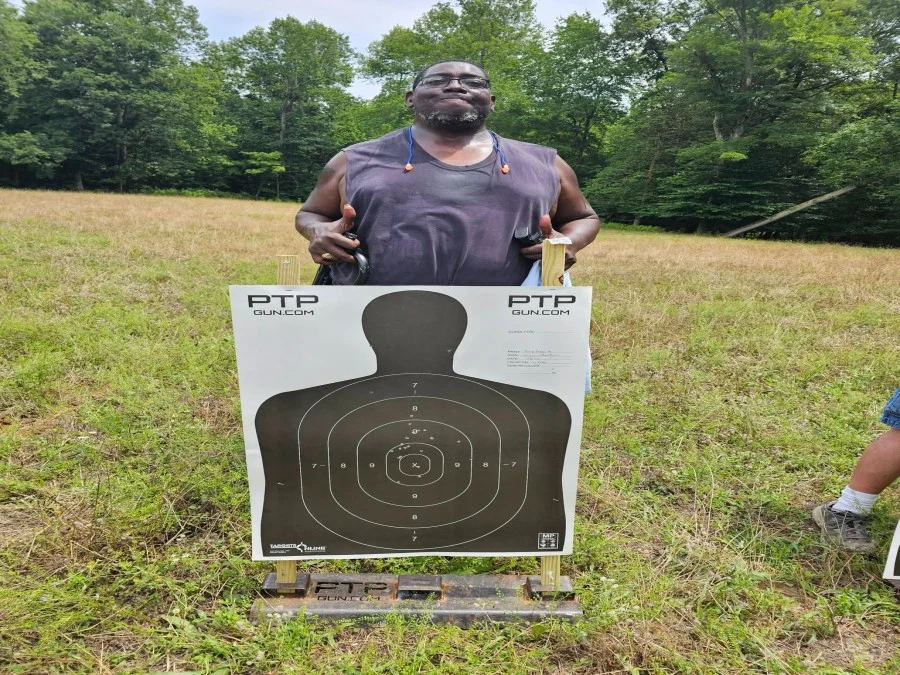
Your training also includes practical firearm proficiency. Classroom knowledge alone is not enough; you must demonstrate that you can handle and fire a handgun safely under the applicable course requirements.
For most civilian Wear and Carry applicants, Maryland requires a Basic Practical Handgun Course involving at least 25 rounds, fired from distances no greater than 15 yards. You must achieve at least 70% accuracy. Certain designated security personnel follow a different qualification course.
Your instructor will explain the assessment requirements and help you understand the standards you must meet. Practical instruction may cover grip, stance, sight alignment, trigger control, and safe range conduct.
Prepare by listening carefully, following every range command, and asking questions whenever an instruction is unclear. Never handle a firearm outside the instructor’s directions or established safety procedures.
5. Concealed Carry Equipment and Responsible Handling
Responsible carry involves more than completing a shooting assessment. You also need to understand how your equipment affects safety and everyday handling.
Some Maryland concealed carry classes introduce different holster styles and demonstrate safe drawing and reholstering procedures. You can learn how to evaluate equipment for secure retention, comfort, accessibility, and compatibility with your handgun.
Your instructor may also discuss how clothing, movement, and routine activities affect concealed carry. Focus on safe, controlled handling rather than speed.
Remember that course completion does not remove your obligation to follow Maryland’s restrictions on where firearms may be carried. Review current laws before entering public buildings, private properties with applicable restrictions, or other potentially prohibited locations.
6. How Long Does Maryland Concealed Carry Training Take?
The required training time depends on whether you are applying for a permit for the first time or renewing an existing one.
- Initial application: At least 16 hours of approved instruction.
- Renewal application: At least eight hours of approved instruction, unless an applicable exemption applies.
Your training must meet Maryland’s current curriculum requirements. Before registering, verify that your instructor is approved by the Maryland State Police and that the course provides the certification documentation you need.
You should also plan for the remaining application steps, which may include fingerprints, supporting documents, fees, and submission through the Maryland State Police licensing portal. Training certification is one part of the process, not the final permit itself.
7. How to Prepare for Your Maryland Concealed Carry Class
You can make your training experience more productive with a little preparation.
Before class, take these steps:
- Confirm whether you need initial training or renewal training.
- Verify the instructor’s qualifications and the course’s approval status.
- Review the registration instructions and scheduled class hours.
- Ask whether the provider supplies handguns, holsters, ammunition, and eye or ear protection.
- Bring any requested identification and paperwork.
- Arrive ready to participate, follow safety instructions, and ask questions.
If you are comparing providers, review the Maryland Wear and Carry training course offered by PTPGun to learn about its classroom lessons, practical training, and available support. Confirm current course details directly with the provider before registering.
8. Choose Training That Supports Responsible Carry
The right Maryland Concealed Carry course should help you understand the law, practice safe firearm handling, and demonstrate the required level of proficiency. Look for qualified instruction, clear explanations, practical learning opportunities, and accurate guidance on the application process.
PTPGun offers firearm training in Maryland, including Wear and Carry instruction for eligible applicants. Explore its Maryland firearm training classes to compare available options and identify a course that fits your needs.
Before enrolling, verify current requirements with the Maryland State Police and ask the training provider about schedules, equipment, certification, and application assistance. Taking these steps helps you prepare for the course and approach concealed carry with greater knowledge, care, and accountability.
Get Started With Maryland Concealed Carry Permit Training
Preparing for your Maryland Wear and Carry Permit starts with choosing training that covers firearm safety, state laws, and practical proficiency. PTPGun offers training options to help you understand the course requirements and prepare for the next steps in your application process.
Explore the Maryland Wear and Carry training course to review the available training details and determine whether the course meets your needs. If you have questions about class schedules, required equipment, or certification, contact the training provider before registering.
Frequently Asked Questions About Maryland Concealed Carry Permit Training
1. How many hours of training are required for a Maryland Wear and Carry Permit?
Most first-time applicants must complete 16 hours of approved instruction. Renewal applicants generally need eight hours, subject to applicable exemptions and current Maryland State Police requirements.
2. What topics are covered in Maryland concealed carry training?
Training generally covers Maryland firearm laws, firearm safety, safe storage, handgun operation, responsible concealed carry, and practical shooting proficiency. The exact curriculum depends on the applicable state requirements and course.
3. Is live-fire practice required for a Maryland concealed carry permit?
Yes. The required civilian training generally includes a practical handgun qualification. Applicants must meet the applicable shooting standards under instructor supervision.
4. Does completing concealed carry training automatically grant a Maryland permit?
No. Completing the course is only one part of the application process. You must also meet the eligibility requirements, submit the required documentation, and receive approval from the Maryland State Police before carrying under the permit.
5. How can you choose the right Maryland concealed carry training provider?
Look for a qualified instructor, confirmation that the course meets current Maryland State Police requirements, clear information about training hours, and details about practical assessments and certification. Ask about equipment requirements and available class schedules before enrolling.
6. How should you prepare for your first concealed carry class?
Confirm your course registration, review the provider’s instructions, and ask which identification and equipment you need to bring. Arrive ready to follow safety procedures, participate in classroom instruction, and ask your instructor questions about any unfamiliar concepts.
7. Where can you find Maryland Wear and Carry permit training?
You can review PTPGun’s Maryland Wear and Carry course for course information. Check the current schedule, instructor qualifications, and certification details with the provider before registering.
