
Understanding Spinal Compression Fractures
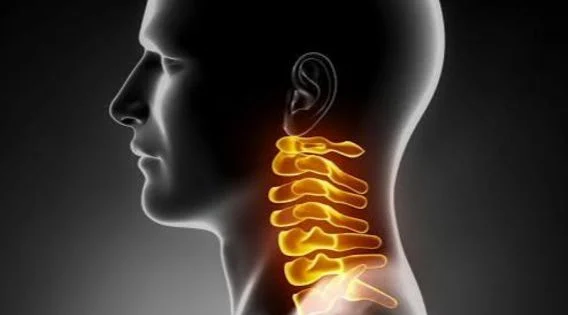
Spinal compression fractures are common among older adults, particularly those living with osteoporosis. These fractures occur when a weakened vertebra collapses, causing sudden or persistent back pain, reduced mobility, loss of height, and a curved posture. In severe cases, pain may make routine activities such as walking, standing, dressing, or sleeping extremely difficult. Timely spine fracture treatment in Kolkata begins with a detailed medical examination and imaging tests to determine the age, location, severity, and probable cause of the fracture.
When Are These Procedures Considered?
Many compression fractures can initially be managed with medication, rest, a spinal brace, osteoporosis treatment, and carefully guided physical therapy. Vertebroplasty or kyphoplasty may be considered when severe pain continues despite conservative care and imaging confirms that the fractured vertebra is responsible for the symptoms. These procedures aim to stabilise the damaged bone using medical-grade cement. They are not automatically suitable for every elderly patient, so the expected benefits must be considered alongside general health, fracture characteristics, and possible procedural risks.
Vertebroplasty and Kyphoplasty Explained
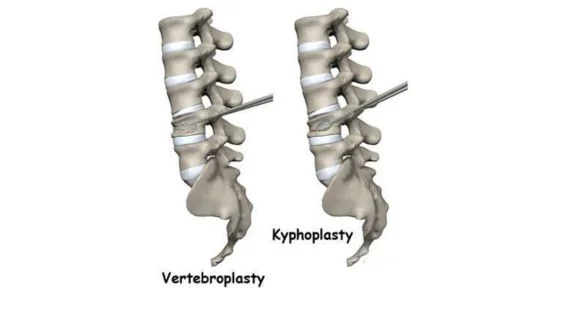
The difference between Vertebroplasty vs Kyphoplasty is mainly related to how the fractured vertebra is prepared before cement is inserted. During vertebroplasty, a needle is guided into the affected vertebra, and bone cement is injected directly to stabilise it. During kyphoplasty, a small balloon is first introduced and inflated to create a cavity within the collapsed bone. The balloon is then removed, and the cavity is filled with cement. Kyphoplasty may help restore some vertebral height in selected cases, although this result cannot be guaranteed.
Evaluating Safety in Older Adults
The assessment of Vertebroplasty and Kyphoplasty safety in the elderly must be personalised because age alone does not determine whether a procedure is appropriate. Doctors consider heart and lung health, kidney function, blood-thinning medication, allergies, infection risk, bone quality, and the patient’s ability to tolerate sedation. Both procedures are generally performed using imaging guidance through a small skin opening. Recognised risks include bleeding, infection, allergic reaction, nerve injury, and cement leakage into nearby tissues or blood vessels, although serious complications are uncommon when patients are appropriately selected. Radiology provides a detailed overview of these procedures and their potential risks.
Potential Benefits for Elderly Patients
Persistent pain can force an older person to remain in bed for long periods, contributing to muscle weakness, reduced independence, poor appetite, and a greater risk of complications associated with immobility. By stabilising a painful compression fracture, vertebroplasty or kyphoplasty may reduce pain and allow earlier movement. Some patients notice improvement quickly, while others experience gradual relief over several days. The main objective is pain control and improved function rather than treatment of osteoporosis itself. Therefore, medication, nutrition, exercise, and fall prevention may still be needed to protect the remaining vertebrae.
Recovery After the Procedure
The Vertebroplasty and Kyphoplasty recovery time in the elderly varies according to general health, the number of vertebrae treated, pre-existing mobility, and whether complications develop. Patients are commonly observed for several hours after treatment, and some may return home the same day or after a short hospital stay. Movement is usually encouraged under medical supervision, but strenuous activity and heavy lifting may be restricted temporarily. According to experts, patients generally undergo a period of hospital observation following these procedures.
The Importance of Treating Osteoporosis
Repairing one vertebral fracture does not correct the underlying loss of bone strength. Without appropriate osteoporosis management, additional fractures may occur in the future. A comprehensive care plan may include a bone-density assessment, calcium and vitamin D guidance, prescription medication, posture training, balance exercises, and changes that reduce fall hazards at home. Regular follow-up helps the doctor evaluate pain relief, mobility, bone health, and any new symptoms. Sudden back pain after treatment should be reported promptly because it may indicate another fracture or a different spinal problem.
Making an Informed Treatment Decision
Vertebroplasty and kyphoplasty can provide meaningful relief for carefully selected elderly patients, but the decision should follow a complete evaluation by an experienced spine specialist. The surgeon should explain the diagnosis, alternative treatments, likely benefits, limitations, and individual risks in clear language. With accurate imaging, responsible patient selection, modern procedural techniques, and continued osteoporosis care, treatment can help reduce pain and support a safer return to daily activity.