
In the realm of industrial electrical systems, transformers play a pivotal role in the safe and efficient distribution of electricity. Whether you are a professional in the electrical field, an engineer, or a curious enthusiast, understanding the components and functions of industrial electrical transformers can enhance your knowledge and improve system performance. This guide will delve into the intricacies of electrical transformers, their key components, and their importance in electrical distribution and motor control.
What are Industrial Electrical Transformers?
Defining Industrial Electrical Transformers
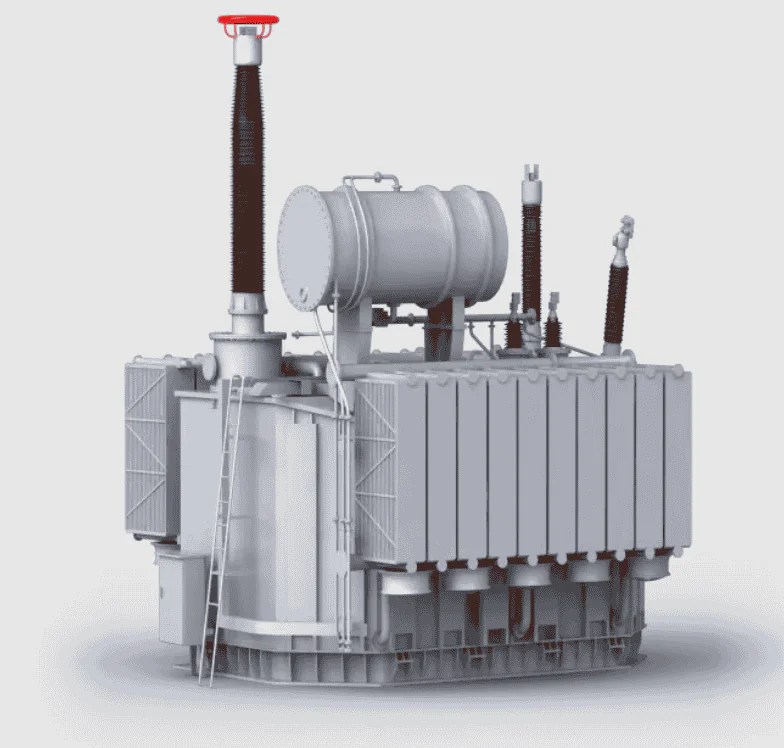
Industrial electrical transformers are static devices that transfer electrical energy between two or more circuits through electromagnetic induction. These transformers are critical in adjusting voltage levels, either stepping them up or down, to meet specific requirements within various applications.
Why are Transformers Essential?
Transformers are essential for:
• Voltage Regulation: Ensuring that electrical systems operate efficiently without overloading or damaging equipment.
• Power Distribution: Facilitating the transmission of electricity over long distances by stepping up voltage to reduce losses.
• Equipment Protection: Safeguarding sensitive electrical devices from voltage spikes and fluctuations.
Key Components of Electrical Transformers
1. Core
The core of an electrical transformer is typically made of silicon steel and serves as the magnetic pathway. It is designed to efficiently channel the magnetic field generated by the flow of current. The core is crucial for minimizing energy losses and ensuring optimal performance.
2. Windings
Transformers have two or more windings made of conductive materials, usually copper or aluminum. These windings are responsible for transferring electrical energy. The primary winding receives energy, while the secondary winding delivers it at a different voltage. The ratio of turns in the windings determines the transformation ratio of the transformer.
3. Insulation
Proper insulation is vital for preventing electrical leakage and ensuring safety. Insulating materials like paper, oil, or synthetic compounds are used to separate the windings from the core and from each other, protecting against electrical faults.
4. Tap Changer
Some industrial electrical transformers are equipped with a tap changer, which allows operators to adjust the voltage output by changing the number of active turns in the windings. This feature is particularly beneficial for maintaining voltage levels in electrical distribution systems.
5. Enclosure
The enclosure protects the internal components from environmental factors, dust, and moisture. It can be made from metal or other durable materials, ensuring the longevity and reliability of the transformer.
Functions of Industrial Electrical Transformers
1. Voltage Transformation
The primary function of electrical transformers is to alter voltage levels. In an electrical distribution system, transformers step up voltage for efficient transmission over long distances and step it down for safe consumption in homes and industries.
2. Isolation
Transformers can isolate different parts of an electrical system, providing safety and protecting sensitive equipment. Isolation transformers are specifically designed for this purpose, ensuring that faults do not propagate through the system.
3. Load Balancing
In complex industrial setups, transformers help distribute electrical loads evenly across phases. This load balancing is crucial for maintaining system stability and preventing equipment failure.
4. Harmonic Mitigation
Some transformers are designed to mitigate harmonics generated by non-linear loads. This capability improves the quality of power supplied and reduces stress on the electrical distribution system.
Choosing the Right Electrical Parts Supplier
Why Partner with a Reliable Supplier?
When dealing with industrial electrical transformers, partnering with a reputable electrical parts supplier is vital. A quality supplier can provide high-performance transformers tailored to your specific needs, ensuring efficiency and reliability.
Key Considerations When Choosing a Supplier:
• Product Range: Ensure the supplier offers a wide range of transformers suitable for different applications, including industrial and commercial use.
• Quality Assurance: Look for suppliers who adhere to industry standards and offer warranties or guarantees on their products.
• Technical Support: A good supplier should provide technical assistance and guidance on selecting the right transformers for your specific requirements.
• Reputation: Research customer reviews and testimonials to gauge the supplier’s reliability and service quality.
Electrical Distribution and Motor Control
How Transformers Fit into Electrical Distribution
In electrical distribution systems, transformers are integral to managing voltage levels and ensuring efficient power flow. They enable the safe delivery of electricity to residential and industrial consumers, facilitating day-to-day operations.
Role in Motor Control
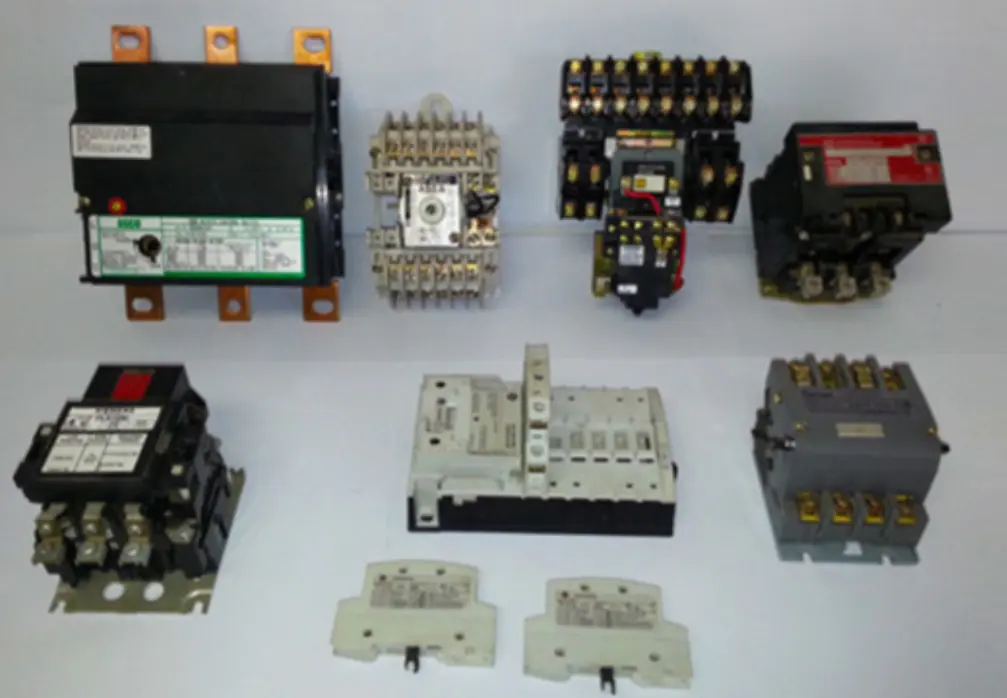
In industrial settings, transformers are crucial in motor control applications. They provide the appropriate voltage and current levels necessary for operating motors efficiently, preventing overheating and extending the lifespan of the equipment. Using transformers in motor control circuits also helps in starting and stopping motors safely, enhancing operational reliability.
Conclusion
Industrial electrical transformers are foundational components in the electrical landscape, playing a critical role in voltage regulation, power distribution, and motor control. By understanding their key components and functions, professionals can make informed decisions when selecting transformers for their specific applications.
Whether you are sourcing components for a new project or maintaining existing electrical systems, collaborating with a reliable electrical parts supplier is essential. Their expertise can help you navigate the complexities of the electrical wholesale industry, ensuring you acquire high-quality transformers tailored to your needs.
As technology advances, the efficiency and functionality of electrical transformers will continue to evolve, making it essential for professionals to stay informed and adapt to the latest developments. Embrace the knowledge of industrial electrical transformers, and ensure your systems operate at their best!