
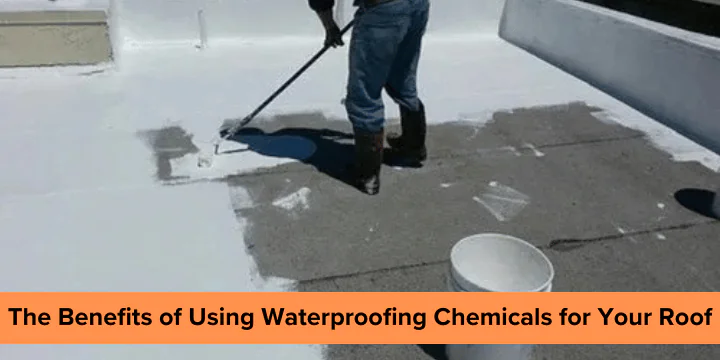
Waterproofing your roof is a crucial aspect of maintaining the integrity of your home. One of the most effective methods to achieve this is by using waterproofing chemicals specifically designed for roofs. These chemicals form a protective barrier that prevents water penetration, thus safeguarding your property from water damage. In this article, we will explore the numerous benefits of using waterproofing chemicals for your roof and provide best practices for their application.
1. Enhanced Protection Against Leaks
One of the primary benefits of waterproofing chemicals is their ability to prevent leaks. Roof leaks can lead to significant water damage, including mold growth, structural deterioration, and damage to insulation and ceilings. By applying waterproofing chemicals, homeowners can create a robust barrier that effectively stops water from infiltrating the roof, ensuring that your home remains dry and secure.
2. Increased Longevity of Roof Materials
Waterproofing chemicals contribute to the longevity of roofing materials. Without proper protection, roofs are vulnerable to moisture, which can lead to premature aging and deterioration. By using waterproofing chemicals, homeowners can extend the lifespan of their roofs, reducing the need for frequent repairs and replacements. This not only saves money but also minimizes disruption to your home.
3. Cost-Effective Solution
Investing in waterproofing chemicals is a cost-effective solution for roof maintenance. While the initial cost of application may seem high, it is a small price to pay compared to the potential expenses associated with water damage repairs. Waterproofing your roof can help avoid costly repairs, mold remediation, and structural repairs, ultimately saving you money in the long run.
4. Energy Efficiency
Waterproofing chemicals can also contribute to improved energy efficiency in your home. Many of these products reflect sunlight, helping to keep your home cooler during hot weather. By reducing heat absorption, waterproofing chemicals can lower your air conditioning costs, leading to additional savings on energy bills. This makes waterproofing not only a protective measure but also an energy-efficient solution.
5. Mold and Mildew Prevention
Moisture accumulation on roofs can lead to mold and mildew growth, which poses health risks to your family. Waterproofing chemicals create a barrier that prevents water penetration, significantly reducing the chances of mold growth. This is especially important in humid climates, such as in Nepal, where moisture can easily accumulate and cause health hazards. By using waterproofing chemicals, you can ensure a healthier living environment for your family.
6. Versatility of Application
Waterproofing chemicals are versatile and can be applied to various roofing materials, including concrete, asphalt, metal, and shingles. This flexibility allows homeowners to choose the right product based on their roofing type and specific needs. Additionally, waterproofing chemicals can be used in various applications, such as on flat roofs, pitched roofs, and around roof penetrations like vents and chimneys.
7. Easy Application Process
Many waterproofing chemicals are user-friendly and can be easily applied by homeowners or professionals. Liquid waterproofing products typically come in ready-to-use formats that can be brushed, rolled, or sprayed onto the roof surface. This ease of application reduces labor costs and makes it accessible for DIY enthusiasts. However, it is essential to follow the manufacturer’s instructions for optimal results.
8. Environmental Considerations
Modern waterproofing chemicals are often formulated to be environmentally friendly. Many products are low in volatile organic compounds (VOCs), making them safer for both the environment and the occupants of the home. When choosing a waterproofing chemical, look for eco-friendly options that provide effective protection without harming the environment.
Best Practices for Applying Waterproofing Chemicals
To maximize the benefits of waterproofing chemicals, follow these best practices during application:
1. Surface Preparation
Before applying waterproofing chemicals, ensure that the roof surface is clean, dry, and free from debris. Remove any dirt, leaves, or old roofing materials that may hinder adhesion. Repair any existing damage, such as cracks or holes, to ensure a smooth application.
2. Choose the Right Product
Select a waterproofing chemical that is suitable for your roofing material and climate. Research different products and read reviews to find the best fit for your needs.
3. Follow Manufacturer Instructions
Always adhere to the manufacturer’s guidelines for application. This includes recommended coverage rates, drying times, and weather conditions for optimal results.
4. Use Protective Gear
When applying waterproofing chemicals, wear appropriate protective gear, including gloves, goggles, and a mask, to avoid skin irritation and inhalation of fumes.
5. Regular Maintenance
After application, conduct regular inspections of your roof to ensure that the waterproofing chemicals are performing as expected. Look for signs of wear or damage and reapply as needed to maintain protection.
Conclusion
Using waterproofing chemicals for your roof is a vital step in safeguarding your home from water damage. With benefits such as enhanced protection against leaks, increased longevity of roofing materials, and cost savings, investing in waterproofing chemicals is a wise decision for homeowners. By following best practices for application and maintenance, you can ensure that your roof remains durable and protected for years to come. Don’t wait for leaks to appear—take proactive measures to protect your investment today.