
For small businesses, choosing where to invest a limited marketing budget can be challenging. Two of the most common digital marketing options are pay-per-click advertising and search engine optimization (SEO). Both can increase online visibility, attract potential customers, and generate leads, but they work in very different ways.
PPC provides businesses with the opportunity to gain visibility quickly through paid advertisements, while SEO focuses on improving organic search rankings over time. Google explains that PPC can provide immediate visibility and flexible targeting, whereas SEO is designed to improve organic visibility and build long-term search presence.
So, which is better for a small business? The answer depends on its goals, budget, competition, and how quickly it needs results.
Understanding PPC and SEO
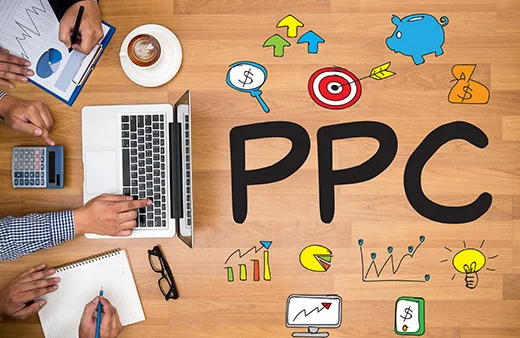
PPC is a paid advertising model in which businesses bid on relevant search terms and pay when users click their advertisements. With well-managed PPC Services, a business can target specific keywords, locations, audiences, devices, and schedules. This level of control makes paid advertising particularly useful when a company needs traffic or leads quickly.
SEO, on the other hand, involves improving a website’s content, structure, technical performance, and authority so it can appear more prominently in unpaid search results. Unlike PPC, SEO does not require a payment every time someone clicks an organic listing. However, it generally requires more time before substantial results become visible.
Speed: PPC Has the Advantage
One of the biggest advantages of PPC is speed. Once campaigns, advertisements, targeting, and landing pages are properly configured, businesses can begin receiving relevant visitors relatively quickly.
This makes PPC useful for businesses promoting:
- Limited-time offers
- New products or services
- Seasonal promotions
- Special events
- Newly launched websites
- Services that need immediate leads
For example, a local service provider that needs inquiries this month may find paid search more practical than waiting several months for organic rankings to improve.
SEO requires patience. A business must create useful content, optimize its website, build authority, and continually improve its online presence. Depending on competition and the website’s starting position, meaningful organic growth can take months.
Long-Term Value: SEO Takes the Lead
While PPC is excellent for immediate visibility, SEO can provide stronger long-term value.
With PPC, traffic is closely tied to advertising expenditure. When campaigns are paused, the paid traffic generated by those campaigns generally stops. SEO works differently. Once a website establishes strong organic rankings, its pages can continue attracting visitors without a direct cost for every click.
This does not mean SEO is free. Businesses still need to invest in content creation, technical improvements, website maintenance, research, and other optimization activities. However, successful SEO can create a valuable digital asset that continues generating traffic over time.
For small businesses planning sustainable growth, PPC Services can therefore complement SEO rather than replace it.
Budget Considerations
Budget is often the deciding factor for small businesses.
PPC requires ongoing advertising expenditure. The cost of each click can vary considerably depending on the industry, keyword competition, location, and targeting. A poorly optimized campaign can consume a budget quickly without producing enough qualified conversions.
SEO generally requires an upfront and ongoing investment in optimization and content. Its financial benefits may take longer to appear, but organic traffic does not carry a per-click advertising charge.
Instead of asking which channel is cheaper, small businesses should ask which channel produces the better return for their specific objectives. A campaign that generates ten highly qualified leads can be more valuable than one that produces hundreds of low-quality visitors.
Targeting and Control
PPC offers extensive control over who sees advertisements and when they appear. Businesses can adjust locations, schedules, keywords, audiences, devices, budgets, and advertisements based on campaign performance.
That flexibility can be particularly valuable for small companies serving specific geographic areas. A local business can focus advertising on customers within selected locations rather than spending its entire budget on a broad audience.
SEO offers less immediate control over when and where a page appears. Search engines determine organic rankings based on numerous factors. However, SEO can capture a broader range of searches by creating useful content around different customer needs and stages of the buying journey.
Which Strategy Builds Trust?
Organic search visibility can help businesses establish credibility because users encounter a website naturally while researching a problem, product, or service. Helpful content can also demonstrate expertise before a visitor becomes a customer.
PPC can build visibility quickly, but users recognize paid placements as advertisements. This does not make them ineffective; rather, businesses need compelling ad copy, relevant landing pages, and a strong value proposition to turn paid visitors into customers.
The best PPC Services strategies focus not simply on generating clicks but on attracting the right users and giving them a clear reason to take action.
What About PPC Packages?
For businesses that want structured paid advertising support, PPC Packages may combine services such as campaign setup, keyword research, ad creation, bid management, conversion tracking, and performance reporting. The right package should match the business’s advertising goals rather than simply offering the largest number of services.
Before choosing a package, small businesses should understand what is included, how performance will be measured, and whether the strategy can be adjusted as campaign data becomes available.
When Should a Small Business Choose PPC?
PPC may be the better starting point when:
- Immediate leads or sales are a priority.
- The business has a time-sensitive promotion.
- Organic rankings are currently weak.
- The company wants to test keyword demand quickly.
- A new product or service needs immediate exposure.
- The business operates in a highly competitive search market.
A well-managed campaign can also provide valuable information about which search terms and messages attract customers. That information can later help guide SEO content and landing-page strategies.
When Is SEO the Better Choice?
SEO may be more suitable when:
- The business wants sustainable organic traffic.
- There is a longer marketing timeline.
- The website has valuable content opportunities.
- The company wants to reduce reliance on paid traffic.
- Customers regularly research products or services before buying.
- The business wants to build authority within its industry.
SEO is particularly powerful when a company can consistently produce genuinely useful content and improve its website over time.
Why Combining PPC and SEO Can Be Smart
The choice does not always have to be either PPC or SEO. In many cases, using both creates a stronger marketing system.
PPC can provide immediate traffic while SEO develops. At the same time, data from paid campaigns can reveal high-performing keywords, advertisements, and customer interests. Those insights can inform organic content.
Meanwhile, strong organic rankings can reduce dependence on paid traffic for certain searches. Businesses can then use advertising budgets more selectively for highly competitive, high-intent, seasonal, or strategically important keywords.
This combined approach allows PPC Services and SEO to support different stages of the customer journey rather than forcing one channel to do everything.
How Small Businesses Can Decide
The right decision should begin with four questions:
How quickly are results needed?
If leads are needed immediately, PPC may be more appropriate.
What is the long-term goal?
Businesses seeking sustainable organic visibility should prioritize SEO.
How competitive is the market?
High competition can affect both paid advertising costs and the difficulty of achieving organic rankings.
What is the available budget?
Businesses should consider not only monthly spending but also the expected customer acquisition cost and lifetime customer value.
Instead of choosing based on popularity, small businesses should compare each channel against measurable business objectives.
Final Verdict
So, is PPC or SEO better for small businesses? Neither is universally better. PPC is generally stronger for speed, targeting, testing, and immediate visibility, while SEO is stronger for long-term organic growth, authority, and sustainable search visibility. Current comparisons similarly emphasize that the right choice depends on business stage, budget, goals, and timeline.
For many small businesses, the smartest approach is to use both strategically. PPC can generate immediate opportunities while SEO builds a stronger foundation for the future. By tracking conversions, controlling costs, improving website quality, and continuously evaluating results, a small business can create a balanced search marketing strategy that supports both short-term performance and long-term growth.
FAQs
Is PPC better than SEO for a new small business?
PPC can be useful for a new business that needs immediate visibility and leads. However, SEO should also be considered early because building organic visibility takes time.
How long does SEO take to produce results?
SEO timelines vary based on competition, website quality, content, authority, and other factors. Meaningful progress often takes months rather than days.
Does PPC improve SEO rankings?
No. Paid search advertising does not directly improve a website’s organic search ranking. Google specifically distinguishes paid advertising from organic search ranking systems.
Can a small business use PPC and SEO together?
Yes. Combining the two can provide immediate paid visibility while organic search efforts develop. PPC data can also help businesses understand which keywords and offers generate valuable customer actions.
Which strategy has the better long-term ROI?
SEO can offer strong long-term value because successful organic rankings can continue attracting visitors without a direct cost for every click. However, actual ROI depends on industry, competition, execution, conversion rates, and customer value.
Should a small business stop PPC after SEO starts working?
Not necessarily. PPC can remain valuable for competitive keywords, seasonal campaigns, promotions, and high-intent searches. The business should adjust its advertising budget according to measurable performance rather than stopping automatically.