

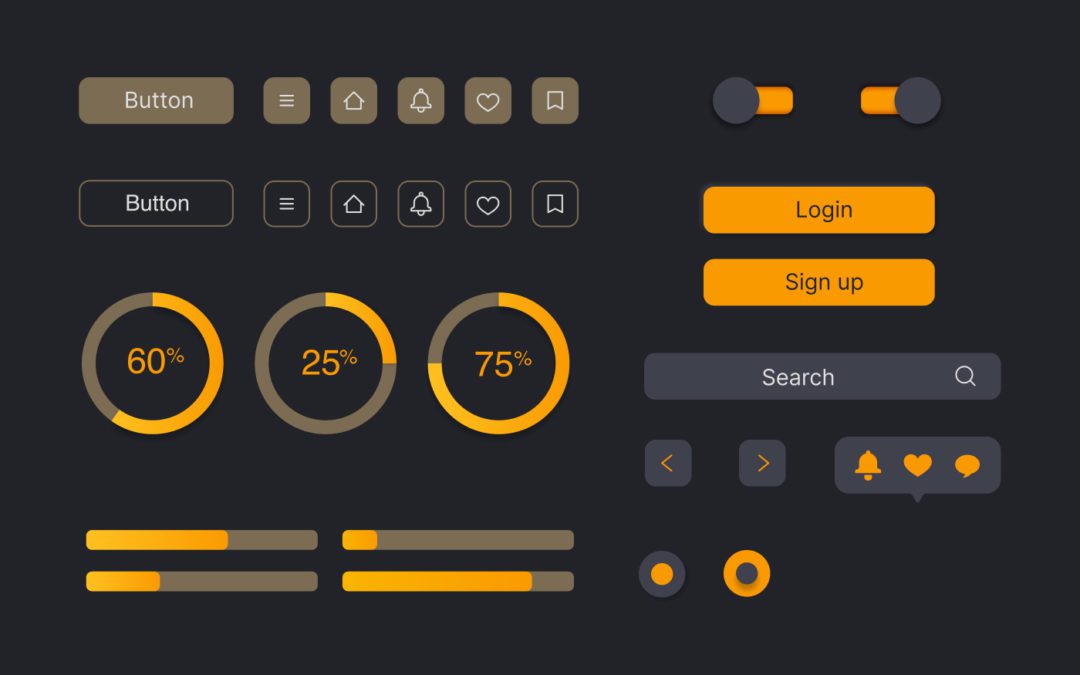
When it comes to designing interfaces, it’s the little things that make all the difference. In this article, we’ll discuss four important UI elements of interfaces, and how they impact the user experience of a product or service. You’ll learn about the right way to implement these features in your design, as well as some common mistakes to avoid along the way.
Visual Hierarchy
An interface’s visual hierarchy is the arrangement of its visual elements in a way that reflects their importance. In other words, it’s the order in which our eyes are drawn to elements on a screen. A well-designed interface will have a clear visual hierarchy that guides users’ attention to the most important elements first.
Clear Roles and Responsibilities
In any interface, there should be a clear delineation of roles and responsibilities between the user and the system. The user should know what they can expect from the system, and the system should know what it needs to do to meet the user’s expectations. Without this clarity, the interface will be confusing and frustrating for both parties.
Consistency
A remarkable interface is one that is consistent throughout. All the elements on the page should work together to create a cohesive experience for the user. This means using similar colors, fonts, and other design elements throughout the site. It also means avoiding clashing background images or other visuals. Users are more likely to be engaged with a website if it’s not hard for them to figure out what it’s about or where they are in the process, which makes consistency important in any type of interface.
Color, Typography, & Space
Color is one of the most important aspects of any interface. It can set the tone and feeling of your app or website, and it can be used to guide users through your design. Typography is also a critical aspect of UI design. Whether you’re using a font family that matches your brand’s logo or creating something custom for your project, typography should not be overlooked. Finally, space is just as important as the other two elements. If you don’t use enough white space in your designs, there will be too much clutter on screen and nothing will stand out. Similarly, if there’s too much white space on screen without anything filling it up, then there won’t be any point in having those spaces at all.
Conclusion
User interface design is critical to the success of any software application. A well-designed UI can make the difference between a user loving your app and hating it. If you’re not a designer, that’s okay. There are plenty of great UI/UX design agencies out there that can help you create a remarkable interface for your app.