
When your industrial scale starts producing unstable readings, it is easy to assume the problem is minor. You may notice the displayed weight fluctuating, the zero point drifting, or the same load producing slightly different results. However, these changes can be early warnings that a critical component is beginning to fail.
A scale rarely goes from perfect operation to complete failure without showing signs of deterioration. By recognizing unstable readings early, you can investigate the underlying problem, protect measurement accuracy, and reduce unexpected downtime. If you operate equipment in Houston, timely Scale Repair Houston services can help you address these warning signs before they become more expensive failures.
What Does an Unstable Scale Reading Look Like?
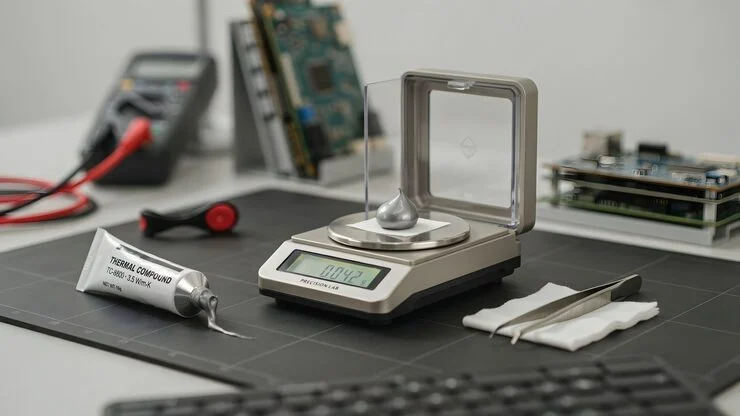
An unstable reading occurs when the displayed weight changes even though the load remains stationary. For example, you may place a container on the platform and see the measurement continuously move up or down instead of settling on a consistent value.
You might also notice:
- The zero reading changes without a load.
- Identical loads produce different measurements.
- Weight readings take unusually long to stabilize.
- The display fluctuates when equipment nearby is operating.
- Readings change after rain, temperature changes, or cleaning.
- Calibration checks become increasingly difficult to pass.
These symptoms do not automatically mean the scale is about to fail. However, they indicate that something affecting the measurement system should be investigated.
Why Do Scale Readings Become Unstable?
Several mechanical, electrical, environmental, and measurement-related problems can cause instability. Industrial Scale & Measurement identifies load-cell degradation, mechanical wear, environmental exposure, electrical problems, and calibration drift among common causes of scale performance issues.
1. Load Cell Deterioration
Load cells convert applied weight into an electrical signal that the indicator interprets as a measurement. When a load cell becomes damaged, fatigued, contaminated, or affected by moisture, its output can become inconsistent.
Repeated heavy loading can contribute to mechanical fatigue. Corrosion and moisture intrusion can also affect performance, particularly when scales operate outdoors or in demanding industrial environments.
If instability appears repeatedly under different loads, load-cell testing should be part of the diagnostic process.
2. Damaged or Loose Wiring
Your scale depends on stable electrical signals moving between load cells, junction boxes, indicators, and other components. A damaged cable, loose connection, corroded terminal, or grounding problem can introduce electrical noise.
This may cause the displayed weight to jump, drift, or fluctuate unexpectedly.
Because electrical problems can resemble load-cell problems, replacing components without proper testing may not solve the underlying issue. A professional inspection can help isolate the actual source.
3. Mechanical Movement
A scale must remain mechanically stable to measure accurately. Worn mounting hardware, damaged supports, platform movement, debris, or alignment problems can change how force reaches the load cells.
For example, a platform that shifts slightly under load may produce inconsistent measurements even when the electronics are functioning correctly.
Regular inspection of the platform, supports, mounting points, and surrounding structure can help you identify mechanical problems before they become major repairs.
4. Environmental Conditions
Houston facilities can expose weighing equipment to humidity, rain, heat, dust, chemicals, and temperature fluctuations. These conditions can accelerate corrosion and affect electrical connections and sensitive components.
Environmental exposure does not always cause immediate failure. Instead, it can gradually weaken the system until unstable readings become noticeable.
Keeping weighing equipment clean, protected, properly drained, and inspected can reduce environmental risks.
5. Calibration Drift
A scale can gradually move outside its expected accuracy range through normal use and environmental stress. If calibration is neglected, you may not recognize the change until measurements become noticeably inconsistent.
Calibration helps determine whether your scale is producing results within the required tolerance. However, calibration should not be treated as a substitute for mechanical or electrical repair. If a component is physically deteriorating, adjusting the calibration alone will not correct the underlying problem.
Why You Should Not Ignore Fluctuating Readings
An unstable reading can affect more than one weighing transaction. If you use the scale for inventory, batching, shipping, production, billing, or quality control, inaccurate measurements can create operational and financial consequences.
For example, inconsistent readings may contribute to incorrect material quantities, shipping discrepancies, production errors, or failed quality checks. Commercial weighing equipment may also need to meet applicable legal and regulatory requirements. NIST Handbook 44 provides requirements and tolerances for many commercial weighing devices, while Texas regulatory requirements may apply depending on the application.
The earlier you investigate instability, the more opportunity you have to correct a developing problem before it interrupts your operation.
What Should You Do When Readings Become Unstable?
Start by documenting when the instability occurs. Note whether it happens with or without a load, at specific weight ranges, during particular shifts, or after exposure to moisture or temperature changes.
You can also check for obvious debris, platform movement, visible cable damage, or unusual physical conditions around the scale. Avoid making unauthorized adjustments to critical components simply to force the display to stabilize.
Next, arrange professional diagnostics. A qualified technician can evaluate load cells, mechanical alignment, wiring, indicators, junction boxes, and calibration performance.
Industrial Scale & Measurement provides professional Scale Repair Houston services for industrial and commercial weighing systems and works with equipment such as truck scales, floor scales, crane scales, and other weighing systems.
You can also review common scale failure warning signs to understand other symptoms that may indicate developing equipment problems.
Prevent Instability From Becoming Downtime
The most effective approach is proactive maintenance. Instead of waiting for your scale to stop working, monitor changes in repeatability, zero stability, calibration performance, and physical condition.
Schedule inspections based on your equipment, operating environment, workload, and accuracy requirements. Keep service and calibration records so you can identify recurring problems and establish useful maintenance intervals.
If your Houston facility depends on accurate weighing, addressing unstable readings early can protect productivity and measurement confidence. Industrial Scale & Measurement offers scale repair, calibration, maintenance, and technical support for businesses that depend on reliable measurement systems.
If your scale is showing inconsistent readings, do not wait for a complete failure. Contact Industrial Scale & Measurement for scale service and repair assistance and discuss the symptoms with the service team.
Frequently Asked Questions
1. Why does my scale fluctuate when the load is stationary?
Fluctuating readings can result from load-cell problems, damaged wiring, electrical interference, mechanical movement, environmental conditions, or calibration drift. A professional diagnostic inspection can determine whether the problem is mechanical, electrical, environmental, or measurement-related.
2. Can an unstable scale still be used?
It depends on the severity and application. If readings cannot stabilize or repeat reliably, continued use may create inaccurate measurements and operational risks. Have the scale inspected before relying on it for critical production, billing, inventory, or compliance decisions.
3. Does calibration fix unstable scale readings?
Calibration can correct certain measurement deviations, but it cannot repair damaged load cells, wiring, mechanical components, or structural problems. If instability has a physical or electrical cause, that issue should be identified and repaired before final calibration.
4. How can I prevent scale instability?
Use appropriate preventive maintenance, keep the equipment clean, inspect cables and mechanical components, protect the system from environmental exposure, and maintain appropriate calibration schedules. Early investigation of drifting or fluctuating readings can also help prevent unexpected failures.
5. When should I call for Scale Repair Houston?
You should arrange professional service when readings repeatedly fluctuate, the zero point drifts, calibration checks fail, the platform moves unexpectedly, or visible damage affects the system. Early Scale Repair Houston intervention can help identify developing faults before they cause significant downtime.