

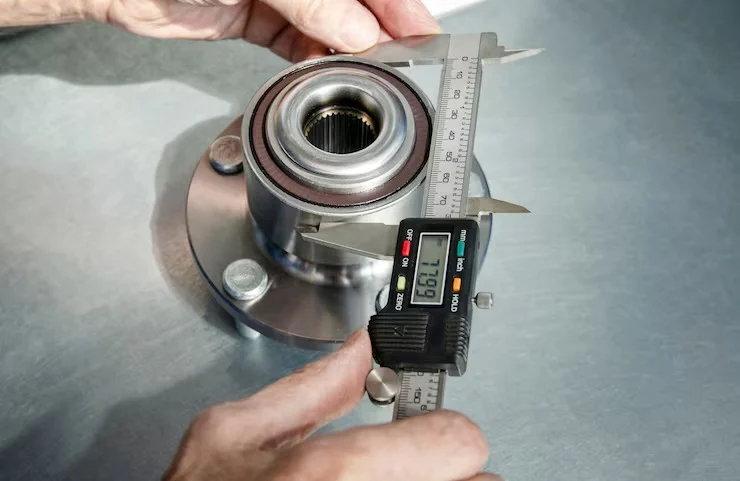
When your business depends on accurate measurements, every reading matters. Whether you work in manufacturing, logistics, food processing, pharmaceuticals, laboratories, or energy, precision equipment supports product quality, workplace safety, and operational efficiency. However, even the most advanced instruments can gradually lose accuracy through everyday use, environmental conditions, and natural wear.
Regular inspections and calibration help you identify small issues before they become expensive problems. By scheduling routine checks, you protect your equipment, maintain compliance, reduce downtime, and improve confidence in every measurement your operation relies on.
Precision Equipment Is Only Reliable When Properly Maintained
You rely on precision equipment to make important operational decisions every day. A slight measurement error may seem insignificant, but even a small deviation can affect production quality, inventory accuracy, customer satisfaction, and regulatory compliance.
Regular checks help you confirm that every instrument continues performing within its required tolerance. Instead of reacting to unexpected failures, you can prevent them through consistent maintenance and verification.
Many businesses mistakenly assume that equipment remains accurate indefinitely after installation. In reality, vibration, temperature changes, humidity, heavy usage, transportation, and aging components gradually influence performance.
Routine inspections allow you to catch these changes before they impact your business.
Small Errors Can Create Large Business Costs
Minor inaccuracies rarely stay minor.
When measurements become unreliable, you may experience:
- Product defects
- Material waste
- Incorrect shipping weights
- Failed quality inspections
- Equipment downtime
- Customer complaints
- Compliance violations
- Increased operating costs
These issues often begin with measurement equipment drifting slightly outside acceptable limits.
Regular performance checks identify these problems early, allowing corrective action before they affect production schedules or customer deliveries.
Calibration Protects Measurement Accuracy
Calibration compares your equipment against certified standards to verify measurement accuracy.
Without scheduled calibration, instruments naturally drift over time. Even equipment that appears to function normally may produce inaccurate results.
Working with experienced professionals that provide Calibration Services Houston TX helps ensure your weighing systems, measurement tools, pressure gauges, torque equipment, and industrial instruments continue delivering dependable performance throughout their service life.
Proper calibration also creates documented records that support audits, inspections, and quality management systems.
Prevent Unexpected Equipment Failures
Unexpected equipment failures rarely happen without warning.
Most instruments gradually show signs of declining performance, including:
- Slower response times
- Inconsistent readings
- Increased measurement variation
- Physical wear
- Electrical instability
- Environmental damage
Routine inspections identify these warning signs before complete failure occurs.
Instead of dealing with emergency repairs during busy production periods, you can schedule maintenance at convenient times that minimize operational disruption.
This proactive approach reduces downtime while extending equipment lifespan.
Improve Product Quality Every Day
Your customers expect consistency.
Whether you manufacture industrial products, package food, distribute materials, or perform laboratory testing, accurate measurements directly affect final product quality.
Routine equipment verification helps you:
- Maintain consistent production
- Reduce rejected products
- Improve process control
- Minimize variation
- Increase customer confidence
Reliable measurement systems support repeatable results from the first product to the last.
Meet Industry Compliance Requirements
Many industries require documented calibration and inspection records.
Regulatory agencies, quality certifications, and customer audits often expect businesses to demonstrate that measurement equipment receives routine verification.
Regular checks help you satisfy requirements for:
- Quality management systems
- Safety programs
- Manufacturing standards
- Laboratory accreditation
- Customer specifications
- Internal quality procedures
Maintaining organized calibration records simplifies audits while reducing compliance risks.
Extend Equipment Service Life
Replacing precision equipment is expensive.
Fortunately, regular maintenance often allows instruments to perform accurately for many years.
Routine inspections identify:
- Loose components
- Mechanical wear
- Environmental contamination
- Sensor degradation
- Electrical issues
- Software inconsistencies
Addressing these problems early prevents additional damage and delays costly equipment replacement.
Preventive maintenance remains one of the most cost-effective investments for businesses relying on measurement accuracy.
Reduce Production Downtime
Downtime affects every department.
When inaccurate equipment interrupts production, the consequences extend beyond repair costs.
You may experience:
- Missed deadlines
- Idle employees
- Delayed shipments
- Production bottlenecks
- Overtime expenses
- Reduced profitability
Routine inspections dramatically reduce unexpected failures by identifying problems before operations stop.
A preventive maintenance schedule keeps production moving efficiently while reducing emergency service calls.
Environmental Conditions Affect Equipment Performance
Precision equipment constantly responds to its surroundings.
Factors that influence accuracy include:
Temperature Changes
Heat and cold cause materials to expand and contract, influencing measurement precision.
Humidity
Moisture may affect sensitive electronic components and sensors.
Dust and Debris
Industrial environments expose equipment to contamination that can interfere with accurate operation.
Heavy Vibration
Machinery vibration gradually shifts mechanical components and impacts measurement stability.
Frequent Transportation
Portable equipment experiences additional wear from repeated movement.
Routine inspections help determine whether environmental conditions are affecting performance.
Employee Confidence Improves With Reliable Equipment
Your employees depend on trustworthy instruments.
When operators question measurement accuracy, productivity slows because staff spend extra time verifying results or repeating measurements.
Reliable equipment provides confidence during:
- Receiving
- Production
- Packaging
- Shipping
- Quality inspections
- Inventory management
Consistent measurements reduce uncertainty while improving overall workflow efficiency.
Build a Preventive Maintenance Schedule
Every business benefits from a structured maintenance plan.
Consider these factors when determining inspection frequency:
Equipment Usage
Frequently used instruments typically require more frequent verification.
Operating Environment
Harsh industrial conditions accelerate equipment wear.
Manufacturer Recommendations
Follow suggested maintenance intervals whenever possible.
Regulatory Requirements
Some industries specify mandatory calibration schedules.
Historical Performance
Equipment with previous calibration drift may require shorter inspection intervals.
A customized maintenance schedule provides better long-term reliability than waiting until problems occur.
Partner With Experienced Measurement Professionals
Choosing the right service provider is just as important as scheduling regular inspections.
Experienced specialists understand:
- Industrial weighing systems
- Laboratory equipment
- Calibration standards
- Preventive maintenance
- Equipment diagnostics
- Regulatory documentation
Partnering with Industrial Scale & Measurement gives you access to knowledgeable professionals who understand how accurate measurements support safe, efficient, and productive operations.
Discover comprehensive industrial measurement solutions from Industrial Scale & Measurement.
Watch for Warning Signs Between Scheduled Checks
Routine inspections remain essential, but you should also monitor equipment during daily operation.
Contact a qualified technician if you notice:
- Inconsistent measurements
- Visible physical damage
- Error messages
- Unstable readings
- Slow response
- Frequent recalibration needs
- Unusual noises
- Unexpected performance changes
Addressing these symptoms early often prevents more expensive repairs later.
Make Precision a Long-Term Business Strategy
Precision isn’t achieved once—it must be maintained continuously.
Regular equipment checks protect every stage of your operation by improving measurement accuracy, reducing downtime, supporting compliance, extending equipment life, and strengthening customer confidence.
Instead of waiting for costly failures, develop a proactive maintenance strategy that keeps your equipment operating at peak performance throughout its entire service life.
If you’re ready to improve measurement reliability, schedule professional inspection and calibration support through the Contact Us page.
Frequently Asked Questions
1. Why should you check precision equipment regularly?
Regular checks detect measurement drift early, improve reliability, reduce downtime, and help maintain consistent product quality before small errors become expensive operational problems.
2. How often should calibration be performed?
Calibration frequency depends on equipment usage, operating conditions, manufacturer recommendations, and regulatory requirements. High-use equipment generally requires more frequent calibration.
3. Can inaccurate equipment affect product quality?
Yes. Even small measurement errors can lead to defective products, wasted materials, inconsistent production, and customer complaints.
4. What are common signs that equipment needs inspection?
Inconsistent readings, slow response, physical damage, repeated calibration failures, unusual error messages, and unstable measurements all indicate the need for professional evaluation.
5. Why is preventive maintenance more cost-effective?
Preventive maintenance identifies issues before equipment fails, reducing repair costs, minimizing production interruptions, extending equipment lifespan, and improving operational efficiency.
