

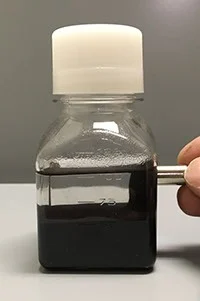
Biomarker detection has become one of the most important processes in modern diagnostics, therapeutic research, and disease monitoring. Whether you work in clinical laboratories, pharmaceutical development, or biotechnology research, you depend on reliable methods to isolate and analyze target molecules with precision. One technology that continues to transform these workflows is magnetic bead-based purification.
When you use advanced Magnetic Beads Protein A systems, you improve antibody capture efficiency, reduce sample loss, and enhance the sensitivity of biomarker detection assays. These advantages help you obtain cleaner results while saving valuable laboratory time.
Modern biomarker research demands speed, reproducibility, and accuracy. Traditional purification approaches often involve multiple centrifugation steps, filtration methods, and lengthy incubation times. These procedures can increase variability and reduce the recovery of low-abundance biomarkers. Magnetic bead technology solves many of these limitations by simplifying sample preparation and improving target enrichment.
Understanding Protein A Magnetic Beads
Protein A is a bacterial cell wall protein known for its strong affinity to the Fc region of immunoglobulin G (IgG) antibodies. When Protein A is immobilized onto magnetic beads, it creates a highly efficient platform for antibody purification and immunoprecipitation.
By using high-performance Magnetic Beads Protein A for sensitive biomarker detection workflows, you can selectively isolate antibodies and antibody-bound targets from complex biological samples such as serum, plasma, cell lysates, and tissue extracts.
The magnetic core enables rapid separation using a magnetic stand instead of centrifugation. This minimizes handling errors and reduces the risk of losing delicate biomarker targets during processing.
Why Biomarker Detection Requires High Sensitivity
In many research and clinical applications, biomarkers may exist in extremely low concentrations. Detecting these molecules accurately requires efficient enrichment and purification techniques.
If your purification process introduces contaminants or causes target loss, your downstream assays may produce inconsistent or false-negative results. This becomes especially critical when working with:
- Cancer biomarkers
- Autoimmune disease markers
- Neurological disease indicators
- Infectious disease proteins
- Therapeutic antibody monitoring
- Early-stage diagnostic targets
Magnetic bead technology helps you improve signal-to-noise ratios by capturing specific antibodies and associated biomarkers with exceptional selectivity.
Faster Sample Processing Improves Workflow Efficiency
One major reason researchers adopt magnetic bead systems is workflow speed. Traditional resin-based purification methods can be labor-intensive and time-consuming. Magnetic separation significantly reduces processing steps.
When you incorporate magnetic beads into your assay development process, you can:
- Eliminate repeated centrifugation
- Reduce manual sample transfers
- Minimize sample contamination
- Improve throughput capacity
- Process multiple samples simultaneously
This efficiency becomes especially valuable in high-volume laboratories where rapid turnaround is essential.
Enhanced Specificity Leads to Better Detection Accuracy
Specificity is critical in biomarker analysis. Non-specific binding can interfere with assay sensitivity and compromise data quality.
Protein A magnetic beads improve specificity because they selectively bind IgG antibodies with high affinity. This selective interaction helps enrich target proteins while removing unwanted contaminants.
Using optimized Magnetic Beads Protein A for antibody purification and biomarker enrichment allows you to generate cleaner samples for downstream applications such as:
- ELISA
- Western blotting
- Mass spectrometry
- Immunoprecipitation
- Flow cytometry
- Proteomic analysis
Cleaner samples result in stronger signals and more reliable biomarker identification.
Reduced Sample Loss Preserves Valuable Biomarkers
Many biomarker studies involve precious or limited samples. Clinical specimens are often difficult to replace, making sample preservation extremely important.
Magnetic bead systems reduce sample loss because separation occurs directly within the same reaction tube. You avoid excessive pipetting and repeated centrifugation steps that can damage or dilute sensitive targets.
This preservation capability is especially beneficial when you work with:
- Rare patient samples
- Small-volume specimens
- Low-expression biomarkers
- Fragile protein complexes
- Limited research materials
Higher recovery rates help you maximize the value of every sample.
Improved Reproducibility Across Experiments
Reproducibility remains a major concern in biomarker research. Small variations in purification methods can create inconsistent results between experiments.
Magnetic bead-based workflows provide standardized separation conditions that improve consistency. Automated magnetic handling systems further reduce operator variability.
By choosing reliable products from Lytic Solutions, LLC advanced protein purification technologies, you can create more reproducible biomarker detection workflows for research and diagnostic applications.
Consistent purification improves confidence in your assay results and supports better experimental validation.
Compatibility With Automation Platforms
Laboratories increasingly rely on automation to improve throughput and reduce human error. Magnetic bead technologies integrate seamlessly with automated liquid handling systems.
This compatibility enables you to:
- Scale biomarker screening projects
- Increase laboratory productivity
- Reduce manual labor
- Standardize assay conditions
- Improve data consistency
Automation-friendly purification methods are essential for large-scale pharmaceutical and clinical studies.
Supporting Advanced Diagnostic Research
As precision medicine continues to evolve, biomarker detection technologies must deliver higher sensitivity and specificity than ever before. Protein A magnetic beads support this demand by enabling efficient target enrichment for advanced diagnostic assays.
Researchers now use magnetic bead platforms in applications such as:
- Cancer immunotherapy research
- Companion diagnostics
- Personalized medicine
- Infectious disease surveillance
- Therapeutic monitoring
- Translational proteomics
The ability to isolate high-quality antibody complexes helps accelerate biomarker discovery and validation.
Choosing the Right Magnetic Beads Matters
Not all magnetic beads perform equally. Bead quality, binding capacity, surface chemistry, and consistency all influence assay performance.
When selecting magnetic bead products, you should evaluate:
- Antibody binding efficiency
- Magnetic responsiveness
- Low non-specific binding
- Batch-to-batch consistency
- Sample compatibility
- Downstream application support
Working with experienced providers ensures you receive reliable products optimized for sensitive biomarker applications.
If you want to improve your biomarker purification workflows and enhance assay sensitivity, Contact us today for expert support and custom solutions tailored to your research needs.
Conclusion
Biomarker detection depends heavily on sample quality, purification efficiency, and assay sensitivity. Protein A magnetic bead technology provides a powerful solution for improving all three areas.
When you use Magnetic Beads Protein A in your workflows, you simplify purification, reduce sample loss, improve specificity, and generate cleaner data for downstream analysis. These advantages help you achieve more accurate biomarker detection while improving laboratory productivity.
As diagnostic and therapeutic research continues advancing, magnetic bead-based purification will remain a critical tool for high-performance biomarker analysis.
FAQs
What are Magnetic Beads Protein A used for?
Magnetic Beads Protein A are primarily used for antibody purification, immunoprecipitation, and biomarker enrichment in research and diagnostic laboratories.
Why do magnetic beads improve biomarker detection?
Magnetic beads improve biomarker detection by enhancing target enrichment, reducing contaminants, minimizing sample loss, and increasing assay sensitivity.
Can Protein A magnetic beads be used in automated systems?
Yes. Protein A magnetic beads are highly compatible with automated liquid handling and high-throughput screening platforms.
Are magnetic bead workflows faster than traditional purification methods?
Yes. Magnetic separation eliminates multiple centrifugation and filtration steps, allowing faster and more efficient sample processing.
Which applications benefit from Protein A magnetic beads?
Applications include ELISA, Western blotting, immunoprecipitation, proteomics, therapeutic antibody analysis, and clinical biomarker research.


