

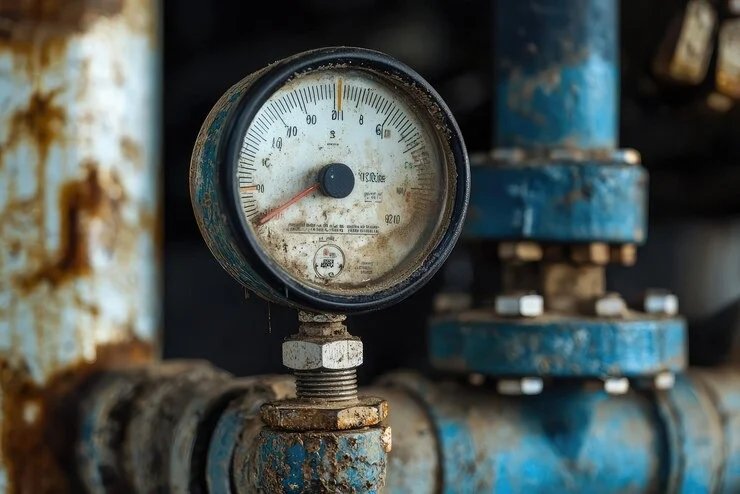
Pressure gauges are widely used across industrial environments to measure, monitor, and control system pressure. From manufacturing plants to energy facilities, these instruments play a critical role in maintaining safety, quality, and efficiency. However, pressure gauges naturally drift over time due to vibration, temperature fluctuations, mechanical stress, and continuous use.
Even a minor deviation in readings can lead to equipment malfunction, unsafe operating conditions, production losses, and regulatory non-compliance. That is why industries depend on professional pressure gauge calibration services for accurate and reliable measurement performance.
Regular calibration ensures your instruments remain precise, traceable, and compliant with industrial standards, helping you maintain operational stability and safety.
Why Pressure Gauge Calibration Is Essential for Industrial Operations
Accurate pressure measurement is not just a technical requirement—it is a core part of safe and efficient industrial operations. When gauges are not properly calibrated, incorrect readings can mislead operators and create costly consequences.
Industries rely on Industrial Scale & Measurement trusted calibration and industrial measurement solutions to ensure equipment accuracy, regulatory compliance, and operational reliability.
Calibration helps you:
- Maintain accurate pressure readings across systems
- Improve workplace and equipment safety
- Reduce unexpected downtime and failures
- Ensure compliance with industry regulations
- Enhance production efficiency and consistency
- Extend the lifespan of critical equipment
Without calibration, even the most advanced systems can become unreliable over time.
Manufacturing Industry
Manufacturing facilities depend heavily on pressure-controlled systems such as hydraulic machines, compressors, pneumatic tools, and automated production lines. These systems require consistent pressure levels to maintain product quality and operational efficiency.
When pressure gauges become inaccurate, production defects, machine breakdowns, and quality inconsistencies may occur. This can significantly impact output and profitability.
Regular calibration ensures stable operations, accurate production control, and reduced downtime. It also supports quality assurance systems that rely on precision measurement at every stage of manufacturing.
Oil and Gas Industry
The oil and gas sector operates in some of the most demanding and high-risk environments. Pressure gauges are used extensively in drilling operations, pipelines, refineries, and storage facilities.
Because these systems operate under extreme pressure conditions, even a slight measurement error can result in serious consequences such as leaks, explosions, equipment failure, or environmental damage.
Routine calibration ensures safe operations, regulatory compliance, and system reliability. It also helps companies meet strict industry safety standards and reduce operational risk.
Chemical Processing Industry
Chemical processing plants handle volatile and sometimes hazardous materials that require precise pressure control to ensure safe chemical reactions.
Incorrect pressure readings can destabilize processes, create unsafe reactions, or damage expensive equipment.
By maintaining properly calibrated instruments, you ensure process stability, worker safety, and consistent product output. Calibration is a critical part of risk management in chemical manufacturing environments.
Pharmaceutical Industry
The pharmaceutical industry demands extremely high accuracy in all stages of production, especially in sterilization, filtration, and controlled manufacturing environments.
Pressure gauges are used to maintain sterile conditions and ensure proper production parameters. Any deviation can compromise product safety and regulatory compliance.
Calibration ensures adherence to GMP (Good Manufacturing Practices) and helps maintain consistent product quality, patient safety, and regulatory approval standards.
Food and Beverage Industry
In food and beverage production, pressure systems are used in packaging, pasteurization, bottling, and refrigeration processes.
Accurate pressure readings ensure proper food processing conditions, maintain hygiene standards, and reduce contamination risks.
Calibration helps maintain consistent product quality, improve operational efficiency, and ensure compliance with food safety regulations. This ultimately supports consumer trust and brand reliability.
Power Generation Industry
Power plants depend on pressure-controlled systems such as boilers, turbines, and steam distribution networks to generate electricity efficiently.
If pressure readings are inaccurate, it can lead to reduced efficiency, equipment strain, or even system failure.
Regular calibration ensures stable energy output, improved safety, and long-term equipment performance. It is a vital part of maintenance in both traditional and renewable energy facilities.
Water and Wastewater Treatment Industry
Water treatment plants rely on pressure gauges to monitor filtration systems, pumping stations, and pipeline networks.
Accurate pressure readings are essential to ensure proper water distribution and treatment efficiency.
Calibration helps maintain clean water supply, system reliability, and compliance with environmental regulations. It also reduces maintenance costs by preventing unexpected system failures.
Aerospace Industry
The aerospace sector requires extremely precise pressure measurements for hydraulic systems, fuel systems, and testing equipment.
Even the smallest measurement error can impact safety-critical operations and system performance.
Calibration ensures that all pressure instruments meet strict aerospace standards, supporting safety, reliability, and engineering precision across all operations.
Automotive Industry
Pressure gauges are widely used in automotive manufacturing and maintenance for engine testing, braking systems, fuel systems, and HVAC components.
Inaccurate pressure readings can affect vehicle safety, performance, and compliance with quality standards.
Calibration ensures accurate diagnostics, consistent testing procedures, and improved vehicle reliability across production and servicing environments.
HVAC Industry
Heating, ventilation, and air conditioning systems depend heavily on accurate pressure readings for refrigerant flow, airflow control, and system efficiency.
Incorrect pressure measurements can lead to energy waste, poor cooling or heating performance, and increased operational costs.
Calibration ensures HVAC systems operate efficiently, reliably, and cost-effectively while maintaining optimal environmental comfort.
Choosing a Reliable Calibration Partner
Selecting the right calibration provider is essential for maintaining long-term accuracy, compliance, and operational reliability.
Partnering with expert industrial calibration and measurement service providers ensures your equipment remains precise, certified, and performance-ready.
If you require professional assistance or want to schedule calibration services, you can easily contact certified calibration experts for support and consultation.
Conclusion
Pressure gauge calibration is a critical requirement across industries where safety, accuracy, and performance are essential. From manufacturing and oil & gas to pharmaceuticals, aerospace, and HVAC systems, every sector depends on precise pressure measurement.
Regular calibration ensures improved safety, reduced downtime, regulatory compliance, and long-term equipment reliability. It is a small investment that prevents major operational risks.
FAQs
What is pressure gauge calibration?
It is the process of comparing a pressure gauge against a certified standard and adjusting it to ensure accurate readings.
Why is calibration important in industrial operations?
It improves safety, ensures measurement accuracy, prevents equipment failure, and supports regulatory compliance.
How often should pressure gauges be calibrated?
Most industries follow annual calibration schedules, although critical systems may require more frequent checks.
Which industries require pressure gauge calibration?
Industries such as manufacturing, oil and gas, pharmaceuticals, food processing, aerospace, HVAC, and power generation require calibration.
Who provides professional calibration services?
Certified providers like Industrial Scale & Measurement offer accurate, traceable, and industry-compliant calibration solutions.