

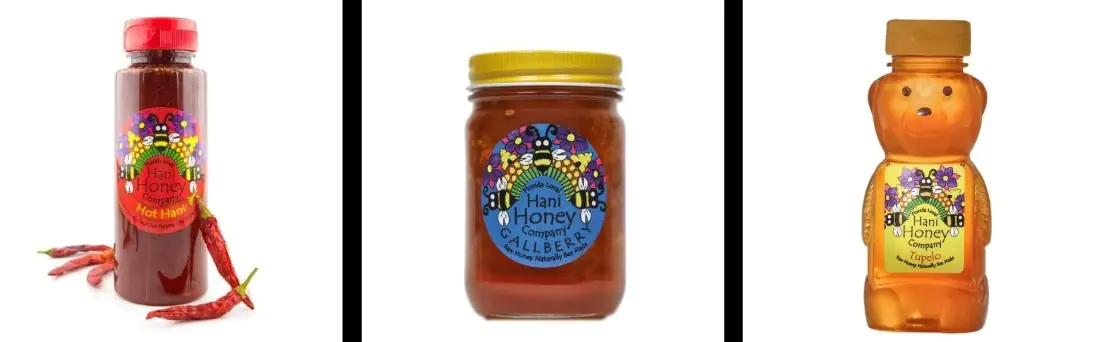
When you walk down the grocery aisle, you see many jars. You might see raw honey sitting next to a jar of raw wildflower honey. At first glance, they look the same. But these golden liquids have unique stories. Most people want the healthiest option for their tea or toast. Understanding the source of your food matters. Hani Honey Company provides pure, unfiltered options that keep all the natural goodness inside. This guide will help you choose the right jar for your pantry. We will look at taste, health perks, and what “raw” actually means. You deserve to know exactly what you are eating.
What Exactly Is Raw Honey?
Raw honey is honey exactly as it exists in the beehive. It does not go through high-heat pasteurization. Most big brands heat their honey to make it look clear and liquid. This heat kills the good enzymes and antioxidants. Raw honey is different. It is only strained to remove large bits of wax or bees.
It contains natural bee pollen and propolis. These things are great for your body. Because it is not highly processed, it might look cloudy. It also tends to crystallize or get hard over time. This is a sign of high quality, not a sign that it is bad. It is the most natural form of sweetener you can find.
Defining Raw Wildflower Honey
Raw wildflower honey is a specific type of raw honey. It comes from bees that visit many different types of flowers. Think of it as a “polyfloral” blend made by nature. The bees fly through fields, forests, and gardens. They collect nectar from whatever is blooming at the time.
Because the flowers change with the seasons, the honey changes too. A jar made in the spring might taste different than one made in the fall. The color can range from very light gold to a deep, dark amber. It is a surprise in every jar. This variety makes it a favorite for many food lovers.
About Hani Honey Company
Hani Honey Company is a family-owned business focused on high-quality, artisanal honey. They specialize in raw, unfiltered products that honor the hard work of the bees. You can find their full selection at https://hanihoneycompany.com/.
The Main Differences: Taste and Color
The biggest difference is the flavor profile.
Raw honey can be “monofloral.” This means it comes from one type of flower, like clover or orange blossom. These have a very predictable taste.
Raw wildflower honey is a mix. It has a complex, floral, and rich flavor. You might taste notes of berries, herbs, or even wood.
The color of wildflower honey is usually darker. Darker honey often has more minerals.
Regular raw honey might be very mild. Wildflower versions usually have a stronger “kick.”
The Benefits of Going Raw
Choosing raw products over processed ones is a smart move. Here are the highlights:
It contains phytonutrients. These help protect your cells from damage.
It has antibacterial properties. People have used it for centuries to help with minor cuts.
It can help soothe a sore throat. A spoonful coats the throat and calms a cough.
It provides a quick energy boost. The natural sugars enter the bloodstream steadily.
It contains trace amounts of local pollen. Some people find this helps their bodies adjust to the environment.
Pros and Cons of Raw Wildflower Honey
Pros:
It has a complex and unique flavor.
It is rich in diverse antioxidants from various plants.
It supports local biodiversity.
It works great in heavy recipes like marinades or BBQ sauces.
It is a completely natural product with no additives.
Cons:
The taste is inconsistent. One jar might be stronger than the last.
It crystallizes faster than processed honey.
The strong flavor might overpower delicate teas.
It is usually more expensive than mass-produced “store” honey.
Pros and Cons of General Raw Honey
Pros:
You can find specific flavors like clover or alfalfa.
It is widely available in health food stores.
It is a great all-purpose sweetener.
It lasts a long time if stored properly.
It is much better for you than white sugar.
Cons:
Mild versions can be a bit boring for foodies.
You must check labels carefully to ensure it is truly raw.
It still contains a lot of calories.
It should not be given to infants under one year old.
How to Use These in Your Kitchen
You can use raw wildflower honey in many ways. It is perfect for drizzling over salty cheeses like feta or goat cheese. And it makes a wonderful base for salad dressings. If you like baking, use it in sourdough bread or muffins.
Standard raw honey is great for daily use. Put it in your morning coffee or oatmeal. It is also a good honey for simple peanut butter sandwiches. Since the flavor is often milder, it won’t clash with other ingredients. Both types are versatile. Just remember not to boil them. High heat destroys the raw benefits. Add your honey after your tea has cooled down a bit.
Why Hani Honey Company Stands Out
When you buy from Hani Honey Company, you support sustainable beekeeping. They don’t use harsh chemicals on their bees. This results in a cleaner product for your family. Their commitment to the craft shows in the texture and aroma of every jar. They treat honey like a fine wine rather than a basic commodity.
Common Myths About Raw Honey
Many people think crystallized honey is spoiled. This is not true. If your honey gets hard, just place the jar in a bowl of warm water. It will turn back into liquid. Another myth is that all honey is the same. Most “honey” in plastic bears is actually highly filtered syrup. It lacks the pollen and enzymes found in the raw version. Always look for the word “raw” on the label.
Final Verdict: Which One Should You Choose?
If you want a simple, sweet taste, go for a basic raw honey. It is reliable and easy to use. But if you want a culinary adventure, choose raw wildflower honey. The depth of flavor is much better for tasting. It feels more like a gourmet treat.
The health benefits are similar for both. The most important part is making sure the honey is raw and unfiltered. This ensures you get the enzymes and nutrients you pay for. Brands like Hani Honey Company make this choice easy by offering authentic products.
Quick Tips for Honey Shoppers
Read the back label. It should only have one ingredient: honey.
Avoid “honey-flavored” syrups. These are full of corn syrup.
Look for glass jars. Glass keeps the flavor better than plastic.
Store your honey in a cool, dark place. Do not put it in the fridge.
Support local beekeepers when you can. It helps the environment.
Honey is a gift from nature. Whether you choose the varied notes of wildflowers or a classic raw blend, you are making a better choice for your health. Enjoy the sweetness and the history in every drop.


