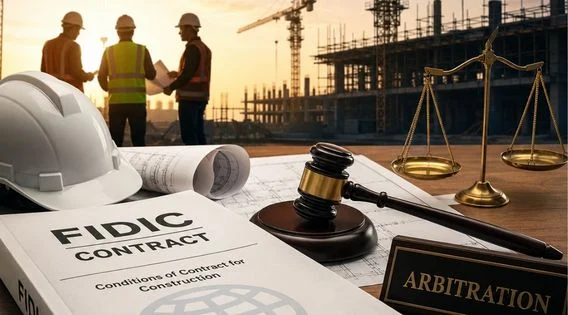


Few sectors generate disputes as varied, technically dense or geopolitically charged as metals and mining. A single mine may sit at the intersection of a state concession, a joint venture agreement, an offtake contract, an environmental permit and a bilateral investment treaty, and a dispute arising from any one of these instruments can ripple through all the others. The arbitrator called upon to resolve such a dispute must therefore be equally comfortable with contract interpretation, industry practice and public international law. This is the terrain in which a metal dispute arbitrator works, moving fluidly between commercial and treaty-based frameworks as a single project’s fortunes rise and fall.
The Concession as Starting Point
Most mining disputes begin at the point where a state grants and later reconsiders access to a resource. Concession agreements, mining licenses and production-sharing contracts allocate rights and obligations between host governments and operators, often over decades and across changes in government, commodity price and public sentiment. Renegotiation, suspension or outright revocation of a concession is rarely a purely legal event; it tends to follow shifts in resource nationalism, environmental policy or local community relations. When such a shift occurs, the resulting dispute frequently turns on questions the tribunal must resolve without the benefit of a tidy factual record: what was actually promised at the outset, what regulatory changes were foreseeable and whether the state’s conduct crossed the line from legitimate policy-making into a breach of contract. Arbitrators handling this end of the sector often engaged as a mining dispute arbitrator on the strength of prior concession-related awards spend considerable time reconstructing the commercial logic of agreements signed long before the dispute arose.
Commercial Disputes: Joint Ventures, Offtake, and Supply Chains
Beneath the concession sits a dense layer of purely commercial arrangements. Joint ventures between international operators and local partners allocate control, funding obligations and profit shares in ways that can become contentious as a project’s economics shift. Offtake agreements, which commit a mine’s output to a buyer years in advance, are especially sensitive to commodity price swings. A buyer locked into an above-market price or a seller locked into a below-market one has every incentive to look for a way out. Add to this the disputes that arise further down the chain, among traders, smelters and shippers moving concentrate and refined metal across borders, and it becomes clear why an export import dispute arbitrator with genuine familiarity with commodity trading practice is often better placed to resolve these matters than a generalist. Technical evidence, assay results, force majeure clauses tied to port closures, and quality specifications tend to dominate these proceedings, and an arbitrator’s credibility with the parties often rests on demonstrated fluency with the underlying trade.
When a Commercial Dispute Becomes a Treaty Claim
The line between a commercial grievance and an investment treaty claim is not always where the parties expect to find it. A state’s decision to cancel a license, impose a new royalty regime or nationalize an asset outright can trigger both a breach-of-contract claim under the underlying concession and a separate claim for expropriation or unfair treatment under an applicable investment treaty. Increasingly, foreign investors in the sector are turning to treaty protections as a parallel or alternative route to relief, particularly where a stabilization clause in the original agreement has proven difficult to enforce through ordinary contract remedies. This is where the work of an investment treaty dispute arbitrator becomes central: assessing whether regulatory measures were bona fide exercises of a state’s sovereign authority or whether they crossed into a taking that international law does not permit, all while giving appropriate weight to the host state’s legitimate right to regulate in the public interest. These cases demand a different register from ordinary commercial arbitration, one informed by decades of investor-state jurisprudence on fair and equitable treatment, legitimate expectations and proportionality.
What the Role Actually Demands
Sitting across concession disputes, commercial claims and treaty arbitration within a single career, sometimes within a single project, requires more than procedural competence. It requires genuine sector literacy: an understanding of how mine economics work, how commodity markets move and how governments actually regulate extractive industries in practice rather than in theory. It also requires the discipline to keep each legal framework distinct even when the underlying facts overlap, since a tribunal that blurs contract analysis with treaty analysis risks an award that neither survives challenge nor commands respect from the parties. The best arbitrators in this space bring technical curiosity to unfamiliar evidence, procedural even-handedness to parties operating across very different legal cultures and enough patience to see a dispute through what is often a multi-year, multi-forum process.
Metal and mining disputes will keep testing this range, particularly as the energy transition accelerates demand for critical minerals and draws new capital, new states and new points of friction into the sector. For those weighing appointments in this space, arbitrators accepting appointment as sole arbitrator across commercial and treaty-based mining disputes remain in steady demand, a reflection of how few practitioners combine fluency in both worlds.