

Environmental Considerations: Sustainable Trekking on the Annapurna Circuit and Tilicho Lake Route
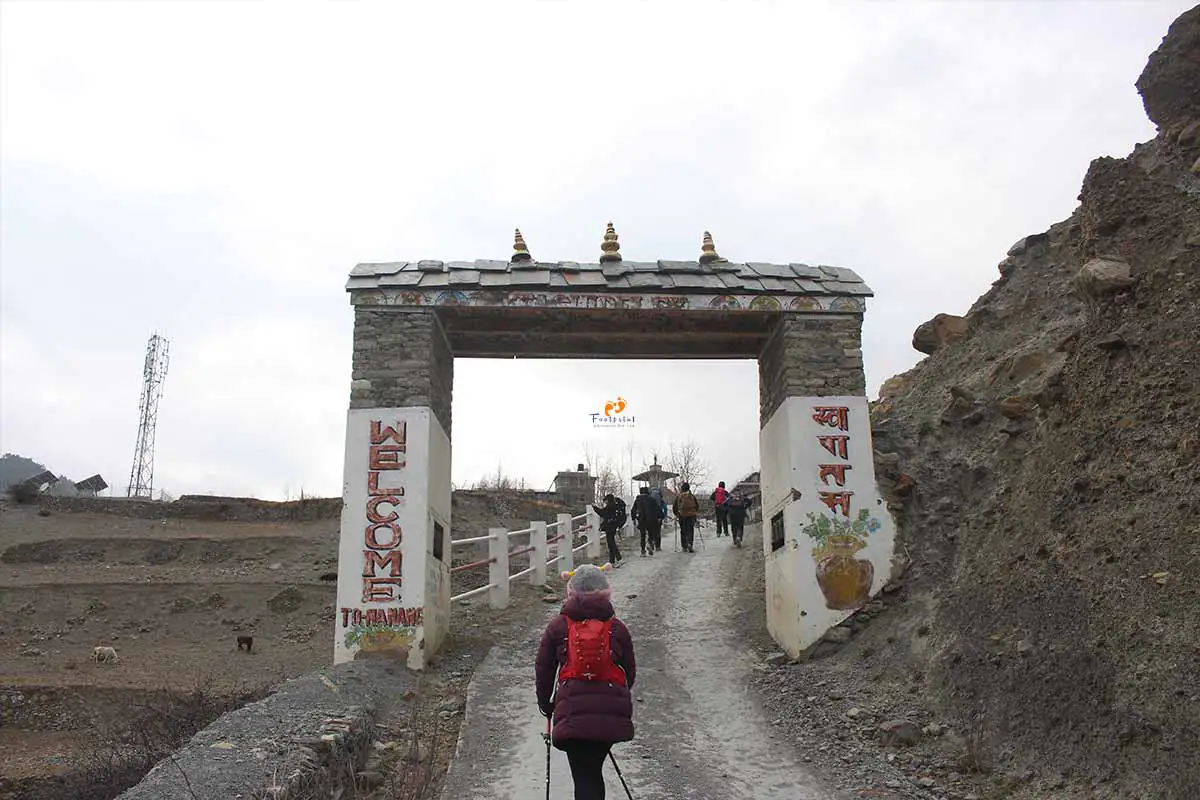
Trekking in the Himalayas is a dream for many adventurers, and the Annapurna Circuit with Tilicho Lake Trek is undoubtedly one of the most rewarding journeys. With its breathtaking landscapes, cultural diversity, and the pristine Tilicho Lake—the world’s highest lake—this trek is a bucket-list experience. However, with the rising number of trekkers, the impact on the environment has increased. As responsible travelers, we must prioritize sustainable trekking practices to preserve this natural wonder for future generations.
Understanding the Environmental Impact of Trekking
Trekking brings both positive and negative consequences to the environment. While it boosts the local economy and promotes cultural exchange, it also leads to deforestation, waste accumulation, and water pollution. The high-altitude regions of Nepal, including the Annapurna Conservation Area, are particularly sensitive due to their fragile ecosystems. Without mindful trekking practices, these areas face long-term environmental degradation.
Sustainable Trekking Practices
1. Choose Eco-Friendly Trekking Agencies
Selecting a responsible trekking agency is the first step toward sustainable travel. Look for companies that follow eco-conscious guidelines, minimize their footprint, and support local communities. Agencies like Footprint Adventure are known for their ethical and sustainable trekking practices, ensuring that your journey leaves a positive impact.
2. Stick to Established Trails
Straying off marked trails can cause soil erosion and damage fragile alpine vegetation. The designated trails of the Annapurna Circuit with Tilicho Lake Trek are designed to minimize environmental disruption while providing a safe and rewarding experience for trekkers. Respecting these trails helps preserve the delicate ecosystem.
3. Reduce Plastic Waste
One of the major environmental concerns on the Annapurna Circuit is plastic waste. Many trekkers rely on bottled water, leading to excessive plastic pollution. Instead:
- Carry a reusable water bottle with a filtration system or purifying tablets.
- Refill at safe drinking water stations available in teahouses along the route.
- Avoid single-use plastics and opt for biodegradable packaging.
4. Practice Responsible Waste Management
Many remote villages in Nepal lack proper waste disposal systems. To reduce your footprint:
- Carry a reusable bag to pack out non-biodegradable waste.
- Avoid disposable wet wipes and use biodegradable soap for personal hygiene.
- If trekking with a guide, inquire about waste disposal and sustainable practices.
5. Respect Local Communities and Culture
The Annapurna Circuit passes through diverse ethnic villages, each with unique traditions. Sustainable trekking also means respecting local customs and contributing positively to these communities. Before your trek, check out Annapurna Circuit Trek Guide/Guidebook: What to Expect to better understand the route, cultural etiquette, and preparation tips.
6. Use Energy-Efficient Accommodations
Teahouses along the Annapurna Circuit rely heavily on firewood for heating, which contributes to deforestation. To minimize your impact:
- Use solar-powered or electric heating where available.
- Carry a warm sleeping bag to reduce reliance on extra heating.
- Support lodges that adopt eco-friendly practices.
7. Eat and Drink Sustainably
Support local farmers and reduce your carbon footprint by eating local, plant-based foods. Opting for dal bhat (a traditional Nepali dish) over imported packaged foods helps sustain local agriculture while minimizing waste. Similarly, avoid excessive consumption of meat at high altitudes, as it requires transportation from lower regions, adding to the environmental burden.
8. Travel in Small Groups
Large trekking groups create more strain on natural resources and local infrastructure. Traveling in small groups ensures minimal impact on trails, water sources, and accommodation facilities.
9. Offset Your Carbon Footprint
Air travel and transportation contribute significantly to carbon emissions. Consider offsetting your carbon footprint by donating to reforestation projects or conservation programs in Nepal. Some organizations work to plant trees and protect endangered species in the Himalayas.
Conclusion: Be a Responsible Trekker
Trekking the Annapurna Circuit with Tilicho Lake Trek is a privilege, and with privilege comes responsibility. By choosing sustainable practices—such as reducing waste, respecting local culture, and supporting ethical trekking agencies like Footprint Adventure—you contribute to the preservation of this breathtaking region.
As adventurers, we have the power to make a positive impact on the Himalayas. Let’s ensure that future generations can continue to experience the magic of the Annapurna Circuit in its untouched beauty. Happy trekking!
Also Read our blog: “Cultural Encounters on the Annapurna Circuit: Experiencing Local Traditions and Communities”: https://articlesjust4you.com/cultural-encounters-on-the-annapurna-circuit-local-traditions-and-communities-footprint-adventure/

