

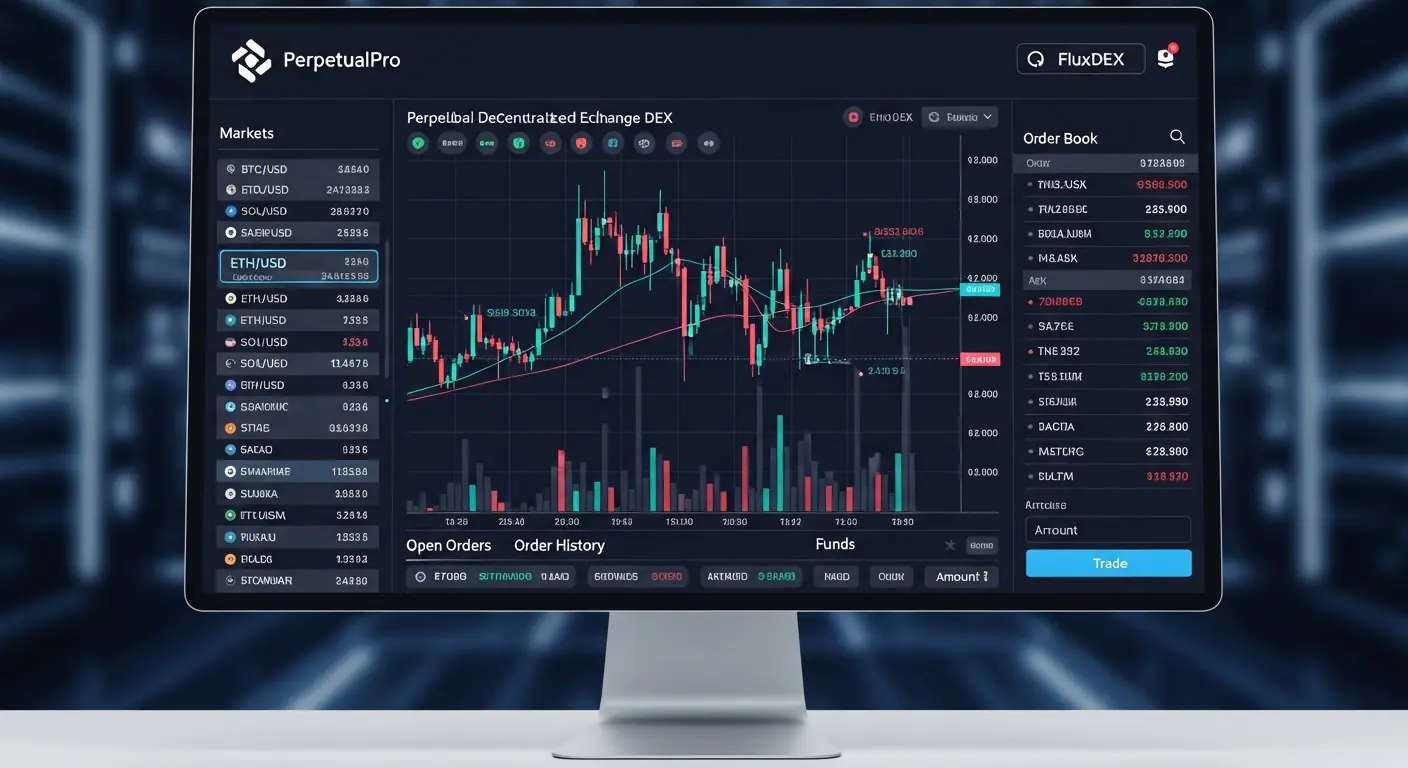
The global cryptocurrency market has evolved from a niche technological experiment into a multi-trillion-dollar financial ecosystem, attracting millions of users worldwide. Daily trading volumes consistently reach tens of billions of dollars, spanning spot trading, derivatives, and decentralized finance (DeFi) platforms. This rapid expansion is driven by increasing institutional participation, growing trust in blockchain technology, and the wider acceptance of digital assets as mainstream investment options. As the industry matures, it continues to open new doors for innovation and entrepreneurship on a global scale.
At the same time, user expectations have significantly evolved, creating both challenges and opportunities in the market. Traders now demand platforms that are not only fast and feature-rich but also highly secure, transparent, and easy to navigate. While major exchanges dominate the landscape, there remains a strong demand for region-specific platforms, niche trading solutions, and personalized user experiences. This is where modern solutions like white label crypto exchanges come into play, enabling startups to enter the market without heavy technical investment. With ready-made infrastructure such as Binance clone scripts, entrepreneurs can focus on branding, user acquisition, and growth, making this the perfect time to launch a scalable and profitable crypto exchange business.
What Is a Binance Clone Script?
Understanding the Core Concept in Plain Language
A Binance clone script is a pre-built software solution designed to replicate the core functionality of a leading cryptocurrency exchange while allowing for customization and branding. For non-technical founders, it is essentially a ready-to-launch exchange framework.
How It Replicates Enterprise-Level Functionality
These scripts come equipped with essential components such as trading engines, wallet systems, user dashboards, and admin controls. They are engineered to perform at a level comparable to established exchanges, ensuring reliability and performance.
Clone vs Custom Build: A Strategic Comparison
Building an exchange from scratch requires significant time, capital, and technical expertise. In contrast, a clone script drastically reduces development time, enabling businesses to launch within weeks instead of years.
More Than a Copy: A Fully Customizable Platform
Despite the term “clone,” these solutions are highly flexible. Businesses can modify features, redesign interfaces, integrate new assets, and create unique branding. This ensures the final product is distinct and aligned with business goals.
The Business Advantage: Why Entrepreneurs Prefer Binance Clone Solutions
Accelerated Time-to-Market Advantage
Speed is critical in the crypto industry. Clone scripts allow entrepreneurs to launch quickly, capitalize on market trends, and gain early traction before competitors.
Significant Cost Savings Compared to Custom Development
Developing an exchange from scratch can be prohibitively expensive. Clone scripts reduce upfront costs by providing a pre-built infrastructure, allowing startups to invest more in growth strategies.
Leverage a Proven Business Model
Top exchanges have already validated their operational models. By adopting a similar framework, new platforms benefit from established best practices and user familiarity, reducing onboarding friction.
Built for Scalability and Long-Term Growth
Modern clone scripts are designed to scale. They can support increasing user activity, integrate new trading features, and expand into additional markets without major redevelopment.
Reduced Technical Complexity for Founders
Entrepreneurs without deep technical expertise can still launch and manage an exchange. Development providers handle the backend complexity, allowing founders to focus on business strategy and user acquisition.
Key Features That Make a Binance Clone Script Market-Ready
High-Performance Trading Engine for Real-Time Execution
At the heart of the platform is a powerful trading engine capable of processing large volumes of transactions instantly. This ensures accurate order matching and minimal latencycritical for active traders.
Multi-Currency Wallet System for Seamless Transactions
A robust wallet infrastructure supports multiple cryptocurrencies and tokens. It enables secure deposits, withdrawals, and asset management while balancing accessibility and protection through hot and cold storage.
User-Friendly Interface That Drives Engagement
An intuitive design is essential for attracting and retaining users. Clean dashboards, real-time charts, and advanced analytics tools ensure both beginners and experienced traders can navigate the platform efficiently.
Liquidity Integration to Ensure Active Trading
Liquidity is vital for smooth trading operations. Integration with external liquidity providers through APIs ensures consistent order flow, competitive pricing, and better user experience.
Enterprise-Grade Security Infrastructure
Security is a non-negotiable aspect of any exchange. Features such as two-factor authentication (2FA), encryption protocols, anti-DDoS protection, and regular audits safeguard user funds and data.
Comprehensive Admin Control Panel for Business Management
An advanced admin dashboard provides full control over platform operations. It allows operators to monitor transactions, manage users, adjust fees, and access detailed analytics for informed decision-making.
Types of Crypto Exchanges You Can Launch Using a Clone Script
Centralized Exchanges (CEX): High Performance and User Convenience
Centralized exchanges remain the most widely used model. They offer fast transactions, high liquidity, and user-friendly interfaces, making them ideal for both beginners and professional traders.
Decentralized Exchanges (DEX): Enhanced Security and User Control
DEX platforms eliminate intermediaries by using smart contracts. Users retain full control over their funds, which enhances security and privacy, although it may come with lower liquidity and a steeper learning curve.
Hybrid Exchanges: Combining the Best of Both Worlds
Hybrid models integrate the efficiency of centralized systems with the transparency of decentralized frameworks. This approach is gaining popularity as it balances speed, security, and control.
Niche Exchanges: Targeting Specialized Markets
Entrepreneurs can also focus on specialized exchange types such as derivatives trading, peer-to-peer (P2P) platforms, or margin trading systems. These niche markets allow businesses to differentiate themselves and build targeted user communities.
Step-by-Step Process to Launch Your Crypto Exchange
Building a Strong Business Foundation
Launching a crypto exchange requires a structured and strategic approach that balances technical execution with business planning. The process begins with defining a clear business model, where entrepreneurs must identify their target audience and geographic focus. Whether aiming at retail traders, institutional investors, or niche crypto communities, understanding user behavior and regional demand is essential. At the same time, establishing revenue streamssuch as trading fees, withdrawal charges, and token listing feesensures the platform is financially viable from the outset.
Selecting the Right Development Partner
Once the business foundation is set, choosing the right development partner becomes critical. A reliable provider should demonstrate strong technical expertise, a proven portfolio, and the ability to deliver secure and scalable solutions. Transparency, clear communication, and post-launch support are key indicators of a trustworthy partner, while warning signs like poor documentation, unrealistic pricing, or lack of experience should be carefully avoided.
Customizing Your Platform for Brand Differentiation
After selecting a partner, the next phase involves customizing the platform to reflect your brand identity and business vision. This includes designing an intuitive user interface, integrating unique features, and ensuring the platform stands out in a competitive market. Effective customization transforms a standard clone script into a distinctive product that resonates with your target audience.
Integrating Payment Gateways for Seamless Transactions
Payment gateway integration is essential for enabling smooth financial operations. Supporting both fiat on-ramps and off-ramps allows users to easily convert traditional currency into digital assets and vice versa. At the same time, efficient crypto payment systems ensure fast and secure deposits and withdrawals, directly impacting user satisfaction and retention.
Implementing Robust Security Protocols
Security is a foundational requirement for any crypto exchange. Implementing strong protocols such as encryption, secure authentication, and compliance-ready infrastructure helps protect user data and funds. Regular audits and continuous monitoring further strengthen the platform’s defenses against evolving cyber threats, building trust among users.
Testing for Performance and Security
Before launch, thorough testing is essential to ensure reliability. Functional testing verifies that all features operate seamlessly under different conditions, while security testing identifies vulnerabilities and reinforces system defenses. This stage minimizes the risk of technical failures and security breaches after deployment.
Deploying and Executing a Strategic Launch
Once testing is complete, the platform can be deployed using either cloud-based or dedicated hosting, depending on scalability and control requirements. A well-planned launch strategy, including pre-launch marketing, beta testing, and early user engagement, plays a crucial role in generating traction and setting the stage for long-term growth.
Cost Breakdown: How Much Does It Really Cost to Launch?
Initial Development and Licensing Investment
The cost of launching a crypto exchange varies depending on the scope, features, and level of customization, but one of the most important components is the development cost. A Binance clone script typically ranges between $5,000 to $25,000 for a basic version, depending on the provider and included features. For more advanced, enterprise-grade solutions with enhanced security, scalability, and performance capabilities, the cost can go up to $30,000–$80,000 or more. This pricing usually includes core functionalities such as the trading engine, wallet integration, and admin dashboard, making it significantly more affordable than building an exchange from scratch, which can exceed six figures.
Customization and Feature Enhancement Costs
Beyond the base development cost, customization plays a major role in the overall investment. Tailoring the user interface, adding advanced trading features like futures or staking, and integrating third-party services can add anywhere from $5,000 to $20,000+ depending on complexity. While this increases the budget, it is often necessary to differentiate your platform and create a competitive edge.
Security and Compliance Expenditure
Investing in security and regulatory compliance is critical and should never be overlooked. Implementing advanced security measures such as multi-signature wallets, encryption layers, and regular audits can cost between $3,000 to $15,000+ initially, with ongoing expenses for updates and monitoring. Compliance costs may vary significantly based on jurisdiction, but are essential for long-term sustainability.
Ongoing Maintenance and Operational Costs
Post-launch, continuous maintenance is required to ensure smooth performance. This includes server costs, software updates, bug fixes, and technical support, typically ranging from $1,000 to $5,000 per month depending on platform size and user activity. As your exchange scales, infrastructure and support costs will increase accordingly.
Marketing and User Acquisition Budget
A significant portion of the budget should be allocated to marketing and user acquisition. Initial campaigns, influencer partnerships, referral programs, and community-building efforts can require an investment of $5,000 to $50,000+, depending on your growth strategy. Without a strong marketing push, even the most advanced platform may struggle to gain traction.
Monetization Strategies to Maximize ROI
Generating Revenue Through Trading Fees
Trading fees are the primary source of income for most exchanges. The maker/taker model not only ensures steady revenue but also encourages liquidity by rewarding users who contribute to the order book.
Earning from Deposit and Withdrawal Fees
Charging fees for deposits and withdrawals provides an additional revenue stream. While these fees should remain competitive, they can generate substantial income when scaled across a large user base.
Capitalizing on Token Listing Opportunities
Token listing fees represent a highly profitable avenue, as new cryptocurrency projects are often willing to pay for visibility and access to a broader trading audience.
Expanding Revenue with Advanced Trading Features
Features such as margin trading and crypto lending enable users to access leverage or earn interest on their holdings. These services create additional income through interest spreads and service fees.
Leveraging Premium Features and Subscription Models
Offering premium servicessuch as advanced analytics, reduced trading fees, or exclusive toolsthrough subscription models can generate recurring revenue while enhancing user loyalty and engagement.
Conclusion
Launching a white-label crypto exchange using a Binance clone script presents a powerful opportunity for entrepreneurs to enter the rapidly expanding digital asset market with reduced risk, lower costs, and faster deployment. By leveraging a ready-made yet customizable solution, businesses can bypass complex development challenges and focus on building a strong brand, ensuring security, and delivering a seamless trading experience. With the right strategy, reliable development partner, and effective monetization model, a white-label exchange can evolve into a highly scalable and profitable venture. As the demand for secure and user-friendly trading platforms continues to grow, now is the ideal time to capitalize on this technology-driven business model and establish a competitive presence in the global crypto ecosystem.