

Modern design embraces the balance between authenticity and innovation. Natural and industrial materials have become essential elements for creating spaces that feel both elegant and grounded. Designers and homeowners alike appreciate textures that tell a story and materials that combine strength with character.
Wood reclaimed from industry has gained renewed popularity for its timeless appeal. It introduces warmth and personality into homes, restaurants, and public spaces while remaining durable and easy to maintain. By blending rustic elements with modern forms, interior design achieves harmony between tradition and contemporary style.
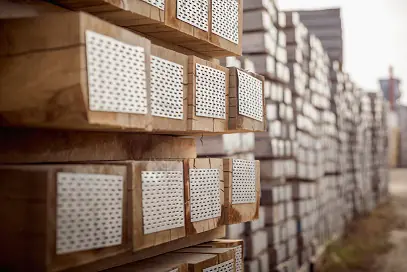
A striking example of this trend is railway sleepers, once used exclusively in transport infrastructure and now reinvented as a design material. Their natural texture, solid structure, and history make them ideal for furniture, flooring, wall cladding, or decorative features. The visible grain and aged look give any environment a sense of depth and authenticity that new wood often lacks. Designers appreciate how this material bridges industrial heritage with contemporary creativity, turning a functional object into an aesthetic focal point.
Creating warm and distinctive interiors
Inside modern homes, character often comes from the unexpected use of industrial materials. Reclaimed or treated wood is one of the most effective ways to add depth, contrast, and individuality to a space. Designers use its imperfections to bring life and warmth into otherwise minimalist interiors.
This material can be turned into bold interior features such as coffee tables, shelving units, or bed frames. Its dense wood structure allows creative shaping and finishing while maintaining impressive durability.
Popular interior applications include:
- Accent walls or ceiling beams that add visual weight and warmth.
- Dining tables and benches with solid, sculptural appeal.
- Decorative frames, stair treads, or reclaimed flooring for a unique look.
- Subtle design contrasts between aged wood and metal or glass details.
Such elements do not simply decorate; they change the mood of the room, softening cold spaces and introducing tactile richness. When combined with neutral colors and warm lighting, reclaimed wood becomes the anchor that connects modern design to its natural roots.
Outdoor design that celebrates natural texture
Exterior spaces benefit just as much from the presence of solid, time-tested materials. Gardens, terraces, and patios are increasingly designed as outdoor living rooms where comfort meets durability. Using reclaimed wood allows the environment to blend seamlessly with natural surroundings while maintaining strength and stability.
This type of wood performs exceptionally well outdoors thanks to its density and weather resistance. It can form garden borders, flower beds, retaining walls, steps, or benches. The natural finish works perfectly with stone, gravel, or greenery, creating a landscape that feels organic yet structured. Proper treatment further increases its resistance to moisture and sunlight, ensuring many years of use.
The advantages of reclaimed timber in landscaping include:
- Long lifespan and low maintenance requirements.
- Flexible design options for both rustic and contemporary settings.
- Compatibility with other natural materials like metal or stone.
- Eco-friendly reuse that supports sustainable living.
These features make reclaimed wood one of the most versatile materials for creative outdoor projects. Whether used to define garden paths, seating areas, or pergolas, it offers warmth and strength that synthetic materials cannot replicate.
Sustainability and responsible design
Designing with reclaimed materials is not only an aesthetic decision but also a sustainable one. Every reused piece of timber means fewer trees cut and less industrial waste generated. This approach reflects a growing awareness of environmental impact and the importance of resource conservation.
Reclaimed wood reduces the carbon footprint of new construction projects while preserving forests and ecosystems. It also adds value through its unique visual character, showing marks of history that cannot be replicated artificially.
These principles form the foundation of sustainable design, guiding every project toward efficiency, creativity, and long-term environmental responsibility:
- Promoting resource conservation through material reuse.
- Reducing landfill waste and the need for new raw timber.
- Encouraging mindful, eco-conscious design practices.
- Bringing authenticity and story into every finished project.
Beyond environmental benefits, using reclaimed wood encourages craftsmanship. Each board or beam requires specific treatment and fitting, allowing artisans to showcase skill and creativity. This human touch transforms sustainable design into something deeply personal and emotionally resonant.
From structure to style
Transforming industrial materials into design features represents a creative bridge between past and present. What once supported railway lines now becomes a functional piece of art inside modern homes or gardens. This evolution demonstrates how thoughtful design can breathe new life into forgotten resources while honoring their origins.
The versatility of reclaimed timber makes it suitable for a variety of styles, from rustic cottages to urban lofts. Its raw finish pairs beautifully with glass, metal, or concrete, providing warmth and contrast. Whether used as a statement dining table, outdoor pathway, or decorative wall, this material brings personality wherever it appears.
Through imagination and craftsmanship, old wood becomes a symbol of continuity. It reminds us that good design does not depend solely on new materials but on the creativity with which we reuse what already exists. By valuing durability and innovation, we build spaces that are practical, inspiring, and connected to the environment in a meaningful way.


