
I remember the day I decided to apply for my Concealed Weapons Permit in MD. It wasn’t a sudden choice. It came after months of careful consideration, personal experiences, and the growing need to take responsibility for my own protection. Maryland isn’t the easiest state when it comes to firearm laws, and qualifying for a concealed carry permit requires a solid understanding of the legal process. If you’re thinking about applying, let me walk you through my experience—step-by-step, practical, and based entirely on what I had to go through.
Understanding the Basics
The first thing I did was educate myself. I didn’t want to step into the process blindly. I began by visiting the official Maryland State Police (MSP) website. Their section on handgun licensing and permits is extensive. I learned that Maryland issues what’s formally known as the Wear and Carry Permit, which is the state’s version of a concealed carry license.
To qualify for a Concealed Weapons Permit in MD, I needed to meet a few non-negotiable requirements:
- Be at least 21 years old
- Have a clean criminal record (no felony convictions)
- Complete a state-approved firearms training course
- Provide a “good and substantial reason” for carrying a concealed weapon
It was clear from the beginning—this wouldn’t be a rubber-stamp process. Maryland is known for its stringent evaluation, and I had to come prepared.
The Importance of MSP Firearms Training
One of the most critical pieces in the process was completing MSP Firearms Training. This is a required component, and Maryland doesn’t joke around when it comes to training standards.
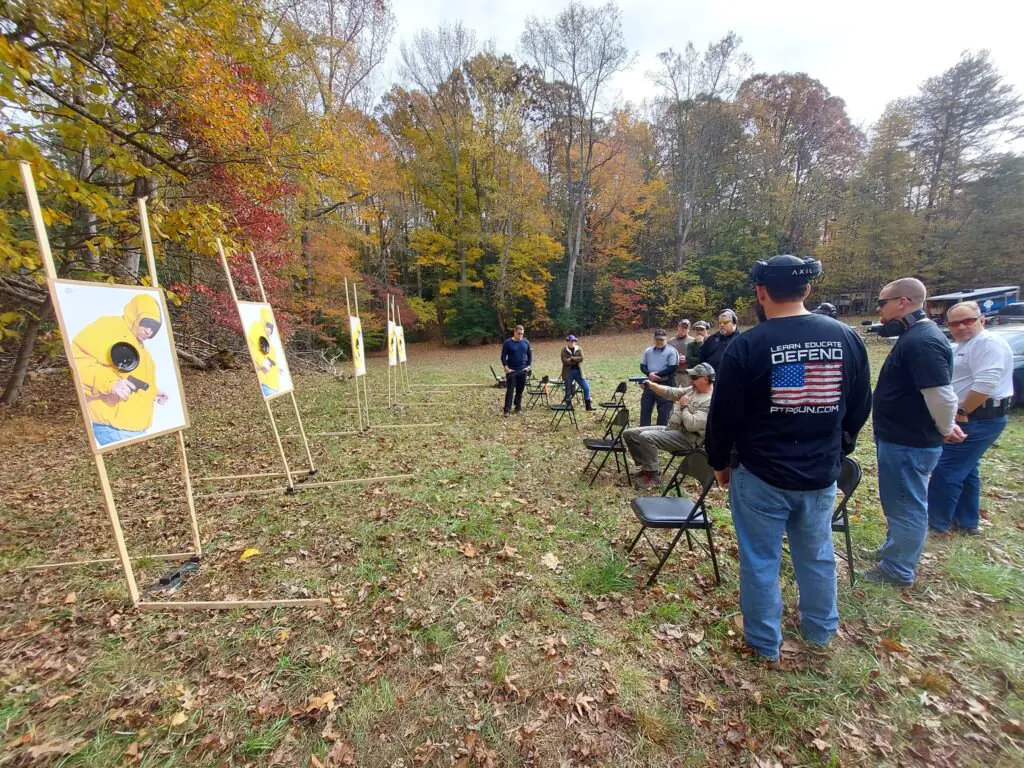
I enrolled in a certified course conducted by an instructor who was approved by the Maryland State Police. The course was 16 hours long and split over two days. The curriculum covered everything from basic firearm safety to Maryland-specific laws about where and when you can carry. It also included a live-fire component.
This wasn’t a basic safety course. It was in-depth and serious, and honestly, I walked away with far more knowledge and confidence than I had expected. I strongly recommend choosing an instructor who emphasizes not just the legal aspects but also the responsibility that comes with carrying.
Building the Application
With training completed, the next step was submitting my application through the Maryland State Police Licensing Portal. Here’s what I needed to upload and submit:
- Proof of firearms training (certificate)
- Recent passport-style photograph
- Fingerprints (must be taken by an authorized provider)
- Completed application form with personal and background information
- Documentation supporting my reason to carry
For many applicants, the most confusing part is the “good and substantial reason” requirement. In my case, I had documented threats due to my line of work. Others may apply for business purposes, personal protection, or even security roles. The more specific and documented your reason is, the better your chances.
My Interview with the State Police
After submitting the application, I was contacted for a phone interview with an MSP investigator. The officer asked detailed questions about my reasons for applying, my training, and my understanding of firearm laws in Maryland. It felt a bit intimidating, but I remained calm and honest. The interview isn’t guaranteed in every case, but many applicants go through it.
The Waiting Game
Once everything was submitted, the hardest part began—the waiting. Maryland law gives the state up to 90 days to process the application. I used this time to review my training materials and continue learning about concealed carry best practices.
It took about two months before I got the email notification: my application was approved. I can’t describe the feeling. It wasn’t just about the ability to carry a firearm—it was about taking ownership of my personal safety in a lawful, educated way.
Responsibilities After Receiving the Permit
Getting the permit is not the finish line—it’s the starting point. With a Concealed Weapons Permit in MD, you have a legal and moral responsibility to stay informed, practice regularly, and always carry lawfully.
Some key responsibilities I follow:
- I make it a point to review Maryland’s laws every few months. They can change, and ignorance won’t be an excuse in court.
- I regularly visit the range to keep my skills sharp. Training isn’t a one-time thing.
- I maintain a secure storage plan for my firearm when it’s not on me.
- I never carry into prohibited places like schools, federal buildings, or anywhere signs are posted banning firearms.
Lessons Learned and Tips
If you’re thinking about applying for your Concealed Weapons Permit in MD, here are a few actionable tips based on my journey:
- Take training seriously. Choose an instructor who includes real-life scenarios, not just textbook answers.
- Document your reason clearly. The more evidence you can provide to support your application, the stronger your case.
- Stay organized. Keep all receipts, documents, training records, and communication in one folder.
- Expect follow-up. Whether it’s fingerprint issues or questions from MSP, be responsive and cooperative.
- Join a local community. I found a few Maryland-based firearm owner groups online where I could ask questions and share experiences.
Why It Was Worth It
Having a Concealed Weapons Permit in MD has changed how I move through the world. I feel empowered—not just because I can carry, but because I’ve taken the time to do it legally, safely, and intelligently.
It’s not for everyone. The process is not easy, and that’s by design. Maryland wants to ensure only serious, law-abiding citizens are armed in public. But if you’re ready to take on the responsibility, I encourage you to pursue the permit the right way.
If you’re looking for state-approved MSP Firearms Training providers or have questions about the application process, don’t hesitate to contact a local instructor or the Maryland State Police directly. They’re there to guide you, and a quick call or email could save you hours of confusion.
Final Thought
This process taught me more than just how to qualify for a Concealed Weapons Permit in MD. It taught me discipline, awareness, and the true meaning of responsible gun ownership. I’m glad I did it—and I encourage you to start your own journey, informed and prepared.

