

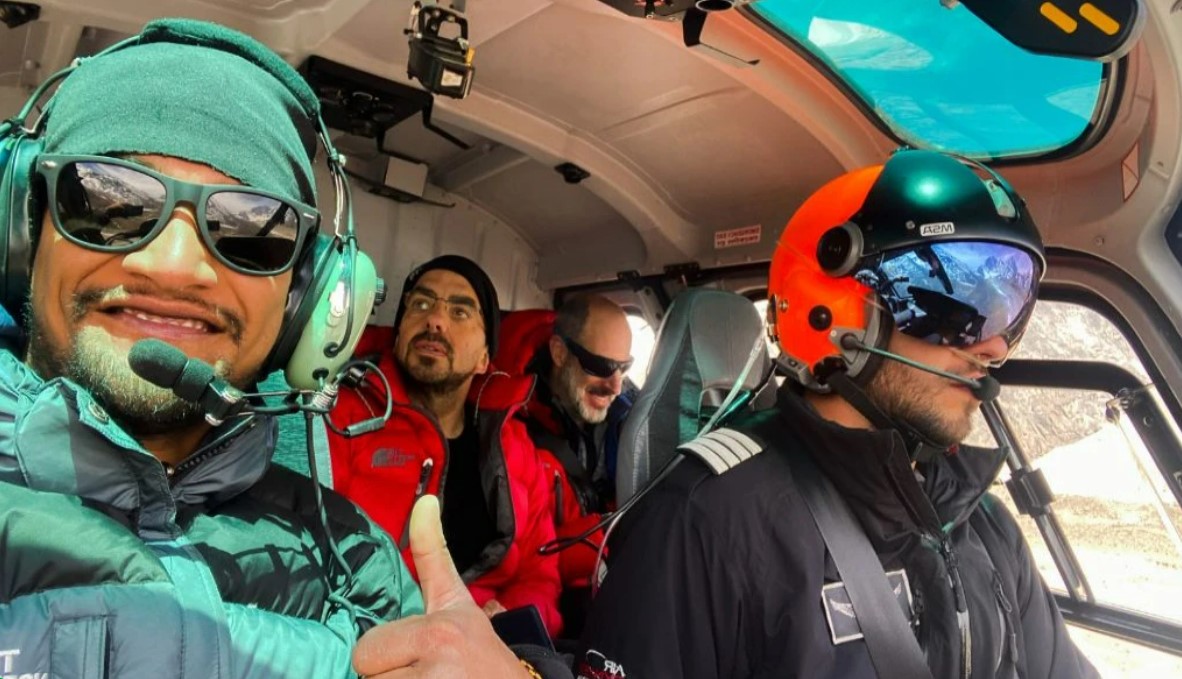
The Everest Base Camp trek with helicopter return is an exhilarating adventure that combines the challenge of trekking to one of the world’s most iconic peaks with the luxury of a helicopter ride back. This unique experience allows trekkers to enjoy the stunning beauty of Mount Everest Region while avoiding the physically demanding return journey. Proper preparation is essential to ensure a successful and enjoyable trek. Here’s a comprehensive guide on how to prepare for the Everest Base Camp trek with helicopter return.
1. Understand the Trek and Helicopter Return
What to Expect from the Trek
The Everest Base Camp trek is a high-altitude journey that takes you through diverse landscapes, traditional Sherpa villages, and stunning Himalayan scenery. You’ll trek through rugged terrain and experience the unique culture of the Everest region. The trek typically lasts 8 to 10 days, including acclimatization days, before reaching Everest Base Camp at 5,364 meters (17,598 feet).
What to Expect from the Helicopter Return
The Everest Base Camp trek return by helicopter offers a swift and luxurious return to Lukla or Kathmandu. After reaching Everest Base Camp, you’ll take a helicopter flight, providing breathtaking aerial views of the Himalayas and a comfortable end to your adventure.
2. Physical Preparation and Training
Build Endurance and Strength
Prepare for the trek by building your endurance and strength. Engage in regular cardiovascular exercises, such as running, cycling, or swimming, to improve your stamina. Incorporate strength training to build muscle strength, especially in your legs and core, as these will be crucial for hiking.
Practice Hiking
Since the trek involves hiking at high altitudes, practice hiking on varied terrain. Include uphill and downhill hikes in your training regimen to simulate the conditions you’ll face. Carry a backpack with weight to mimic the load you’ll be carrying during the trek.
3. Acclimatization and Health
Understand Altitude Sickness
Altitude sickness can affect anyone, regardless of fitness level. Learn about the symptoms, which include headache, nausea, dizziness, and shortness of breath. To minimize the risk, ensure you follow a gradual ascent plan, allowing your body time to acclimate.
Consult a Doctor
Before the trek, consult a healthcare professional for a physical examination. Discuss any health concerns and get advice on altitude sickness prevention. Your doctor might recommend medications such as acetazolamide (Diamox) to help with acclimatization.
4. Gear and Equipment
Essential Trekking Gear
Proper gear is crucial for a successful trek. Here’s a checklist of essential equipment:
- Trekking Boots: Choose well-fitting, waterproof boots with good ankle support.
- Layered Clothing: Pack moisture-wicking base layers, insulating layers, and a waterproof outer layer. Temperatures can vary, so layering is key.
- Sleeping Bag: A sleeping bag rated for cold temperatures (down to -10°C/14°F) is recommended.
- Backpack: A comfortable and durable trekking backpack with sufficient capacity.
- Trekking Poles: Helpful for stability and reducing strain on your knees.
Gear for the Helicopter Return
Ensure your gear is packed securely for the EBC trek return back by helicopter. Use a sturdy duffel bag or backpack, as luggage space in the helicopter is limited. Lightweight and compact packing will make the flight more comfortable.
5. Permits and Documentation
Obtain Necessary Permits
To trek to Everest Base Camp, you’ll need several permits, including:
- TIMS Card (Trekkers’ Information Management System): Ensures you are registered as a trekker.
- Sagarmatha National Park Permit: Required to enter the national park area.
Your trekking agency can assist with obtaining these permits.
Prepare Important Documents
Carry photocopies of your passport, travel insurance, and permits. Keep these documents in a safe place and also have digital copies stored securely.
6. Travel Insurance
Choose Comprehensive Coverage
Opt for travel insurance that covers high-altitude trekking and emergency evacuation. Ensure your policy includes coverage for helicopter evacuation, as it’s crucial for the luxury Everest Base Camp trek with helicopter return. Verify the details with your insurance provider to ensure you’re fully covered.
7. Mental Preparation
Prepare for Mental Challenges
Trekking at high altitudes can be mentally challenging. Prepare yourself for long days of hiking, potential weather changes, and the physical demands of the trek. Stay positive and be ready to adapt to changes and challenges.
Research and Set Expectations
Read about other trekkers’ experiences and familiarize yourself with the daily itinerary and challenges. Setting realistic expectations will help you mentally prepare for the adventure.
8. Food and Hydration
Stay Hydrated and Nourished
Proper hydration and nutrition are vital for maintaining energy and avoiding altitude sickness. Drink plenty of water and eat balanced meals. Carry water purification tablets or a filter to ensure access to clean drinking water along the trek.
Sample Local Cuisine
While trekking, you’ll have the opportunity to try local Sherpa cuisine. Sample dishes like momos (dumplings) and dal bhat (lentil soup with rice) to experience the local culture and boost your energy levels.
9. Booking and Itinerary
Choose a Reputable Trekking Agency
Select a reputable trekking agency that offers the Everest Base Camp trek with helicopter return. Ensure they provide experienced guides, proper safety measures, and support throughout the trek. Check reviews and ask for recommendations to make an informed choice.
Confirm Your Itinerary
Review and confirm your trekking itinerary, including acclimatization days and helicopter return arrangements. Make sure all details are clearly outlined and included in your booking.
Conclusion
Nepal Trekking Planner provides you with the best services. Preparing for the Everest Base Camp trek with helicopter return involves physical training, understanding the trek and helicopter return process, and ensuring you have the right gear and documentation. By following these preparation tips, you’ll be well-equipped to tackle this extraordinary adventure confidently. Whether you’re drawn to the classic trek or the luxury of a helicopter return, proper preparation will ensure a memorable and successful journey to Everest Base Camp.
For more information on why the Everest Base Camp trek with heli return is a fantastic option for trekkers, check out our detailed guide: https://webarticleservices.com/?p=353430&preview=true&_preview_nonce=b29b2ab323

