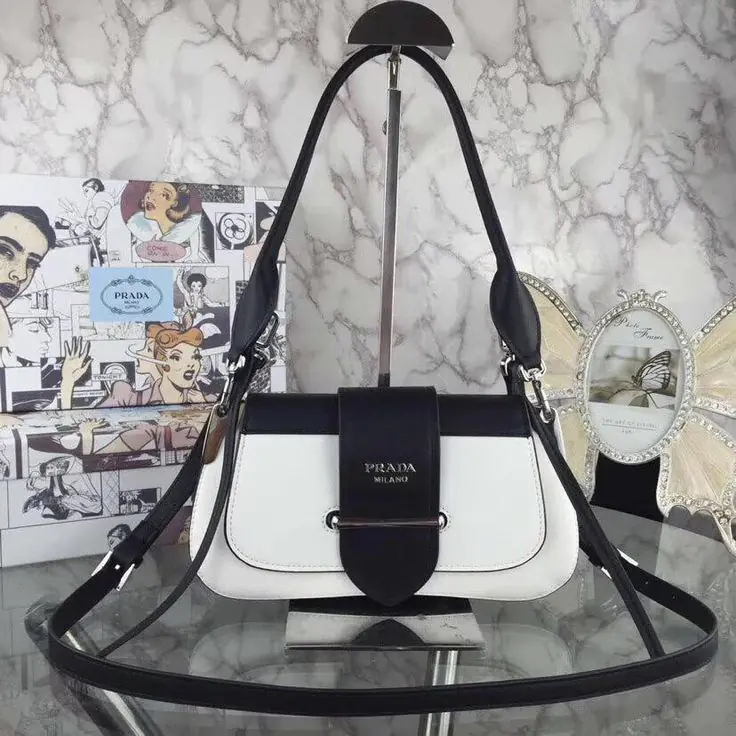

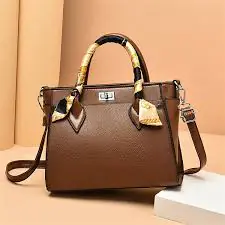
The fashion world is a vast and vibrant realm where creativity meets commerce. A significant part of this arena includes the ongoing debate around authentic designer goods versus their knock-off counterparts. This article delves into an often criticized yet undeniably influential segment of fashion: the market for replica bags and knock-offs.
The Positive Spin on Replica Bags
Replica bags have carved out a niche in the fashion industry by addressing one fundamental desire of many fashion lovers: accessibility. For a plethora of consumers, replica Louis Vuitton bags and other luxury replicas provide an opportunity to participate in the luxury experience without the steep price tag. These items bring high-end fashion designs within reach of the budget-conscious buyer who admires the style but cannot justify or afford the hefty expenditure on genuine items.
Moreover, purchasing replica handbags can be seen as a form of exploration. Consumers often use replicas as a testing ground to see if they would invest in the real version in the future. It’s a risk-free approach to experimenting with styles, colors, and different models before committing a significant amount of money to an original that they might end up not using as much as anticipated.
The global reach and easy access to fake bags also democratize fashion to some extent. While still controversial, the availability of knock off designer bags through online sales allows trends to proliferate at unprecedented rates. This broadens consumer choice and fosters a culture where diverse tastes and preferences are recognized, even outside mainstream luxury markets.
Furthermore, the production of replica bags encourages competition within the fashion industry, pushing brands to continuously innovate and improve. The counterintuitive result is often a higher standard of creativity and quality across both genuine and imitation products.
Sustainability and Awareness
While replicas are often criticized for various reasons, they inadvertently contribute to consumer awareness about sustainability and fast fashion practices. As buyers grow more knowledgeable about the manufacturing process of replicas versus originals, it paves the way for questions about ethical sourcing and ecological impacts of fashion at large. Consumers begin to ponder why certain items have such exorbitant costs and if those costs reflect ethical labor practices and eco-friendly production methods.
Learning from Hollywood
The influence of cinema culture on fashion cannot be underrated, and films often showcase both real and replica designs. A fascinating glimpse into how accessories make it to big screens can be found in insights on designer trends, like those shown in a recent review Hollywood Reporter (https://www.hollywoodreporter.com/lifestyle/style/best-designer-bags-fall-winter-2023-1235545077/). Such features explore how high-class accessories are selected and styled in major productions, adding an educational twist to our understanding of fashion marketing and consumer behavior.
Closing Thoughts
The debate between authenticity and imitation will likely persist as long as consumer desires conflict with economic realities. However, the presence of replica bags does more than just offer a cheaper alternative; it stirs dialogue on important issues like accessibility, sustainability, and consumer rights within the fashion industry. While challenges remain in balancing these aspects, the discussion itself is valuable—prompting innovation and possibly leading towards more inclusive and responsible fashion practices.