

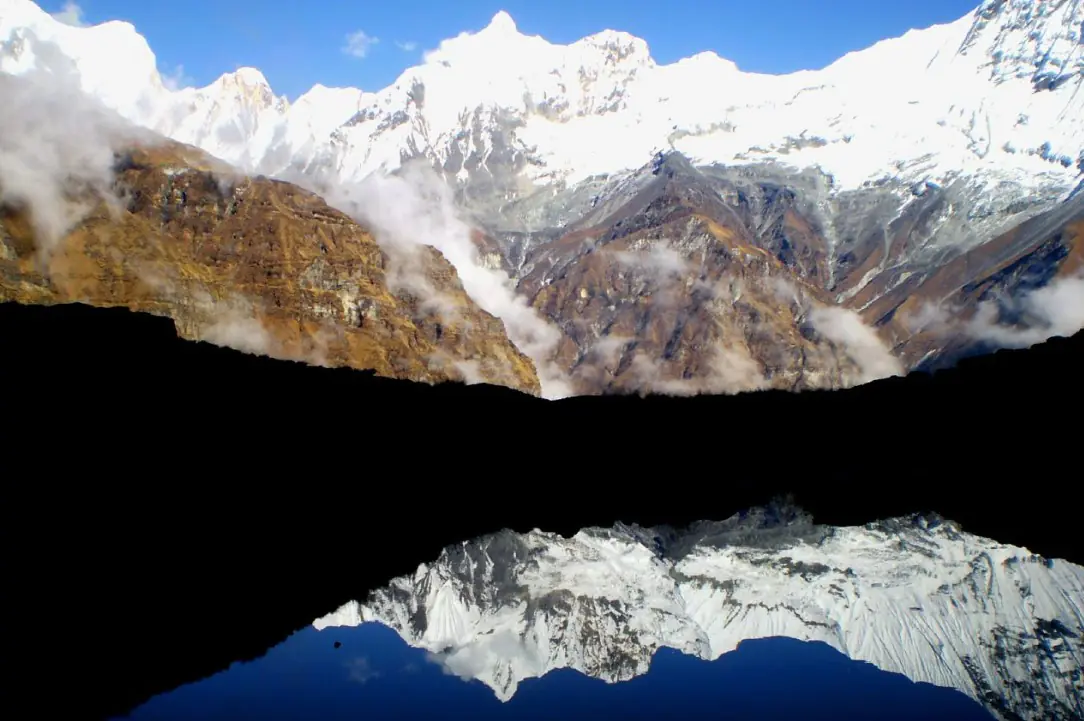
The Annapurna Base Camp trek is one of the most stunning trekking experiences in Nepal. From walking through lush forests and traditional villages to reaching the majestic Annapurna Base Camp, this trek offers an unforgettable adventure. However, to ensure your trip is smooth and comfortable, packing the right gear is essential. This guide will provide a comprehensive packing list for your Annapurna Base Camp trek, highlighting necessary items for beginners, the challenges of high-altitude trekking, and the importance of being well-prepared.
Key Considerations Before Packing
Before we dive into the packing list, let’s review some important factors to consider when preparing for your trek.
Annapurna Base Camp Trek for Beginners
For beginners, the Annapurna Base Camp trek offers a manageable and rewarding introduction to high-altitude trekking. However, beginners should be cautious about carrying too much or too little. Overpacking can make the trek unnecessarily tiring, while underpacking might leave you uncomfortable in the challenging conditions. Therefore, creating a balanced and thoughtful packing list is key to a successful trek.
Height of Annapurna Base Camp
The height of Annapurna Base Camp is 4,130 meters (13,549 feet). At this altitude, the temperature can drop significantly, especially at night, and altitude sickness can become a concern. Packing for cold weather, ensuring proper hydration, and pacing yourself are critical to avoid the effects of high altitude.
Annapurna Base Camp Location and Conditions
Located in the heart of the Annapurna Conservation Area, the trek passes through a range of climates, from subtropical forests to alpine landscapes. This requires layering your clothing to adjust easily to the varying temperatures and conditions. Understanding the Annapurna Base Camp location and weather will help you pack accordingly.
Clothing
1. Base Layers
Base layers are essential for keeping you warm, especially as you reach higher altitudes. Opt for moisture-wicking materials like merino wool to help regulate body temperature and avoid sweat build-up.
- Thermal Tops and Bottoms: At high altitudes, temperatures drop, especially in the mornings and evenings. Bring two sets of thermal tops and bottoms to wear under your main clothes.
- Moisture-Wicking T-shirts: Bring at least 2-3 quick-drying t-shirts for the warmer lower sections of the trek.
2. Mid Layers
Mid layers provide insulation to keep you warm in colder conditions.
- Fleece Jacket: A lightweight fleece jacket is perfect for cool mornings and evenings.
- Down Jacket: Essential for high altitudes, where it can get extremely cold, especially at night. A good down jacket will keep you warm without being too heavy.
3. Outer Layers
Outer layers protect you from wind, rain, and snow, ensuring you stay dry and comfortable.
- Waterproof Jacket: A breathable and waterproof jacket is necessary for unexpected rain and wind, particularly at higher elevations.
- Waterproof Pants: Lightweight, waterproof pants can protect you from rain or snow along the trail.
4. Trekking Pants and Shorts
For the majority of the trek, comfortable trekking pants are best. Pack a pair of convertible pants that can zip off into shorts if the weather is warm.
- Trekking Pants: These should be lightweight, quick-drying, and comfortable for walking long distances.
- Trekking Shorts: For lower altitudes where temperatures are warmer.
5. Hat, Gloves, and Buff
Keep your extremities warm and protected.
- Warm Hat: A thermal or fleece hat will keep your head warm at higher altitudes.
- Gloves: Bring both lightweight gloves for mild temperatures and insulated gloves for colder conditions.
- Neck Gaiter or Buff: A buff can protect your neck from the sun and help with warmth in colder weather.
Footwear
1. Trekking Boots
Investing in a sturdy pair of trekking boots is crucial. They should be well broken-in to avoid blisters and provide ample ankle support for the rocky terrain.
- Waterproof Trekking Boots: Waterproof boots with good grip are essential, especially for trekking in wet conditions or crossing streams.
2. Trekking Socks
Wearing moisture-wicking and cushioned socks will help prevent blisters and keep your feet comfortable.
- Wool or Synthetic Trekking Socks: Bring 3-4 pairs, as you’ll need to change socks regularly to keep your feet dry.
3. Camp Shoes
After a long day of trekking, you’ll want something comfortable to wear around the teahouse.
- Lightweight Sandals or Slippers: These can be worn at the end of the day when you’re resting.
Essential Trekking Gear
1. Backpack
Choose a backpack with a capacity of 30-40 liters, large enough to carry your essentials for the day, such as water, snacks, a camera, and an extra layer of clothing.
- Daypack: A comfortable, adjustable daypack with a rain cover is essential.
2. Trekking Poles
Trekking poles are highly recommended, especially for beginners. They help reduce strain on your knees, especially during steep ascents and descents.
- Collapsible Trekking Poles: These can be easily attached to your backpack when not in use.
3. Sleeping Bag
Even though the teahouses provide blankets, the temperatures at Annapurna Base Camp location can drop below freezing at night. A good sleeping bag will ensure you stay warm and comfortable.
- Four-Season Sleeping Bag: Look for one rated for -10°C to -15°C (14°F to 5°F).
4. Hydration System
Staying hydrated is critical, especially at high altitudes where dehydration is more likely.
- Water Bottles or Hydration Bladder: Carry at least two liters of water per day. A hydration bladder is convenient, as you can sip water while trekking.
5. First Aid Kit
You should always carry a basic first aid kit with essentials like bandages, antiseptic cream, painkillers, and altitude sickness medication.
- Personal Medications: Don’t forget any personal medications, as pharmacies are scarce on the trail.
Miscellaneous Items
1. Sunglasses and Sunscreen
The sun’s rays are strong at high altitudes, so protect your skin and eyes.
- UV Protection Sunglasses: A pair of good-quality sunglasses is essential for protecting your eyes from the intense UV rays.
- Sunscreen and Lip Balm: High SPF sunscreen and lip balm will protect your skin from sunburn.
2. Headlamp
Teahouses along the trek often have limited electricity, so a headlamp will be useful for early morning or late-night bathroom trips.
- LED Headlamp: Make sure to bring extra batteries.
3. Snacks
While teahouses provide meals, it’s a good idea to carry some high-energy snacks like granola bars, nuts, and chocolate for when you need an extra energy boost.
Annapurna Base Camp Cost
The Annapurna Base Camp cost depends on factors like whether you hire a guide, the duration of your trek, and your choice of accommodation. On average, the trek costs between $500 and $1,000, including permits, meals, and accommodation.
- Permit Fees: The Annapurna Conservation Area Permit (ACAP) costs around $30, and the Trekkers’ Information Management System (TIMS) card costs about $20.
- Teahouse Accommodation: Teahouses typically charge between $2 and $10 per night, with prices rising as you ascend.
- Food: Meals cost around $5 to $10 depending on the altitude, with costs increasing the closer you get to the height of Annapurna Base Camp.
For a more budget-friendly option, consider the Short Annapurna Base Camp Trek, which offers a condensed version of the trek while still delivering stunning mountain views.
Conclusion: Preparing for Your Trek with Boundless Adventure
Packing the right gear for the Annapurna Base Camp trek ensures that you’ll be ready to face the challenges of this incredible journey. From essential clothing layers to reliable footwear, preparing ahead of time is key to a comfortable trek. Beginners can rest assured that the trek is manageable, provided you’re equipped with the proper gear and ready for high altitudes.
If you’re looking for professional guidance, Boundless Adventure offers fully organized trekking packages, including gear recommendations and expert guides.
Explore our blog: https://webarticleservices.com/?p=353492&preview=true&_preview_nonce=017b406408

