

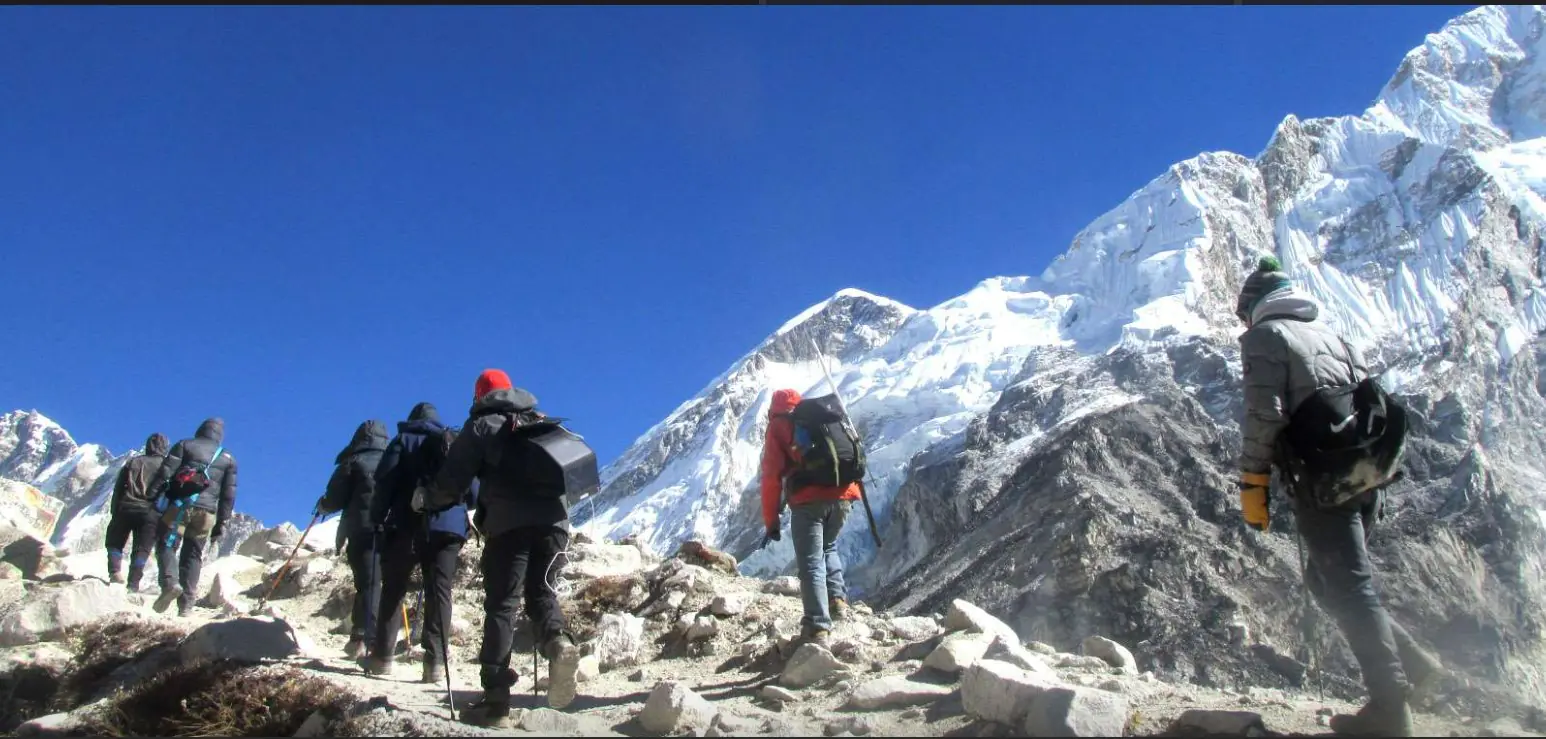
The Everest Base Camp trek is not only a journey through some of the world’s most stunning landscapes but also an incredible cultural experience that immerses trekkers in the rich heritage and traditions of the Sherpa people. This 14-day Everest Base Camp trek offers a unique blend of adventure and cultural exploration. In this guide, we’ll delve into the cultural highlights you’ll encounter on this epic journey, making it a truly enriching experience.
Understanding the Everest Base Camp Trek
The Everest Base Camp trek typically spans 14 days, allowing trekkers to acclimatize while enjoying the breathtaking scenery. The trek leads you through picturesque villages, ancient monasteries, and lush forests, all set against the backdrop of towering peaks. Along the way, you’ll discover the unique customs and traditions of the Sherpa people, making this trek an unforgettable cultural journey.
1. The Sherpa Community
The Sherpas are an ethnic group native to the Himalayan region. Renowned for their mountaineering skills, they play a crucial role in the Everest Base Camp trek, serving as guides and porters. Here’s what you’ll learn about their community:
Rich Heritage and History
The Sherpa culture is deeply rooted in Tibetan Buddhism. The history of the Sherpas dates back to the 15th century when they migrated from Tibet to Nepal. This migration brought with it a rich cultural tapestry woven from their Tibetan roots.
Warm Hospitality
Sherpas are known for their warm hospitality. As you trek through their villages, you’ll experience their kindness firsthand. Many families run tea houses that provide food and shelter for trekkers, creating a sense of community and friendship along the trail.
2. Traditional Villages
As you embark on the 14-day Everest Base Camp trek, you’ll pass through several traditional Sherpa villages, each offering a glimpse into their daily lives. Here are a few highlights:
Namche Bazaar
Often referred to as the “Gateway to Everest,” Namche Bazaar is the largest town in the Khumbu region. Here, you can explore local markets, visit traditional lodges, and even catch a glimpse of the stunning Ama Dablam peak. Don’t miss the chance to visit the Sherpa Museum, where you can learn more about their culture and history.
Tengboche
Home to the famous Tengboche Monastery, this village is a spiritual center for Sherpas. The monastery, perched at an altitude of 3,867 meters (12,687 feet), offers breathtaking views of the surrounding mountains. Attending a prayer ceremony at the monastery is a unique experience, where you can witness monks in vibrant robes chanting and performing rituals.
Dingboche
Dingboche is another picturesque village that showcases the beauty of Sherpa culture. The village is known for its terraced fields and stone-walled houses. Here, you can interact with locals, learn about their agricultural practices, and enjoy stunning views of the Himalayas.
3. Tibetan Buddhism and Monasteries
Tibetan Buddhism plays a significant role in Sherpa culture. Throughout the trek, you will encounter numerous monasteries and prayer flags, providing insight into their spiritual beliefs.
Stupas and Mani Walls
As you trek, you’ll come across stupas (Buddhist shrines) and mani walls (walls inscribed with prayers). These structures are not just landmarks; they are integral to the spiritual journey of the Sherpas. It’s customary to walk clockwise around them while spinning prayer wheels, a practice believed to bring good fortune.
Monastic Life
Visiting monasteries like Tengboche and Pangboche offers a unique opportunity to learn about monastic life. Monks dedicate their lives to spiritual practices, and you might get a chance to engage in discussions about Buddhism and meditation.
4. Local Cuisine
No cultural experience is complete without tasting the local food. The Everest Base Camp trek offers a chance to savor traditional Sherpa dishes.
Dal Bhat
A staple of Nepalese cuisine, dal bhat is a must-try. This dish consists of lentil soup (dal) served with rice (bhat) and various accompaniments like pickles and vegetables. It’s nutritious and provides the energy needed for trekking.
Momos
These delicious dumplings, filled with vegetables or meat, are a popular snack among trekkers and locals alike. They are often served with spicy dipping sauces, making them a delightful treat during your trek.
Yak Cheese
While trekking, don’t miss out on trying yak cheese. The rich, creamy texture of this cheese is unique to the region and a tasty addition to your meals.
5. Festivals and Traditions
If you’re lucky enough to trek during a local festival, you’ll witness the vibrant culture of the Sherpas in full swing.
Dashain and Tihar
Dashain and Tihar are two of the most important festivals for the Sherpa community. Dashain is celebrated with family gatherings, animal sacrifices, and traditional rituals. Tihar, known as the festival of lights, is marked by decorating homes with oil lamps and worshipping animals.
Mani Rimdu Festival
If your trek coincides with the Mani Rimdu festival at Tengboche Monastery, you’ll have the chance to witness traditional dances, rituals, and ceremonies that celebrate the Buddhist teachings. It’s a colorful and lively event, offering a deep insight into Sherpa spirituality.
6. Interacting with Locals
As you trek, take the time to interact with the locals. Whether it’s sharing a cup of tea in a tea house or learning about their daily routines, these interactions enrich your experience. Sherpas are friendly and welcoming, often eager to share stories about their culture and lives in the mountains.
Learning Basic Nepali Phrases
Knowing a few basic Nepali phrases can go a long way in connecting with the locals. Simple greetings like “Namaste” (hello) and “Dhanyabad” (thank you) can help you build rapport and show respect for their culture.
7. Nature and Conservation
Cultural experiences on the Everest Base Camp trek also include learning about conservation efforts in the region. The Sherpa community is deeply connected to the land and actively participates in preserving the environment. You’ll find signs emphasizing the importance of cleanliness and wildlife protection.
Sagarmatha National Park
As you trek through Sagarmatha National Park, you’ll witness the efforts made to protect the unique flora and fauna of the region. The park is a UNESCO World Heritage site and is home to several endangered species, including the snow leopard and red panda.
Helicopter Return Option
For those looking for a unique and exhilarating experience, consider the Everest Base Camp Trek with Helicopter Return. This option allows you to experience the breathtaking views of the Himalayas from the air, providing a memorable way to conclude your adventure.
Conclusion
The Everest Base Camp trek is not just a physical journey; it’s a cultural odyssey that immerses you in the rich heritage of the Sherpa people. From traditional villages and ancient monasteries to delicious local cuisine and vibrant festivals, this trek offers a unique glimpse into the lives of those who call this region home.
If you’re planning to embark on this incredible journey, look no further than Boundless Adventure. They provide expertly guided treks, ensuring you experience the best of the Everest region while enjoying the rich culture and traditions of the Sherpa community. Start planning your unforgettable adventure today!
With every step on the trail, you’ll not only be reaching the foot of the world’s highest peak but also connecting with a culture that has thrived in the heart of the Himalayas for centuries. Happy trekking!
Recommended Read: https://webarticleservices.com/?p=353493&preview=true&_preview_nonce=a121bd7fe6

