
The dimmer switch is a common problem for many homeowners. While it can be easy to diagnose, the fix can be more difficult. You may need to replace your switch or repair it yourself if you have the skill and tools necessary.
Flickers when a schedule is running.
- Check your schedule is correct.
- Check your dimmer switch is working.
- Check that your schedule is running and working with the correct settings in both schedules and if you have a separate control for each, check that they are all set correctly.
It is on but does not turn on the light.
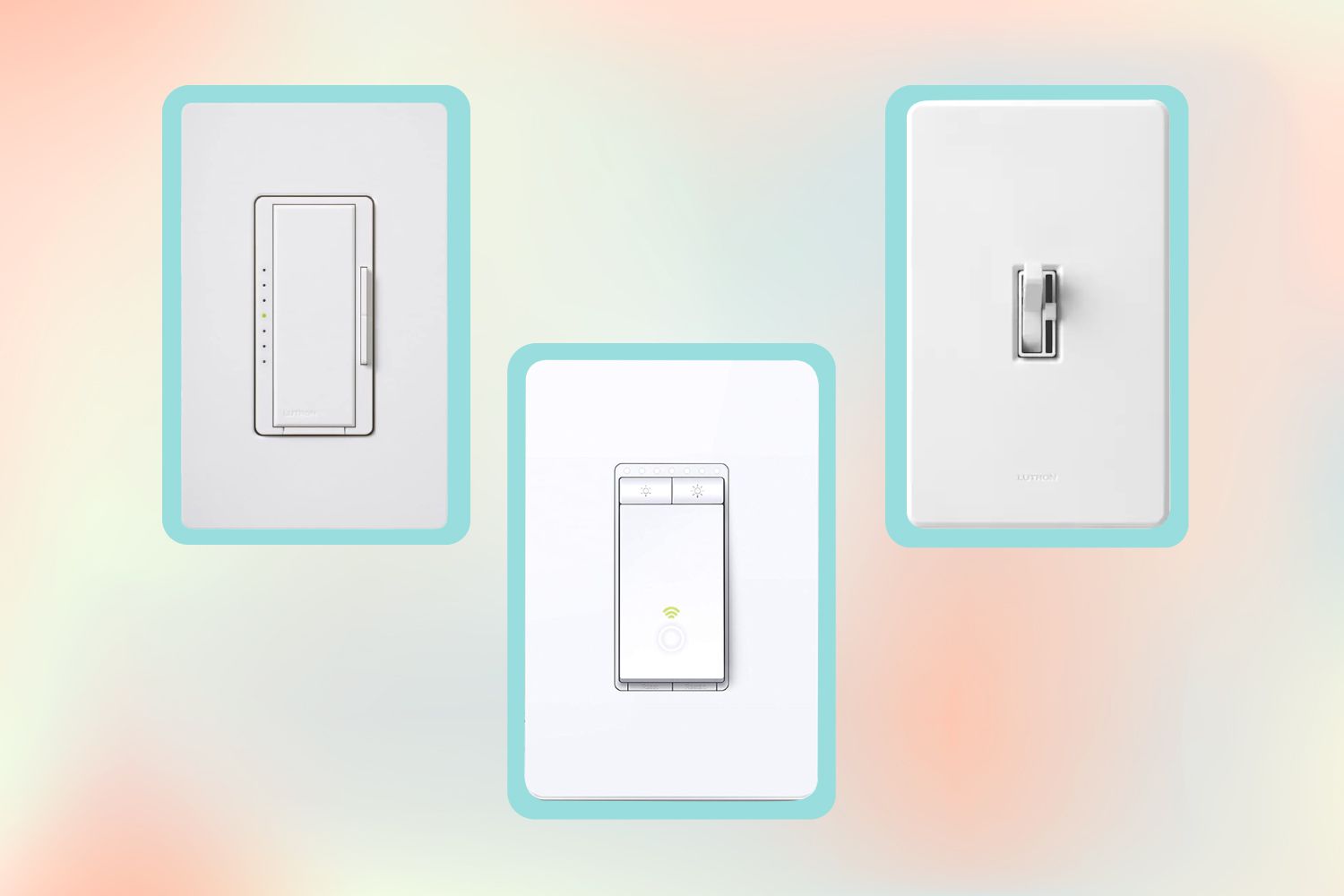
If you have a dimmer switch and the light doesn’t turn on, there are several things you can check to see if it’s working correctly. Here is an article that is a guide to buying dimmer switches.
- Make sure that your bulbs are working. Ensure that they’re not burned out or broken, and also check if they’re in the correct position—the bulb should be on a lower setting than its current brightness level (e.g., a 60W incandescent bulb should be set at 40%).
- Check whether your power is turned on—some switches will only work when connected directly to an outlet, while others require more complex wiring schemes (such as those found in older homes).
- Check that the switch isn’t broken or torn apart from everyday use; this will prevent it from functioning correctly with any other devices connected to it via wire or wirelessly via Bluetooth technology!
Flicker or dims unexpectedly.
If your dimmer switch flickers or dims unexpectedly, the wiring may be a problem. There are several potential causes:
- The light bulb itself could be faulty. This is often the case when you replace an old Edison-style bulb with a newer incandescent one and experience flickering or dimming problems.
- The circuit breaker may have tripped due to too much current being drawn from it by other devices plugged into it (such as nearby television sets). You can check this by disconnecting all other devices in the circuit, then turning off power to each device one at a time until only lights remain on—you should see no more signs of flickering/dimming when you turn off each item individually! Suppose there are still issues after doing this test. In that case, your wiring may need replacing/repairing/reinventing as soon as possible before further damage occurs due to prolonged use without proper maintenance being performed regularly enough throughout its lifetime, which would eventually lead to eventual failure within another few years down the line – so please don’t hesitate.
Switch operates lights but is not scheduled.
The first thing to do is check that the dimmer switch is set to the proper mode. If you have a single-pole, three-way switch and it’s set in “OFF,” your lights will be off at night, but they may still come on during the day if you have a timer or other device running them (such as an alarm system).
If this is not what’s happening, then there are several possible explanations:
- Your schedule has been incorrectly configured. This can happen when people forget about setting up their schedules ahead of time or when they leave out days that should be included in their schedules—either way, it leads to incorrect operation by a dimmer switch. Check that all days are included before moving forward with troubleshooting any issues related to scheduling errors.*
- You need two separate schedules: one for home use and another for work use.*
The lights do not work at all.
- Make sure that the power supply is working correctly. If the light switch does not work, there may be an issue with the wiring or a bad circuit breaker in your home.
- Check the dimmer switch to see if it’s faulty and needs replacing. If you don’t have access to the original box, try testing it by hooking up another light bulb from another lamp with different wattage (or higher voltage) than what was initially installed when originally installing this dimmer switch’s lamp; this should allow for more straightforward diagnosis since different bulbs will produce different results when hooked up together so as long as everything looks fine, then at least one component has failed within its intended range of operation–and this means we’ll need more than just one component failing before fixing anything else!
Does not respond to app control.
If your dimmer switch does not respond to app control, check the following:
- Check the app settings. Ensure you have all the correct permissions and that your device is running.
- Make sure that the switch is connected to the internet and running correctly, as well as connected to your router (if applicable).
- Ensure that at least one other device with an app has been added as an accessory on this particular switch before using it with dimmers or scene controllers.
Won’t turn on or off even without a schedule.
- Check the status of your dimmer switch.
- Check the status of your light. If it’s on, check that it’s not flickering or flickering in a way that indicates a problem (see below).
- Check the status of your schedule and app on your phone or tablet if you have one. If you don’t have one, then try turning off all devices connected to your home network for 15 minutes and turning them back on again—this will reset all settings to their original defaults so they’re ready to go when needed again later!
Does not respond to voice control or the button on the switch.
If your dimmer switch does not respond to voice control or the button on the switch, you may have a problem with your wireless hub.
If you use an app that supports multi-room audio, update it to the latest version (usually published after a few weeks). You can also check if you have the latest firmware for your hub and install it if necessary.
You need to see if you have a common problem
- Check the manual for a problem you may have.
- Check the fuse if there is one installed in your house or building.
- If none of these options work, you will need to go through some wiring troubleshooting steps before calling an electrician to help with a dimmer switch problem!
Conclusion
If you’re unsure what the problem is or if your switch has been replaced and you want to be sure it is the right one, you need to see if the problem returns when turned off and on again.