

CCTV Cameras: A Technological Sentinel in the Modern Age
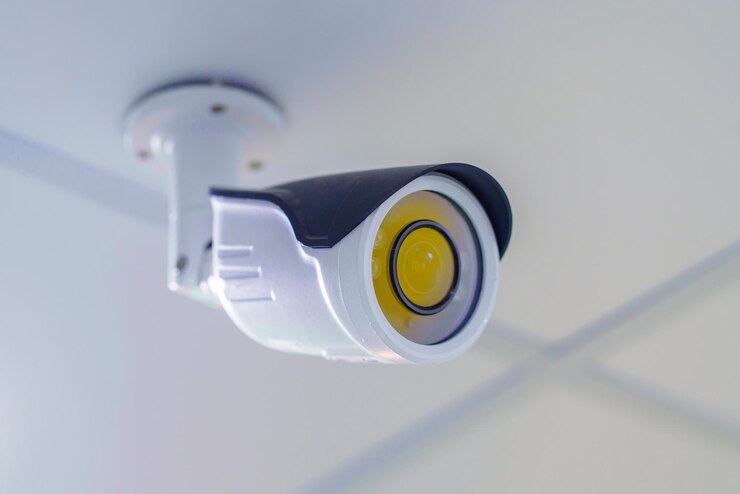
In the ever-evolving landscape of security technology, few tools have proven as indispensable as Closed-Circuit Television (CCTV) cameras. These unassuming devices, with their watchful lenses and unblinking gaze, have become synonymous with surveillance, offering a sense of security in an increasingly uncertain world. In this exploration, we delve into the transformative role of CCTV cameras, uncovering their impact on safety, privacy, and the broader societal fabric.
The Rise of Surveillance Culture:
The proliferation of CCTV cameras reflects the emergence of a surveillance culture that pervades both public and private spheres. From city streets to shopping malls, airports to office buildings, CCTV cameras stand sentinel, silently monitoring our movements and activities. While once relegated to high-security areas, CCTV cameras are now ubiquitous, woven into the fabric of everyday life as a constant reminder of our interconnected world.
Guardians of Security:
At their core, CCTV cameras serve as guardians of security, offering a vigilant eye against potential threats and acts of wrongdoing. By capturing video footage in real-time, CCTV cameras provide valuable evidence for investigations, aiding law enforcement agencies in their pursuit of justice. Moreover, the mere presence of CCTV cameras acts as a deterrent to criminal behavior, dissuading individuals from engaging in illicit activities and contributing to the overall safety of communities.
Navigating Ethical Complexities:
Yet, the widespread adoption of CCTV cameras has also sparked ethical debates about privacy rights, surveillance practices, and the balance between security and individual freedoms. Concerns about indiscriminate monitoring, data privacy, and the potential for abuse have prompted calls for greater transparency and accountability in CCTV deployment. Striking a delicate balance between security imperatives and civil liberties remains a paramount challenge in our increasingly surveilled society.
Harnessing Technological Advancements:
Advancements in technology have propelled CCTV cameras into the realm of sophistication, equipping them with an array of advanced features and capabilities. High-definition resolution, night vision technology, and remote access functionality have revolutionized surveillance, enabling clearer imagery, extended monitoring capabilities, and enhanced situational awareness. Moreover, innovations such as facial recognition and behavioral analytics hold promise for further enhancing the effectiveness of CCTV surveillance in identifying and mitigating security threats.
Preserving Privacy in a Digital Age:
Amidst concerns about privacy infringement, safeguarding individual privacy rights is paramount in the deployment of CCTV cameras. Transparent policies regarding data collection, retention, and access are essential to ensuring accountability and trust in surveillance practices. Additionally, measures such as anonymization of data, encryption of transmissions, and strict access controls can mitigate the risk of unauthorized access or misuse of surveillance footage, preserving the privacy and dignity of individuals.
Towards a Secure Future:
As we navigate the complexities of security and surveillance in the digital age, the role of CCTV cameras remains pivotal in safeguarding our communities and preserving our way of life. By embracing technological innovation, upholding ethical principles, and fostering dialogue and collaboration, we can harness the transformative potential of CCTV cameras to create a safer, more secure future for all.
In conclusion, CCTV cameras represent more than just a tool for surveillance; they embody our collective aspirations for safety, security, and peace of mind. As we continue to harness the power of technology to address evolving security challenges, let us remain vigilant in safeguarding privacy, upholding ethical standards, and fostering a culture of trust and accountability in our pursuit of security and well-being.