

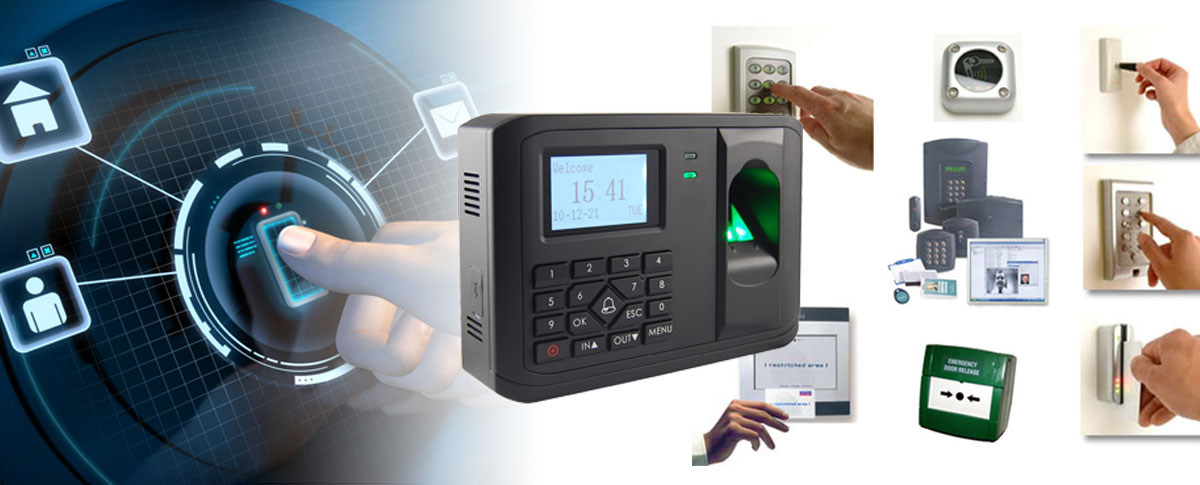
Biometric Time Attendance Machine
A senior executive from Suprema’s research area offers his perspective on how safe fingerprint readers can be from the spread of COVID-19. It concludes that some simple hygienic measures may be enough to use them without risk of contagion.
Fingerprint recognition biometric time attendance machine is a safe and convenient technology that has become widespread, both on smartphones and in our everyday lives.
However, the recent global COVID-19 outbreak raises questions about how secure the use of fingerprint authentication really? Since touching the sensors could spread the virus.
With 20 years of first-hand experience developing fingerprint recognition technology and the marketplace, I would like to discuss some common perceptions of such technology’s security and use value.
I want to address three security concerns in fingerprint recognition technology:
- Can we say that fingerprint recognition is safe?
- How much risk does it carry?
- How should we perceive the use-value of this technology?
A short answer to the above questions: it is difficult to say that fingerprint recognition sensors are completely exempt from helping spread the virus.
That said, fingerprint recognition sensor is less likely to be more contaminated than other surfaces, such as doorknobs, railings, or elevator buttons.
Therefore, the sensible use of technology can help significantly obstruct the spread of the virus. The rest of this article provides more details on the points made above.
Fingerprint Time Attendance recognition security:
In our daily life, we get into contact with surfaces that countless people touch, for example, the handrails on buses and trains, elevators, ATMs, buttons on copy machines, doorknobs, railings, tables, credit cards, and money. List just a few.
In the wake of the COVID-19 prevalence, numerous news articles have stated the risk of infection through these commonly touched surfaces.
Reports say that the virus can survive between hours and days, depending on the type of surface on which it stands.
According to a study from Purdue University, fingerprint recognition requires users to touch the sensor, so the risk of contamination on this surface is as high as that from doorknobs.
This information that fingerprint recognition sensors can act as a means of transmitting the virus to the same extent as any other commonly touched surface.
However, another study suggests that disinfecting sensor surfaces with alcohol could significantly reduce the possibility of virus transmission, if not eliminate it.
Risks when using fingerprint recognition:
The possible route of transmission of the virus begins in the nose or mouth of people. It reaches the fingers of the hands, then to the fingerprint acceptance sensor; from there, the data is confirmed by scanning the other person’s finger and finally the person’s face.
The risk of spread varies according to the size of the surface touched, the duration, and the contact pressure.
A fingerprint recognition sensor is a very small contact area, requiring little pressure and a touch duration of less than one second. Therefore, the danger of transmitting the virus is significantly lower compared to other surfaces, such as doorknobs.
In addition to this, fingerprint sensor users are limited to known and authorized persons. At the same time, other surfaces are touched by countless people indiscriminately, as in the case of public transport handrails.
In addition, these users also share common areas and objects, such as copy machines and meeting room tables. Therefore, the implementation of risk management specifically designed for this type of user group is required.
Some measures to consider include measuring body temperature upon arrival at work and taking turns working from home. Biometrics, including fingerprint recognition, can help contain virus transmission by ensuring that only a limited number of authorized people enter common areas.
Perceptions on the use of fingerprint recognition technology
In our daily life, without realizing it, we come into contact with many surfaces. Fingerprint recognition, by contrast, only involves intentional and conscious communications, which can naturally lead to timely containment efforts, such as the use of hand sanitizer.
It is well known that using hand sanitizer or constant handwashing can effectively prevent the spread of the virus.
In a pandemic like the one we are facing right now, we can stay safe with an action as simple as placing hand sanitizer next to fingerprint recognition sensors and instructing people to use it before and after-touch the sensor.
Encouraging people to use hand sanitizers after fingerprint recognition when entering the office also helps with general hygiene and infection prevention.
The COVID-19 outbreak is threatening aspects of our lives that we had taken for granted. At the same time, it has raised fear and worry to an unnecessary degree. Rather than letting fear ensnare us, we must have a clear understanding of technology’s security levels and risk factors. Using them wisely can help fight the spread of the virus.
Contactless access control solutions to prevent the spread of COVID-19:
Intending to continue supporting and accompanying all its clients in a completely unprecedented situation for the different sectors, ISTC Corp. offers solutions and technologies for contactless access control that can be useful to prevent contagion.
At this time, the company focuses its efforts on showing its solutions that can serve as support in the management of the public health crisis worldwide. These are the contactless access control solutions that it currently distributes:
GCTL Time Attendance access control
Today it is essential to manage the identity of users and improve their mobility efficiently. In this increasingly connected world, Biometric Time Attendance Machine is a key to digital transformation.
Today, the core focus of the biometric industry is protecting our identity and enhancing security for all of us.
GCTL technology transforms access control offering an unmatched user experience to manage physical or digital identities.
The innovative access and time terminals guarantee people frictionless access and, of course, make the offering integrate outstanding features such as contactless fingerprints and 3D facial recognition or video analytics.