

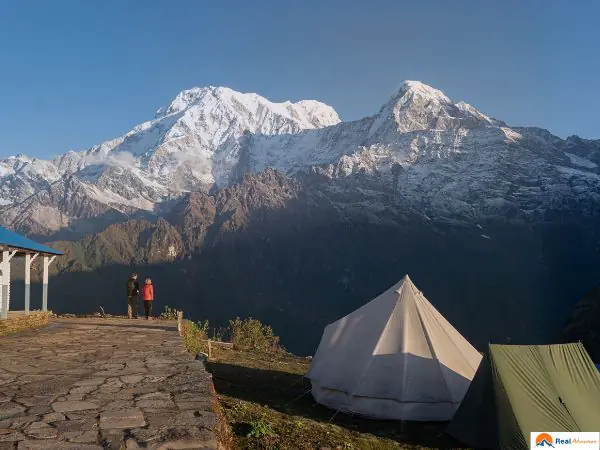
The Annapurna Panorama Trek is a beautiful adventure that offers stunning views and a chance to experience the rich culture of the Annapurna region. To ensure a successful journey, it’s important to pack the right gear and essentials. In this guide, we will cover everything you need for a safe and enjoyable trek, including a comprehensive packing list tailored for the Annapurna Panorama View Trek.
Why Gear Matters for the Annapurna Panorama Trek
Having the right gear can make or break your trekking experience. Proper equipment enhances comfort, safety, and overall enjoyment. The Annapurna Panorama Trek has varying altitudes and changing weather conditions, so it’s essential to be prepared.
Weather Conditions
Weather in the Annapurna region can be unpredictable. The trek typically takes place at altitudes ranging from 1,000 meters (3,280 feet) to 4,000 meters (13,123 feet), meaning temperatures can vary significantly. Being prepared for cold mornings, warm afternoons, and potential rain is crucial.
Terrain Variability
The terrain includes well-maintained paths, steep inclines, and rocky sections. Having appropriate footwear and gear will help you navigate these challenges safely.
If you’re considering a more extended adventure, check out the Annapurna Base Camp Trek (14 Days) for a comprehensive trekking experience.
Essential Gear for the Annapurna Panorama Trek
Here’s a comprehensive packing list to help you prepare for your trek:
1. Clothing
Layering is key when it comes to trekking in the Annapurna region. The goal is to wear multiple layers to adapt to changing temperatures.
-
Base Layer: Moisture-wicking shirts (long and short-sleeved) to keep sweat away from your skin.
-
Mid Layer: Fleece or insulated jackets that provide warmth without bulk.
-
Outer Layer: A waterproof and windproof jacket to protect against rain and wind.
-
Trekking Pants: Lightweight, breathable, and quick-drying pants; consider pants with zippers that convert to shorts for versatility.
-
Thermal Layers: Fleece or thermal leggings for colder days.
2. Footwear
Proper footwear is essential for comfort and safety on the trail.
-
Trekking Boots: Sturdy, waterproof boots with good ankle support and a reliable grip. Ensure they are broken in before your trek.
-
Camp Shoes: Lightweight sandals or shoes for relaxing at the teahouse after a day of trekking.
-
Wool or Synthetic Socks: Multiple pairs to keep your feet dry and warm.
3. Accessories
Don’t forget to pack these essential accessories:
-
Hat: A wide-brimmed hat or cap for sun protection.
-
Warm Beanie: To keep your head warm during cold evenings and mornings.
-
Gloves: Insulated gloves for chilly days, preferably waterproof.
-
Sunglasses: UV-protective sunglasses to shield your eyes from the bright sun and glare from the snow.
-
Buff or Scarf: For additional warmth around your neck.
4. Trekking Gear
Here are some additional items to enhance your trekking experience:
-
Backpack: A comfortable, well-fitted backpack (30-50 liters) with padded shoulder straps and a hip belt to carry your essentials.
-
Trekking Poles: Useful for maintaining balance and reducing strain on your knees during steep descents.
-
Sleeping Bag: A sleeping bag rated for -10°C (14°F) is ideal for colder nights at higher elevations.
5. Hydration and Nutrition
Staying hydrated and energized is vital during your trek.
-
Water Bottle or Hydration Bladder: At least 2-3 liters capacity; make sure it’s lightweight and easy to carry.
-
Water Purification Tablets or Filter: To ensure safe drinking water throughout the trek.
-
Snacks: High-energy snacks like trail mix, energy bars, and chocolate for quick boosts of energy.
6. First Aid and Health Supplies
Prepare for minor injuries and ailments with a basic first aid kit.
-
First Aid Kit: Include adhesive bandages, antiseptic wipes, pain relievers, blister treatment, and any personal medications.
-
Altitude Sickness Medication: Consult your doctor about taking Diamox (Acetazolamide) if you’re prone to altitude sickness.
-
Personal Hygiene Items: Biodegradable soap, toothpaste, toothbrush, wet wipes, and hand sanitizer.
7. Electronics and Navigation
While trekking, it’s essential to stay connected and safe.
-
Mobile Phone: For communication and capturing memories; consider a portable charger to keep it powered.
-
Camera: If you love photography, a lightweight camera or smartphone with a good camera will help you capture stunning views.
-
Power Bank: A portable charger for your electronics, especially if you plan to use your phone for navigation and photos.
-
Map and Compass: While trails are well-marked, having a physical map can be helpful for navigation.
Conclusion: Prepare for an Unforgettable Trek
Packing the right gear is essential for a successful Annapurna Panorama Trek. With proper preparation, you can ensure a comfortable, safe, and enjoyable adventure in the breathtaking Annapurna region. Remember to focus on layering your clothing, choosing the right footwear, and packing essential accessories and supplies.
For a hassle-free trekking experience, consider booking your trek with Real Adventure Nepal. Their expert guides and tailored itineraries will help you navigate the beautiful landscapes and rich culture of the Annapurna region, making your adventure unforgettable. Embrace the thrill of the Annapurna Panorama View Trek and create lasting memories on this incredible journey!
Explore our blog: https://webarticleservices.com/?p=353488&preview=true&_preview_nonce=20ca0c6e16
