

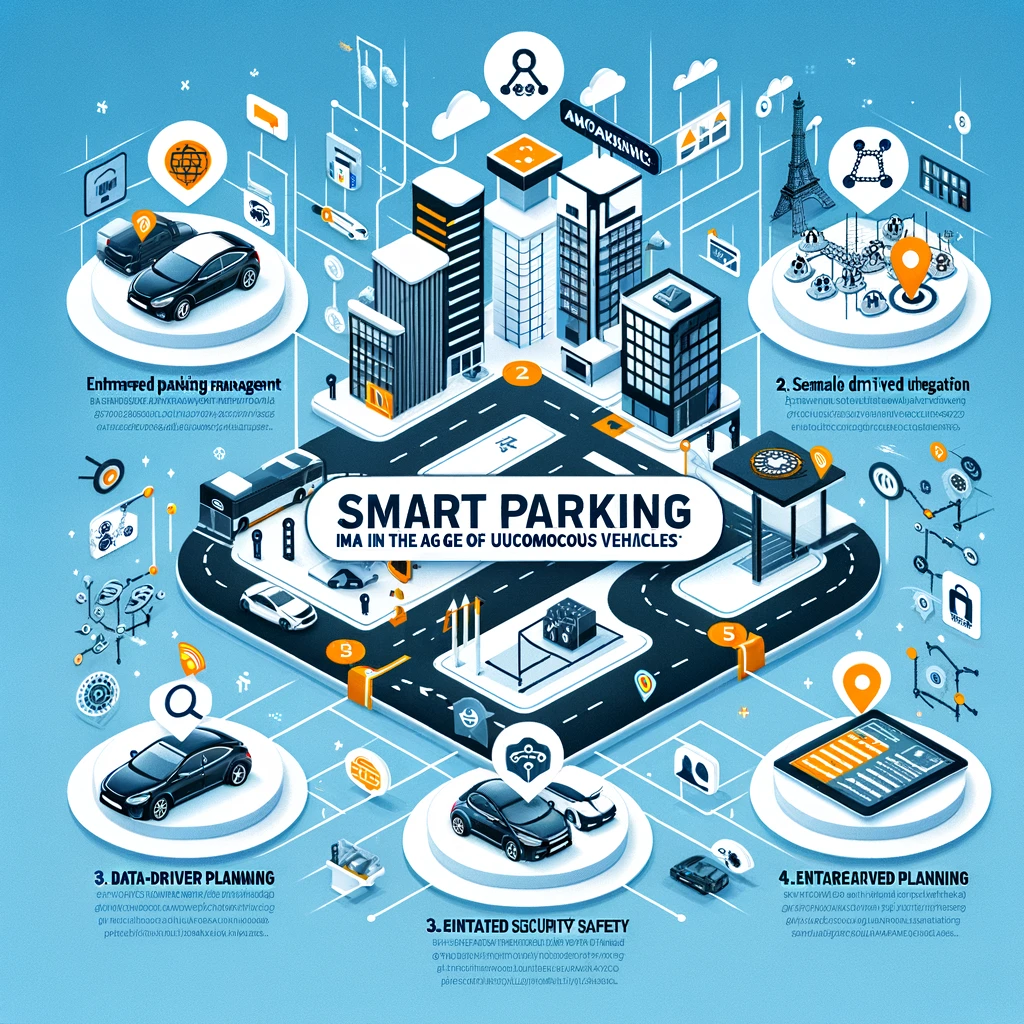
Abstract: Urbanization is rapidly increasing, leading to challenges in parking management, traffic congestion, and environmental sustainability. In response, AI-driven parking management systems have emerged as transformative solutions, leveraging advanced technologies to optimize parking space utilization, enhance user experience, and promote sustainable urban development. This comprehensive guide explores the evolution, implementation, benefits, challenges, and future prospects of AI-driven parking management systems in shaping the future of urban mobility.
Table of Contents:
- Introduction
- The Evolution of Parking Management Systems
- Traditional parking management systems
- Transition to digital and automated systems
- Emergence of AI in parking solutions
- Components of AI-Powered Parking Management Systems
- Sensors and IoT devices
- Data analytics and machine learning algorithms
- Computer vision and image recognition technologies
- Mobile applications and user interfaces
- Benefits of AI in Parking Management
- Improved efficiency and reduced congestion
- Enhanced user experience
- Cost savings and revenue generation
- Environmental benefits
- Case Studies
- Case Study 1: Barcelona, Spain
- Overview of the city’s parking challenges
- Implementation of AI-powered solutions
- Outcomes and impact
- Case Study 2: San Francisco, USA
- Overview of the city’s parking challenges
- Implementation of AI-powered solutions
- Outcomes and impact
- Case Study 3: Singapore
- Overview of the city’s parking challenges
- Implementation of AI-powered solutions
- Outcomes and impact
- Case Study 1: Barcelona, Spain
- Best Practices for Implementing AI-Powered Parking Solutions
- Conducting a thorough needs assessment
- Ensuring data privacy and security
- Integrating with existing urban infrastructure
- Engaging stakeholders and obtaining public support
- Continuous monitoring and improvement
- Challenges and Solutions
- Technical challenges
- Regulatory and policy challenges
- Social and cultural challenges
- Strategies to overcome these challenges
- Future Trends and Innovations
- Autonomous vehicles and their impact on parking
- Advancements in AI and machine learning
- Integration with other smart city initiatives
- Potential for fully automated parking facilities
- Conclusion
1. Introduction
Parking management is a critical issue in urban areas, contributing to traffic congestion, environmental pollution, and inefficiencies in mobility. Traditional parking systems, often manual and lacking data integration, struggle with the rapid growth of cities and increasing vehicle numbers. AI-powered parking management systems utilize technologies like machine learning, computer vision, and the Internet of Things (IoT) to optimize operations, enhance user experience, and support the goals of smart cities. These cities leverage technology and data to improve urban living, making them more efficient, sustainable, and responsive to residents’ needs. This article delves into the evolution, components, benefits, and challenges of AI-powered parking systems. It includes real-world examples from cities such as Barcelona, San Francisco, and Singapore, and explores best practices and future trends that promise to further revolutionize urban parking.
2. The Evolution of Parking Management Systems
Traditional Parking Management Systems
Traditional parking management systems were largely manual, relying on attendants to oversee parking lots, issue tickets, and manage payments. These systems were often inefficient, leading to issues such as long wait times, difficulty in finding available spaces, and a lack of real-time information for drivers. The lack of integration with other urban systems also meant that data was siloed, preventing comprehensive analysis and optimization.
Transition to Digital and Automated Systems
The advent of digital technology brought significant improvements to parking management. Automated systems, such as ticketing machines and boom barriers, began to replace manual processes. Digital payment options emerged, reducing the need for cash transactions and speeding up the payment process. Additionally, early forms of data analytics started to be used to monitor parking lot usage and identify patterns.
Emergence of AI in Parking Solutions
The introduction of AI marked a significant leap forward in parking management. AI technologies enabled the development of systems that could analyze vast amounts of data in real-time, predict parking availability, and optimize space utilization. Machine learning algorithms could learn from historical data to improve their accuracy over time, while computer vision technologies allowed for automated monitoring and enforcement of parking rules. These advancements laid the groundwork for the sophisticated AI-powered parking management systems we see today.
3. Components of AI-Powered Parking Management Systems
Sensors and IoT Devices
Sensors and IoT devices are the backbone of AI-powered parking management systems. These devices are installed in parking spaces, entrances, and exits to collect real-time data on occupancy, vehicle movement, and environmental conditions. Common types of sensors include ground sensors, overhead cameras, and ultrasonic sensors. The data collected by these devices is transmitted to central systems for analysis and decision-making.
Data Analytics and Machine Learning Algorithms
Data analytics and machine learning algorithms process the vast amounts of data collected by sensors and IoT devices. These algorithms can identify patterns, predict parking availability, and provide insights into parking behavior. Machine learning models are trained on historical data to improve their accuracy in predicting parking occupancy and optimizing space utilization.
Computer Vision and Image Recognition Technologies
Computer vision and image recognition technologies play a crucial role in automating the monitoring and enforcement of parking rules. Cameras installed in parking lots can capture images of vehicles, which are then processed by AI algorithms to detect violations such as illegal parking or overstaying. These technologies also enable license plate recognition, facilitating seamless entry and exit processes and automated billing.
Mobile Applications and User Interfaces
Mobile applications and user interfaces provide the link between the AI-powered parking system and its users. These applications allow drivers to find available parking spaces, make reservations, and pay for parking through their smartphones. They also provide real-time updates on parking availability, directions to the nearest vacant spot, and notifications about parking violations or expirations. User-friendly interfaces ensure that drivers can easily interact with the system, enhancing their overall experience.
4. Benefits of AI in Parking Management
Improved Efficiency and Reduced Congestion
AI-powered parking management systems optimize the use of available parking spaces, reducing the time drivers spend searching for a spot. This leads to a significant reduction in traffic congestion, especially in urban areas where parking-related traffic accounts for a substantial portion of overall congestion. By efficiently directing drivers to available spaces, these systems also reduce fuel consumption and emissions, contributing to environmental sustainability.
Enhanced User Experience
The integration of AI in parking management enhances the user experience by providing real-time information, seamless payment options, and personalized services. Drivers can use mobile applications to find and reserve parking spaces in advance, pay through various digital methods, and receive notifications about their parking status. This convenience and ease of use lead to higher user satisfaction and loyalty.
Cost Savings and Revenue Generation
AI-powered parking systems can lead to significant cost savings for both operators and users. For operators, automation reduces the need for manual labor, lowers operational costs, and minimizes the risk of human error. Dynamic pricing models enabled by AI can optimize revenue generation by adjusting parking rates based on demand and occupancy levels. For users, the ability to find available spaces quickly and avoid fines for overstaying or illegal parking translates into direct cost savings.
Environmental Benefits
Reducing traffic congestion and optimizing parking space utilization have positive environmental impacts. Lower fuel consumption and emissions contribute to improved air quality and reduced carbon footprint. Additionally, AI-powered parking systems can support the integration of electric vehicle (EV) charging stations, promoting the adoption of EVs and further reducing environmental impact.
5. Case Studies
Case Study 1: Barcelona, Spain
- Overview of the City’s Parking Challenges: Barcelona, like many major cities, faced significant parking challenges, including limited space, high demand, and congestion in popular areas. Traditional parking systems were unable to cope with the growing number of vehicles, leading to inefficiencies and frustration for both residents and visitors.
- Implementation of AI-Powered Solutions: To address these challenges, Barcelona implemented a comprehensive AI-powered parking management system. The city installed sensors in parking spaces to monitor occupancy and integrated this data with a central management platform. Machine learning algorithms were used to predict parking availability, while computer vision technologies facilitated automated enforcement of parking regulations.
- Outcomes and Impact: The implementation of AI-powered solutions led to a significant improvement in parking efficiency and user satisfaction. Traffic congestion was reduced as drivers spent less time searching for parking, and the city saw a decrease in illegal parking incidents. The dynamic pricing model also optimized revenue generation for the city’s parking facilities. Overall, the project contributed to Barcelona’s broader smart city initiatives, enhancing urban mobility and sustainability.
Case Study 2: San Francisco, USA
- Overview of the City’s Parking Challenges: San Francisco is known for its dense urban environment and high vehicle ownership rates, resulting in significant parking challenges. The city’s traditional parking systems were inefficient, leading to congestion, pollution, and a negative impact on the quality of life for residents.
- Implementation of AI-Powered Solutions: San Francisco launched an AI-powered parking management initiative called SFpark. The project involved the installation of sensors in parking spaces across the city, which collected real-time data on occupancy. This data was analyzed using machine learning algorithms to predict parking availability and adjust pricing dynamically. The city also developed a mobile application to provide drivers with real-time information and facilitate easy payment.
- Outcomes and Impact: The SFpark initiative led to a substantial reduction in traffic congestion and improved parking space utilization. Drivers benefited from the ability to find available parking quickly, reducing frustration and travel time. The dynamic pricing model helped balance demand and supply, optimizing revenue for the city. Additionally, the project contributed to a reduction in greenhouse gas emissions, aligning with San Francisco’s environmental goals.
Case Study 3: Singapore
- Overview of the City’s Parking Challenges: Singapore, a densely populated city-state, faced significant parking challenges due to limited land availability and high vehicle density. Traditional parking systems were unable to efficiently manage the growing demand, leading to congestion and inefficient use of space.
- Implementation of AI-Powered Solutions: Singapore implemented an AI-powered parking management system as part of its broader smart city initiatives. The system involved the deployment of sensors and cameras in parking facilities to monitor occupancy and enforce regulations. Machine learning algorithms were used to analyze data and predict parking availability. The city also introduced a mobile application to provide real-time information and facilitate seamless payment.
- Outcomes and Impact: The AI-powered parking system in Singapore led to improved efficiency in parking management and reduced traffic congestion. Drivers experienced greater convenience and satisfaction, thanks to the real-time information and easy payment options. The dynamic pricing model optimized revenue for parking facilities, and the project contributed to Singapore’s goals of creating a sustainable and efficient urban environment.
6. Best Practices for Implementing AI-Powered Parking Solutions
Conducting a Thorough Needs Assessment
Before implementing AI-powered parking solutions, cities should conduct a comprehensive needs assessment to understand their specific challenges and requirements. This assessment should involve analyzing current parking patterns, identifying pain points, and determining the potential benefits of AI technologies. Engaging stakeholders, including residents, businesses, and transportation authorities, is crucial to ensure that the solutions address the needs of all parties involved.
Ensuring Data Privacy and Security
Data privacy and security are critical considerations when implementing AI-powered parking systems. Cities must establish robust data protection measures to safeguard the personal information of users and prevent unauthorized access to the system. This includes encrypting data, implementing access controls, and regularly auditing the system for vulnerabilities. Transparency about data collection and usage practices is also essential to build trust with users.
Integrating with Existing Urban Infrastructure
Successful implementation of AI-powered parking solutions requires seamless integration with existing urban infrastructure. This includes aligning the new system with traffic management, public transportation, and urban planning initiatives. Coordination with various city departments and agencies is necessary to ensure that the parking system complements other smart city projects and contributes to a holistic approach to urban mobility.
Engaging Stakeholders and Obtaining Public Support
Engaging stakeholders and obtaining public support are critical for the success of AI-powered parking initiatives. Cities should involve residents, businesses, and other stakeholders in the planning and implementation process, seeking their input and addressing their concerns. Public awareness campaigns and educational initiatives can help inform citizens about the benefits of the new system and encourage their participation and cooperation.
Continuous Monitoring and Improvement
AI-powered parking systems should be continuously monitored and improved to ensure their effectiveness and adaptability. Regular analysis of system performance, user feedback, and emerging technologies can identify areas for enhancement and optimization. Cities should establish mechanisms for ongoing evaluation and updates, allowing the system to evolve in response to changing needs and conditions.
7. Challenges and Solutions
Technical Challenges
Implementing AI-powered parking systems involves various technical challenges, such as the installation and maintenance of sensors and IoT devices, ensuring reliable data transmission, and developing accurate machine learning models. Cities can address these challenges by partnering with experienced technology providers, investing in robust infrastructure, and conducting thorough testing and validation of the system.
Regulatory and Policy Challenges
Regulatory and policy challenges can hinder the deployment of AI-powered parking systems. Cities must navigate complex regulations related to data privacy, transportation, and urban planning. Engaging with policymakers and regulatory authorities early in the planning process can help identify potential obstacles and develop strategies to address them. Advocacy for updated regulations that support the adoption of smart city technologies is also essential.
Social and Cultural Challenges
Social and cultural challenges, such as resistance to change and varying levels of technological literacy among residents, can impact the adoption of AI-powered parking systems. Cities should invest in public education and outreach efforts to inform citizens about the benefits of the new system and provide training and support to help them adapt. Ensuring that the system is user-friendly and accessible to all residents, regardless of their technological proficiency, is crucial for widespread acceptance.
Strategies to Overcome These Challenges
To overcome the challenges associated with implementing AI-powered parking systems, cities can adopt several strategies:
- Pilot Programs: Conducting pilot programs allows cities to test the new system on a smaller scale, identify issues, and make necessary adjustments before full-scale deployment.
- Collaboration and Partnerships: Partnering with technology providers, research institutions, and other cities can provide valuable expertise, resources, and insights.
- Community Engagement: Involving the community in the planning and implementation process fosters buy-in and support, addressing concerns and building trust.
- Flexibility and Adaptability: Designing the system to be flexible and adaptable allows for adjustments and improvements based on real-world performance and feedback.
8. Future Trends and Innovations
Autonomous Vehicles and Their Impact on Parking
The rise of autonomous vehicles (AVs) presents new opportunities and challenges for parking management. AVs can potentially reduce the need for traditional parking spaces, as they can drop off passengers and park themselves in remote locations. AI-powered parking systems will need to adapt to accommodate AVs, including developing infrastructure for autonomous parking facilities and integrating AV-specific features into the system.
Advancements in AI and Machine Learning
Advancements in AI and machine learning will continue to enhance the capabilities of parking management systems. Improved algorithms can provide more accurate predictions, optimize space utilization, and offer personalized services to users. The integration of AI with other emerging technologies, such as edge computing and 5G networks, will further enhance system performance and responsiveness.
Integration with Other Smart City Initiatives
AI-powered parking systems will increasingly integrate with other smart city initiatives, creating a cohesive and interconnected urban environment. For example, parking systems can be linked with public transportation networks, enabling seamless transitions between different modes of transport. Integration with smart grid and energy management systems can also support the deployment of EV charging stations and contribute to sustainable urban development.
Potential for Fully Automated Parking Facilities
The development of fully automated parking facilities, where AI and robotics handle all aspects of parking, is a potential future trend. These facilities can maximize space utilization, reduce operational costs, and provide a highly efficient and convenient parking experience. However, achieving this vision will require significant advancements in technology, infrastructure, and regulatory frameworks.
9. Conclusion
AI-powered parking management systems represent a significant advancement in urban mobility, offering benefits in efficiency, user experience, cost savings, and environmental sustainability. Real-world case studies from cities like Barcelona, San Francisco, and Singapore demonstrate how these systems address unique challenges and support smart city initiatives. Implementing AI-powered parking solutions requires careful planning, stakeholder engagement, and continuous improvement. By adopting best practices and addressing challenges proactively, cities can transform their parking management and enhance urban life. Looking ahead, advancements in AI, autonomous vehicles, and integration with smart city initiatives will drive further innovation in parking management, supporting sustainable and efficient urban environments.